
NEW
Font size
S
M
L
XL
 Worksheets
Classification of Living Things
Total questions: 30
Worksheet time: 15mins
Name
Class
Date
1.
The scientific name for an organism is made from the:
a)
class and family name
b)
genus and species name
c)
domain and kingdom name
d)
kingdom and phylum name
2.
Term given to describe the 2 name naming system is:
a)
dichotmous key
b)
binomial nomenclature
c)
2 scientific names
d)
binomial key
3.
The 8 levels of classification, most broad to most specific.
a)
Domain, Genus, Family, Order, Class, Phylum, Kingdom, Species
b)
Domain, Species, Kingdom, Genus, Phylum, Family, Class, Order
c)
Domain, Kingdom, Phylum, Class, Order, Family, Genus, Species
d)
Order, Kingdom, Species, Domain, Phylum, Family, Class, Genus
4.
Which of the following organisms are MOST closely related?
a)
organisms that share a domain
b)
organisms that share a family
c)
organisms that share a genus
d)
organisms that share an order
5.
Who first proposed binomial nomenclature as a way of classifying organisms?
a)
Carolus Linnaeus
b)
Carl's Jr.
c)
Charles Darwin
d)
Henry Groseclose
6.
What is the most specific level of classification?
a)
Family
b)
Domain
c)
Species
d)
Carolus Linnaeus
7.

Which domain is capable of living in extreme environments like hot springs, geysers, or very salty waters?
a)
Bacteria
b)
Archaea
c)
Eukarya
8.

Which domain includes all animals and plants?
a)
Archaea
b)
Eukarya
c)
Bacteria
9.

Almost all bacteria are...
a)
Unicellular
b)
Multicellular
10.

Which two kingdoms are entirely multicellular?
a)
Animalia and Plantae
b)
Animalia and Protista
c)
Protista and Plantae
11.
Organisms whose cells have NO nucleus are classified as...
a)
Eukaryotic
b)
Prokaryotic
c)
Dead
12.
True or False: All living things are made of one or more cells.
a)
True
b)
False
13.

Choose the correct way to write the scientific name for humans:
a)
homo sapiens
b)
Homosapiens
c)
Homo sapiens
d)
Homo Sapiens
14.

Mold, yeast, and mushrooms all belong to the Kingdom _______.
a)
Archaebacteria
b)
Fungi
c)
Eubacteria
d)
Protista
15.
What are the three domains?
a)
Green, Blue, Red
b)
Autotrophic, Heterotrophic, Both
c)
Archea, Eukarya, Bacteria
d)
Marine Organism, Land Organism, or Both
16.
When DNA is contained in a nucleus, the cell is
a)
eukaryotic
b)
prokaryotic
c)
unicellular
d)
multicellular
17.
Animals must eat other organisms for food, so they are classified as--
a)
heterotrophs
b)
autotrophs
c)
eukaryotic
d)
prokaryotic
18.
This kingdom is unicellular and prokaryotic.
a)
Bacteria
b)
Protista
c)
Fungi
d)
Animalia
19.
All of the following have a nucleus except...
a)
Bacteria
b)
Animalia
c)
Plantae
d)
Protista
20.

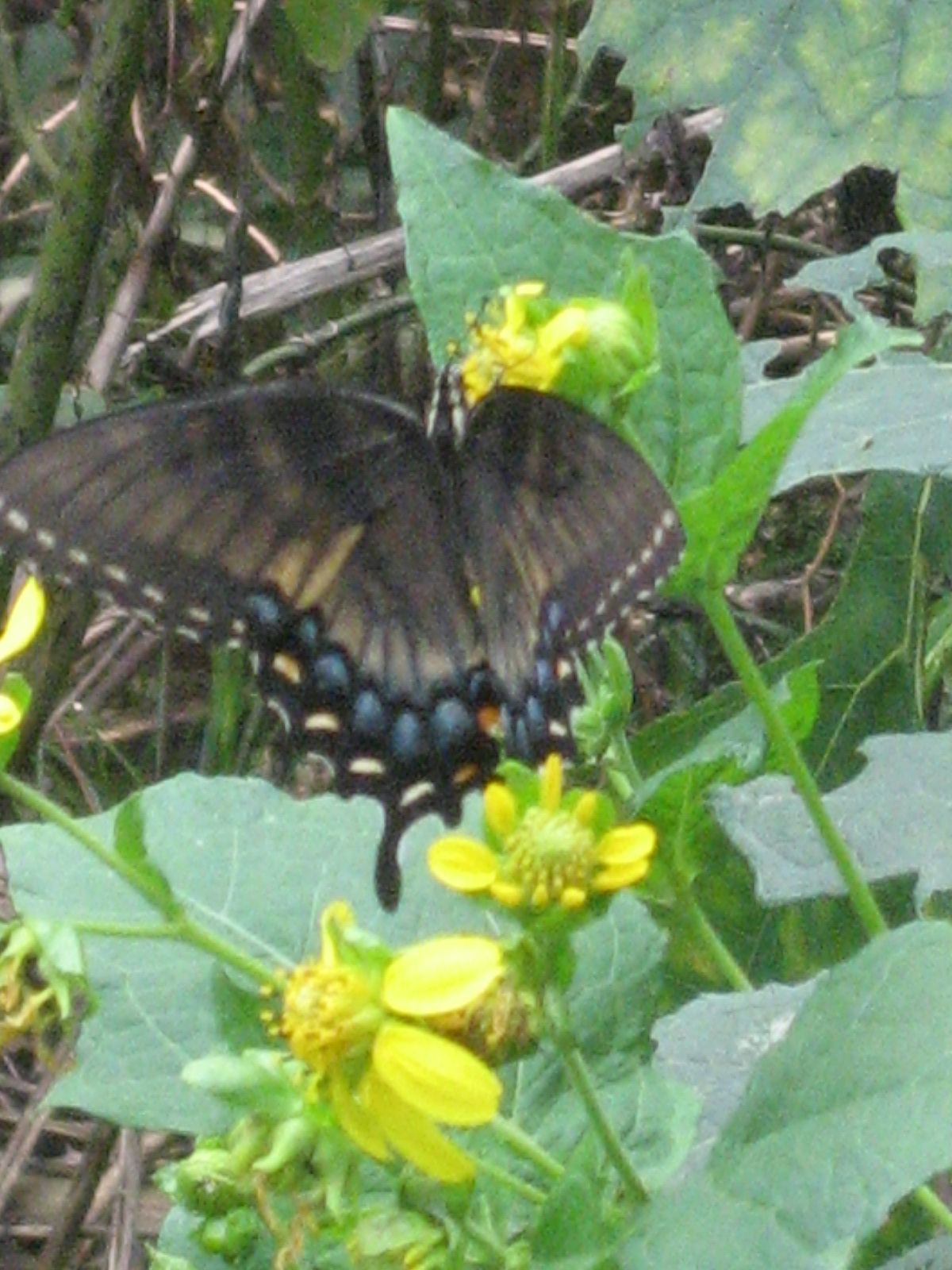
Which kingdom would this organism belong to?
a)
Plantae
b)
Archaebacteria
c)
Protista
d)
Animalia
21.

Which kingdom do humans belong to?
a)
Plantae
b)
Fungi
c)
Animalia
d)
Protista
22.
Organisms that are classified as unicellular are --
a)
seen with the naked eye
b)
many celled organisms
c)
single celled organisms
d)
able to make their own food
23.
Sexual Reproduction requires ______ parents
a)
0
b)
1
c)
2
d)
3
24.

Which word best describes the cell in the picture? (Click text to reveal picture)
a)
Multicelluar
b)
Prokaryotic
c)
Eukaryotic
d)
Abiotic
25.

The scientific name for water bear is Hypsibius dujardini. What is its genus?
a)
Hypsibius
b)
dujardini
c)
water
d)
tardigrade
26.

The scientific name for water bear is Hypsibius dujardini. What is its species?
a)
Hypsibius
b)
dujardini
c)
water
d)
tardigrade
27.
How do scientists organize living things?
a)
by looks
b)
by shared characteristics
c)
by size
d)
by differences
28.
What is the science of organizing, classifying and naming living things.
a)
taxonomy
b)
taxadermy
c)
taxicab
d)
toxicology
29.
In a properly written scientific name, which part is lowercase?
a)
species
b)
genus
30.
In a properly written scientific name, which part is capitalized?
a)
species
b)
genus
Reset

