wayground logo

Free Printable Worksheets

NEW

Font size

S
M
L
XL
Worksheets

Earth Science Test Review

Total questions: 34

Worksheet time: 21mins

Name
Class
Date
1.

When liquid water changes into water vapor it's called what?

a)

condensation

b)

evaporation

c)

precipatation

d)

runoff

2.

Water vapor cooling into a liquid in a cloud is a process called what?

a)

transpiration

b)

precipitation

c)

condensation

d)

evaporation

3.

The transfer of water into the atmosphere through plants is called what?

a)

transpiration

b)

precipitation

c)

flow

d)

infiltration

4.

____________ is any form of water that falls from clouds and reaches Earth's surface

a)

evaporation

b)

precipitation

c)

weathering

d)

deposition

5.

Water that travels along the surface of the earth into a surface reservoir is...

a)

Flow

b)

Infiltration

c)

Runoff

d)

Groundwater

6.

The process of precipitation soaking into the ground is...

a)

Infiltration

b)

Condensation

c)

Flow

d)

Runoff

7.

Water that travels underground towards towards an ocean, lake, or river is going through what process?

a)

Infiltration

b)

Flow

c)

Erosion

d)

Run-off

8.
This type of weathering occurs when rock is physically broken down into smaller pieces of rock.
a)
mechanical weathering
b)
chemical weathering
c)
erosion weathering
d)
deposition
9.
This type of weathering occurs when rocks weaken then break down due to chemical changes in the composition of the rock.
a)
mechanical weathering
b)
chemical weathering
c)
erosion weathering
d)
deposition
10.

The process that breaks down rocks and other materials on Earth's surface is called

a)

weathering

b)

erosion

c)

condensation

d)

decomposition

11.
What is the movement of soil from one place to another?
a)
weathering
b)
deposition
c)
discharge
d)
erosion
12.

The process of moving weathered rock and depositing it in another location is called?

a)

weathering

b)

erosion

c)

deposition

d)

none of the above

13.

Which reservoir contains the most saltwater?

a)

Ocean

b)

Groundwater

c)

Lake

d)

Atmosphere

14.

Which reservoir contains the most freshwater?

a)

River

b)

Lake

c)

Glacier

d)

Other reservoirs

15.

Which of the following would not be considered "other reservoirs"?

a)

Water tower

b)

Groundwater

c)

Puddle

d)

Fish

16.

Layers of sediment forming at the mouth of a river is an example of

a)

Weathering

b)

Erosion

c)

Deposition

d)

Awesome Science

17.

Soil breaking off of a river bank would be considered which process?

a)

weathering

b)

erosion

c)

deposition

d)

none of the above

18.

Rocks can be carried down river by which process?

a)

deposition

b)

erosion

c)

weathering

d)

none of the above

19.

Which of the following factors does not cause weathering and erosion?

a)

wind

b)

water

c)

ice

d)

gravity

20.
Sedimentary rocks are formed by
a)
Cooling of lava or magma
b)
Heat and pressure
c)
Compacting and cementing
21.
Which type of rock results from melting and cooling of magma?
a)
Igneous
b)
Metamorphic
c)
Sedimentary
d)
Extrusive
22.
Which type of rock forms from extreme heat and pressure?
a)
Igneous
b)
Sedimentary
c)
Organic
d)
Metamorphic
23.
A metamorphic rock changes into an igneous rock by what two processes?
a)
Melting and cooling
b)
Extreme heat and pressure
c)
Compaction and cementation
d)
Weathering and erosion
24.

When sediments are pressed together tightly, this is called ____________.

a)

Compaction

b)

Cementation

c)

Weathering

d)

Erosion

25.
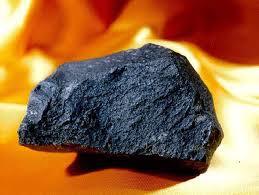
This rock was found near the mouth of a volcano. What type of rock is this?
a)
Sedimentary
b)
Igneous
c)
Metamorphic
26.
What are the 3 major types of rocks?
a)
Igneous, Metamorphic, Sedimentary
b)
Metamorphic, Igneous, Cementation
c)
Brown, Red, Gray
d)
Streak, Hardness, Breakage
27.
This rock started as lava that cooled and then was heated and put under pressure over time. What type of rock is this?
a)
Sedimentar
b)
Igneous
c)
Metamorphic
28.
This rock started as molten magma. What type of rock is this?
a)
Sedimentary
b)
Igneous
c)
Metamorphic
29.
This rock is made from tiny pieces of other rocks that settled to the bottom of a valley millions of years ago. What type of rock is this?
a)
Sedimentary
b)
Igneous
c)
Metamorphic
30.
Fossils are often found in ____________ because it is formed from the remains of once living things.
a)
metamorphic
b)
magma
c)
igneous
d)
sedimentary
31.
The name rock is given when it is broken down into smaller pieces.
a)
texture
b)
weathering
c)
sediment
d)
erosion
32.

Lava the cools into rock on the surface of the Earth usually has which characteristic?

a)

Very hard

b)

Dark color

c)

Very light

d)

Layers

33.

Which type of rock has bands of color, is very hard, and contains crystals?

a)

Sedimentary

b)

Igneous

c)

Metamorphic

34.

Which type of rock is the easiest to weather and erode?

a)

Sedimentary

b)

Igneous

c)

Metamorphic

d)

They all weather and erode the same