
 Worksheets
Review 5/7/18
Total questions: 59
Worksheet time: 45mins
Name
Class
Date
1.
A landmass with an elevation higher than a hill.
a)
Ocean
b)
Gulf
c)
Mountain
d)
Valley
2.
This body of saltwater covers more than 70% of the Earth's surface.
a)
Lake
b)
Gulf
c)
River
d)
Ocean
3.
A deep valley with steep walls that cut into the earth caused by erosion from running water.
a)
Valley
b)
Canyon
c)
Gulf
d)
River
4.

What land form is this?
a)
valley
b)
canyon
c)
mountain
d)
plain
5.
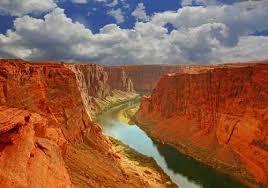
What land form is this?
a)
plain
b)
valley
c)
mountain
d)
canyon
6.

What land form is this?
a)
valley
b)
canyon
c)
plain
d)
mountain
7.
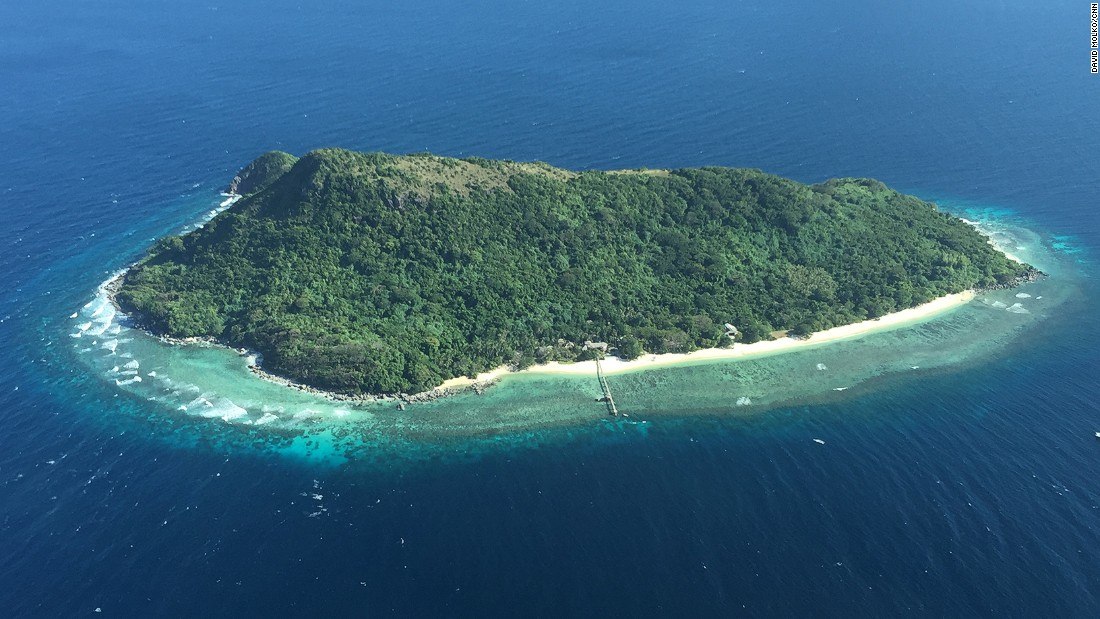
What land form is this?
a)
island
b)
valley
c)
plain
d)
mountain
8.

What land form is this?
a)
valley
b)
plain
c)
volcano
d)
mountain
9.
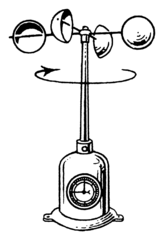
This weather instrument is an...
a)
wind vane
b)
anemometer
c)
barometer
d)
thermometer
10.

This weather instrument is a...
a)
anemometer
b)
barometer
c)
wind vane
d)
thermometer
11.

This weather instrument is a...
a)
rain gauge
b)
U.F.O.
c)
satellite
d)
anemometer
12.

This weather instrument is a...
a)
thermometer
b)
anemometer
c)
rain gauge
d)
barometer
13.

This weather instrument is a...
a)
anemometer
b)
Christmas ornament
c)
wind vane
d)
barometer
14.
The way energy is passed from one organism to another
a)
food chain
b)
energy
c)
extinct
d)
habitat
15.
Which one is NOT an example of a decomposer?
a)
mushroom
b)
leaves
c)
mold
d)
worm
16.
What four things do every organism need for survival?
a)
food, water, dirt, and a hat
b)
protection, water, food, and air
c)
air, sun, dirt, and water
d)
light, electricity, and worms
17.
Example of a consumer
a)
worm
b)
bacteria
c)
mushroom
d)
hawk
18.
Mold is a
a)
producer
b)
consumer
c)
decomposer
19.
A tree is a ....
a)
composer
b)
decomposer
c)
producer
20.

What are plants called in a food chain?
a)
Producers
b)
Consumers
c)
Decomposers
d)
Scavengers
21.

What are animals called in a food chain?
a)
Producers
b)
Consumers
c)
Decomposers
d)
Plants
22.

Where does the energy start in this food chain?
a)
Plant
b)
Sun
c)
Deer
d)
Wolf
23.

What's the role of consumers in a food chain?
a)
Use sunlight to make food
b)
Eat other species and keep them from overpopulating
c)
Break down dead stuff
d)
Add nutrients to the soil
24.
What is the name of the organism at the beginning of every food chain?
a)
producers
b)
consumers
c)
herbivores
d)
carnivores
25.

What is this called?
a)
Food Web
b)
Food Chain
c)
Abiotic Factors
26.

Which of these organisms would receive energy from the snake?
a)
Plant
b)
Rabbit
c)
Mouse
d)
Hawk
27.
An animal can blend in with its surrounding by using __________________
a)
migration
b)
camouflage
c)
hibernation
d)
prey
28.
What is mimicry
a)
Taking the background and copy it
b)
coping another animal or thing to survive
29.
What subject is attracted to a magnet?
a)
Silver
b)
Water
c)
Metal
d)
Iron
30.
What happens when two north poles of a magnet are placed together?
a)
they repel
b)
they attract
c)
they cancel each other out
d)
the strength of the magnet is doubled
31.
A north pole and a south pole will attract.
a)
True
b)
False
32.
Where is the force of attraction the strongest on a magnet?
a)
at the poles
b)
in the middle
c)
above the magnet
d)
below the magnet
33.
True or False:
Most rocks are magnetic.
Most rocks are magnetic.
a)
True
b)
False
34.
True or False:
Most rocks are magnetic.
Most rocks are magnetic.
a)
True
b)
False
35.
Which poles are attracted?
a)
north and north
b)
south and south
c)
north and south
36.
Which poles repel?
a)
north and south
b)
south and north
c)
south and south
37.

The moon is a natural ______ of Earth.
a)
comet
b)
axis
c)
satellite
d)
space probe
38.

The __________ has planets, moons, comets, and asteroids.
a)
solar system
b)
earth
c)
rotation
d)
United States
39.
Which is the largest object in our solar system?
a)
Sun
b)
Jupiter
c)
Earth
d)
Pluto
40.
Which planet is closest to the sun?
a)
Uranus
b)
Mercury
c)
Neptune
d)
Earth
41.
Which is the second closest planet to the sun?
a)
Earth
b)
Saturn
c)
Venus
d)
Mercury
42.
The remains of living things that died long ago are often found in what type of rock?
a)
igneous rocks
b)
sedimentary rock
c)
metamorphic rock
d)
all rocks
43.

The cooled and hardened magma from volcanoes form what rocks?
a)
igneous
b)
sedimentary
c)
metamorphic
d)
fossils
44.
What are the 3 major types of rocks?
a)
Igneous, Metamorphic, Sedimentary
b)
Metamorphic, Igneous, Cementation
c)
Brown, Red, Gray
d)
Streak, Hardness, Breakage
45.
What type of rock forms due to heat and pressure?
a)
Sedimentary
b)
Igneous
c)
Metamorphic
d)
Oceanic
46.
What type of rock forms when lava cools?
a)
Igneous
b)
Metamorphic
c)
Sedimentary
d)
Magma
47.
What type of rock contains fossils?
a)
Metamorphic
b)
Igneous
c)
Sedimentary
d)
Lava and Magma
48.
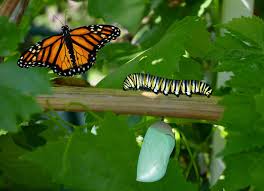
A caterpillar changes into what?
a)
chrysalis
b)
cocoon
c)
butterlfy
d)
frog
49.
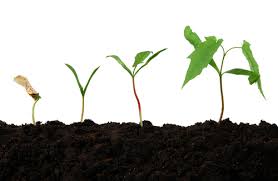
What is the name of a baby tree?
a)
seedling
b)
string
c)
twig
d)
acorn
50.
What is a life cycle?
a)
process of changing from one form to another
b)
changes an animal goes through during its life
c)
larva spins this covering out of silk or grows hard shells
51.
What is the first stage of a plant life cycle?
a)
Seedling
b)
Adult Plant
c)
Adult Plant with Flowers
d)
Seed
52.

What life cycle?
a)
bird
b)
horse
c)
lizard
d)
frog
53.
The first stage in the life cycle of most animals is the _.
a)
nymph
b)
embryo
c)
larva
d)
egg
54.

Who is the predator in this image?
a)
The Owl
b)
The mouse
c)
The Snow
d)
The wind
55.
An organism that is killed and eaten by another organism
a)
Predator
b)
Prey
c)
Competition
d)
Adaptation
56.
The organism that does the killing in a predation interaction
a)
Predator
b)
Prey
c)
Competition
d)
Adaptation
57.
The struggle between organisms to survive as they attempt to use the same resource
a)
Predator
b)
Prey
c)
Competition
d)
Adaptation
58.
A behavior or physical characteristic that allows an organism to survive
a)
Niche
b)
Prey
c)
Competition
d)
Adaptation
59.
Camouflage is an example of an ______________________ that a prey might have to survive.
a)
Niche
b)
Prey
c)
Competition
d)
Adaptation
100 %

