
 Worksheets
Classification and Taxonomy
Total questions: 27
Worksheet time: 24mins
Name
Class
Date
1.
The scientific name for an organism is made from the:
a)
class and family name
b)
genus and species name
c)
domain and kingdom name
d)
kingdom and phylum name
2.
Term given to describe the 2 name naming system is:
a)
dichotmous key
b)
binomial nomenclature
c)
2 scientific names
d)
binomial key
3.
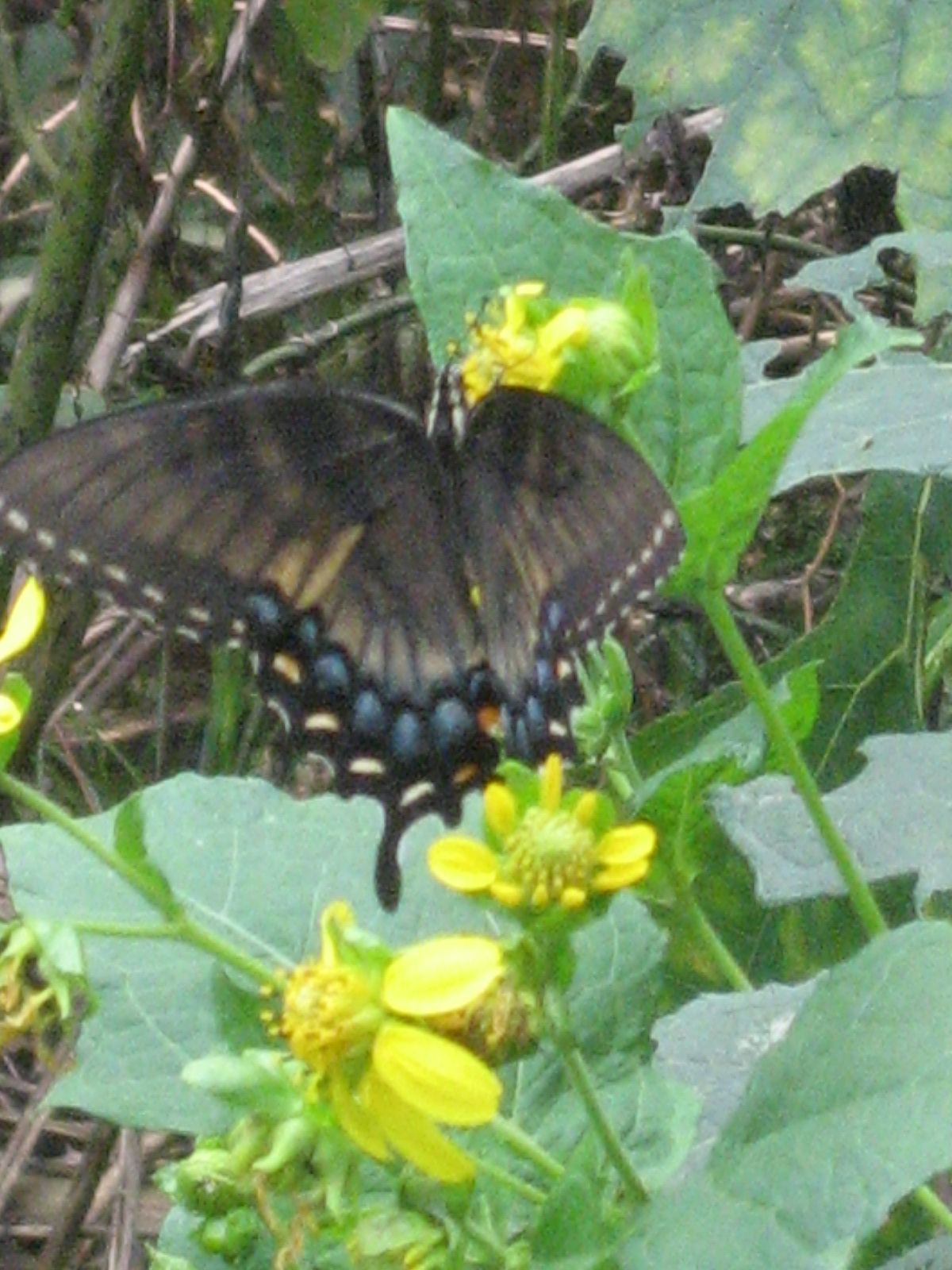
The 8 levels of classification, most broad to most specific.
a)
Domain, Genus, Family, Order, Class, Phylum, Kingdom, Species
b)
Domain, Species, Kingdom, Genus, Phylum, Family, Class, Order
c)
Domain, Kingdom, Phylum, Class, Order, Family, Genus, Species
d)
Order, Kingdom, Species, Domain, Phylum, Family, Class, Genus
4.

An illustration and a dichotomous key are given. What is the correct classification for this organism?
a)
Class Insecta
b)
Order Amblygygi
c)
Order Araneae
d)
Order Scorpiones
5.

A dichotomous key for trees is provided. Hikers found a tree that has large brown cones and single sharp needles. What species of tree have the hikers found?
a)
Juniper
b)
Pine
c)
Spruce
d)
Fir
6.
Which of the following organisms are MOST closely related?
a)
organisms that share a domain
b)
organisms that share a family
c)
organisms that share a genus
d)
organisms that share an order
7.
What is the most specific level of classification?
a)
Family
b)
Domain
c)
Species
d)
Carolus Linnaeus
8.

Which domain is capable of living in extreme environments like hot springs, geysers, or very salty waters?
a)
Bacteria
b)
Archaea
c)
Eukarya
9.

Which domain includes all animals and plants?
a)
Archaea
b)
Eukarya
c)
Bacteria
10.

Which two kingdoms are entirely multicellular?
a)
Animalia and Plantae
b)
Animalia and Protista
c)
Protista and Plantae
11.
Which kingdoms have some organisms that can make their own food (autotrophic)?
a)
Plantae and Animalia
b)
Fungi and Plantae
c)
Protista and Plantae
12.
Organisms whose cells have NO nucleus are classified as...
a)
Eukaryotic
b)
Prokaryotic
c)
Dead
13.
What is the genus name here:
Canis lupus
Canis lupus
a)
Canis
b)
lupus
14.
What are the three domains?
a)
Green, Blue, Red
b)
Autotrophic, Heterotrophic, Both
c)
Archea, Eukarya, Bacteria
d)
Marine Organism, Land Organism, or Both
15.
All organisms that do not fit into plant, fungi, and animal kingdoms but have a nucleus are:
a)
archaebacteria
b)
eubacteria
c)
protists
d)
fungus
16.
Eubacteria...
a)
are eukaryotic
b)
live in normal conditions
c)
live in harsh conditions
d)
are multicellular
17.
What kingdom is always multicellular, heterotrophic and has NO cell wall?
a)
Protista
b)
Fungi
c)
Plantae
d)
Animalia
18.
All of the following have a nucleus except...
a)
Bacteria
b)
Animalia
c)
Plantae
d)
Protista
19.
Which kingdom is autotrophic AND has a cell wall?
a)
Bacteria
b)
Fungi
c)
Plantae
d)
Protista
20.
What is the difference between Archaebacteria and Eubacteria?
a)
Bacteria is eukaryotic
b)
Archaebacteria is multicellular
c)
Archaebacteria can live in extreme environments
d)
They are the same
21.
In which kingdom contains organisms that are unicellular, autotrophic, and eukaryotic?
a)
Archaebacteria
b)
Protista
c)
Animalia
d)
Plantae
22.

This domain is characterized by ancient bacteria that can live in extreme/harsh environments, such as hot springs.
a)
Archaea
b)
Bacteria
c)
Eukarya
d)
Prokarya
23.
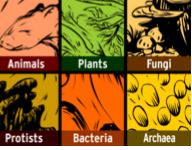
Which kingdoms are prokaryotic?
a)
Archaebacteria and Animalia
b)
Eubacteria and Archaebacteria
c)
Fungi and Protista
d)
Plantae and Eubacteria
24.

The scientific name for water bear is Hypsibius dujardini. What is its genus?
a)
Hypsibius
b)
dujardini
c)
water
d)
tardigrade
25.
Who organized living things by creating binomial nomenclature?
a)
Carolus Linnaeus
b)
Robert Hooke
c)
Anton van Leeuwenhoek
d)
James Watson
26.
What is the science of organizing, classifying and naming living things.
a)
taxonomy
b)
taxadermy
c)
taxicab
d)
toxicology
27.
If two species share the same class, they also share the same______.
a)
phylum
b)
order
c)
genus
d)
species
100 %

