
 Worksheets
Domains: Cells and Organelles Review
Total questions: 25
Worksheet time: 25mins
A type of cell that can exist in a broad range of environmental conditions, can rapidly multiply, and lacks a nucleus is known as what type of cell?
animal
eukaryotic
plant
prokaryotic
Athletes are often concerned with the question of how much protein they need in their diets because of the requirement of growing muscles for protein. Just as muscles need the basic building block of
protein, protein itself has basic building blocks also. Which of the following are the basic building blocks of protein?
nitrates
amino acids
monosaccharides
nucleotides
This structure digests worn out cell parts
Golgi Apparatus
This structure transports proteins and other substances though out the cell.
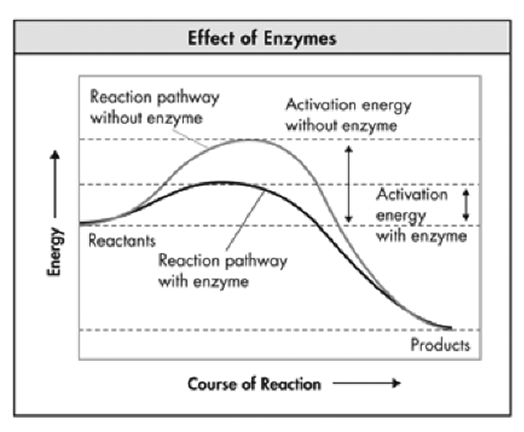
Enzymes are an example of
Lipids
Carbohydrate
Protein
Nucleic Acid
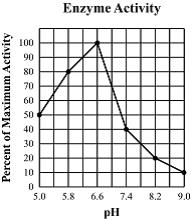
A person with swollen gums rinses his mouth with warm salt water, and the swelling decreases. Which has occurred? (SB1d)
The swollen gums have absorbed the saltwater solution.
The saltwater solution lowers the temperature of the water in the gums.
The salt in the solution has moved against the concentration gradient.
The water in the gums has moved from a high to a low concentration of water.
When a raw, shell-less egg was placed in sugar solution, the egg shrank. The egg was brought back to its original size by placing it in water. Which process does the experiment demonstrate? (SB1d)
osmosis
diffusion
dehydration
reverse osmosis
Dense Denise is an emergency room nurse at Hopeless Hospital. She notices that the hospital is running short on blood, so she decides to dilute the blood with water to make it last longer. Later, Dr. Dingo, the attending physician gets ready to give a patient a transplant. As a precaution, he puts a sample under the microscope, sees this image. He immediately begins angrily barking at Denise. What happened to the blood cells? (SB1d)
The blood cells burst because they were placed in water, a hypotonic solution.
The blood cells burst because they were placed in water, an isotonic solution.
The blood cells burst because they were placed in water, a hypertonic solution.
Denise did not dilute the blood enough, causing the cell walls to collapse onto the blood cells and make them burst.
Which of the following statements accurately describes the difference between the way bacteria cause disease and the way that viruses cause disease?
Both bacteria and viruses use host cells to reproduce, but viruses kill the host cell immediately, while bacteria maintain life within the host cell indefinitely.
Bacteria only cause disease by entering the body through the bloodstream and infecting a host cell, and viruses only cause disease by entering the body through air passages and infecting a hos cell.
Bacteria cause disease by incorporating their DNA into the host's DNA, and viruses cause disease by incorporating their RNA in the host's RNA.
Bacteria are living cells that grow and reproduce in the body and produce toxins or damage tissues they grow in. Viruses use host cells to reproduce, and these host cells usually die when newly produced virus particles are released.
When a virus infects a bacterium, what does the virus inject into the cell? (SB4c)
viral nucleic acid
capsid proteins
hormones
tail fibers
Which of the following statements best explains why the chestnut-sided warbler, Dendroica pensylvanica, and the cerulean warbler, Dendroica cerulean, are classified as closely related species? (SB6b)
They eat the same types of insects.
They have similar DNA sequences.
They show similarities in their nesting behaviors.
They live in the same types of woodland habitats.
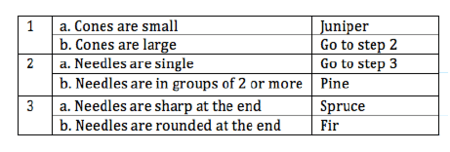
The organism has the following characteristics: (SB4a)
· It is multicellular
· Its cell lack cell walls
· It is motile
· It is heterotrophic
Based on this information, to which kingdom does the organism belong?
Animalia
Eubacteria
Fungi
Plantae
Cannot make its own food
Multicellular
Nucleus present in cells
Cell wall made of chitin
Which kingdom?
Plantae
Fungi
Animalia
Eubacteria

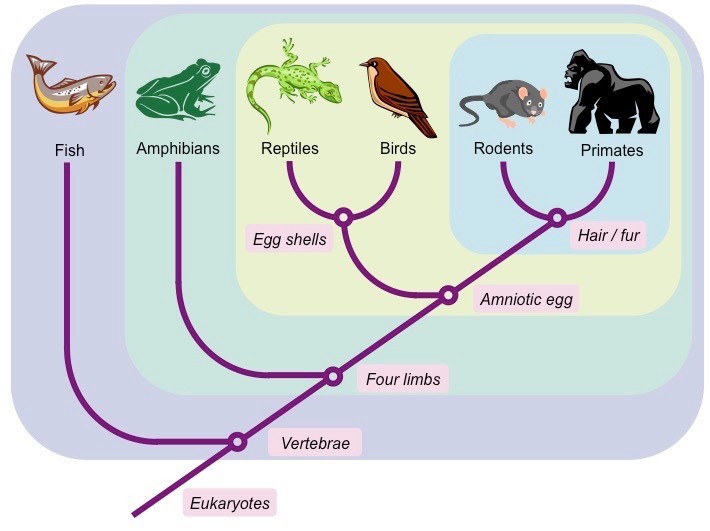
What characteristic distinguishes amphibians from birds and reptiles?
Amniotic egg
Egg shells
Vertebrae
Hair/fur

The diagram shows a summary of photosynthesis. What substances do each of the letters represent? (SB1e)
W is O 2 ; X is H 2 O; Y is CO 2 ; and Z is glucose.
W is H 2 O; X is O 2 ; Y is CO 2 ; and Z is glucose.
W is H 2 O; X is O 2 ; Y is glucose; and Z is CO 2 .
W is CO 2 ; X is O 2 ; Y is H 2 O; and Z is glucose.
How can photosynthesis be related to cellular respiration? (SB1e.)
the reactants for one are the products for the other
they have the same reactants
they have the same products
they have nothing in common
What is the correct sequence of events for cellular respiration? (SB1e.)
Krebs cycle →glycolysis→ electron transport
electron transport → Calvin cycle→ glycolysis
glycolysis→ electron transport→ Krebs cycle
glycolysis →Krebs cycle→ electron transport
Which macromolecule stores energy, insulates us, and makes up the cell membrane (SB1c)?
lipids
proteins
carbohydrates
nucleic acids

