
NEW
Font size
S
M
L
XL
 Worksheets
Animal Bodies
Total questions: 25
Worksheet time: 16mins
Name
Class
Date
1.
What occurs when the body can’t be divided into similar sections (mirror images)?
a)
asymmetry
b)
symmetry
c)
segmented
d)
unsegmented
2.
What is the back or upper surface of the animal called?
a)
Dorsal
b)
Ventral
c)
Anterior
d)
Posterior
3.
What is the belly or lower surface of animal called?
a)
Dorsal
b)
Ventral
c)
Anterior
d)
Posterior
4.
What is the head or front end of animal called?
a)
Dorsal
b)
Ventral
c)
Anterior
d)
Posterior
5.
What is the tail or hind end opposite the head of animal called?
a)
Dorsal
b)
Ventral
c)
Anterior
d)
Posterior
6.
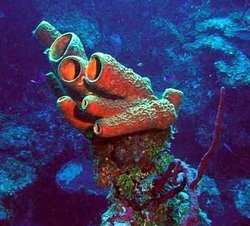
What type of symmetry does this animal exhibit?
a)
Asymmetry
b)
Bilateral symmetry
c)
Radial symmetry
7.
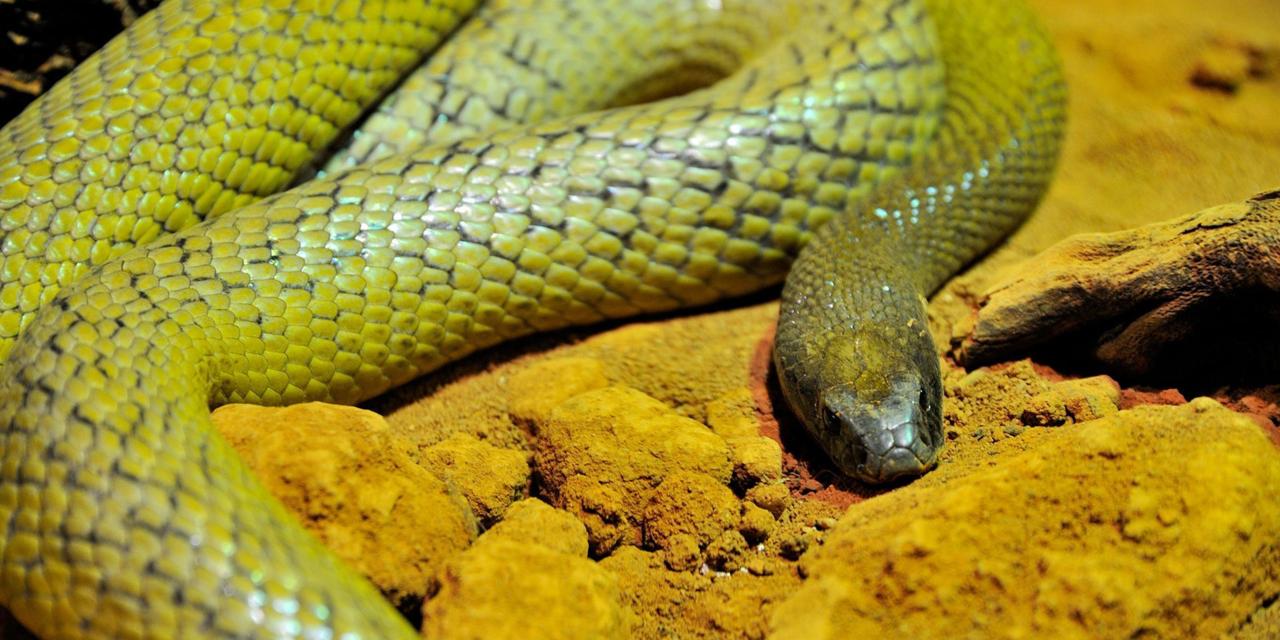
What type of symmetry does this animal exhibit?
a)
Asymmetry
b)
Bilateral symmetry
c)
Radial Symmetry
8.
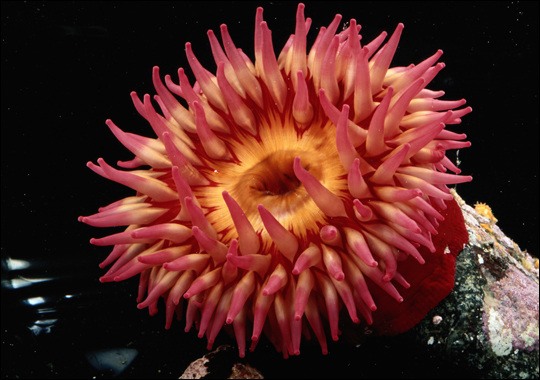
What type of symmetry does this animal exhibit?
a)
Asymmetry
b)
Bilateral symmetry
c)
Radial symmetry
9.
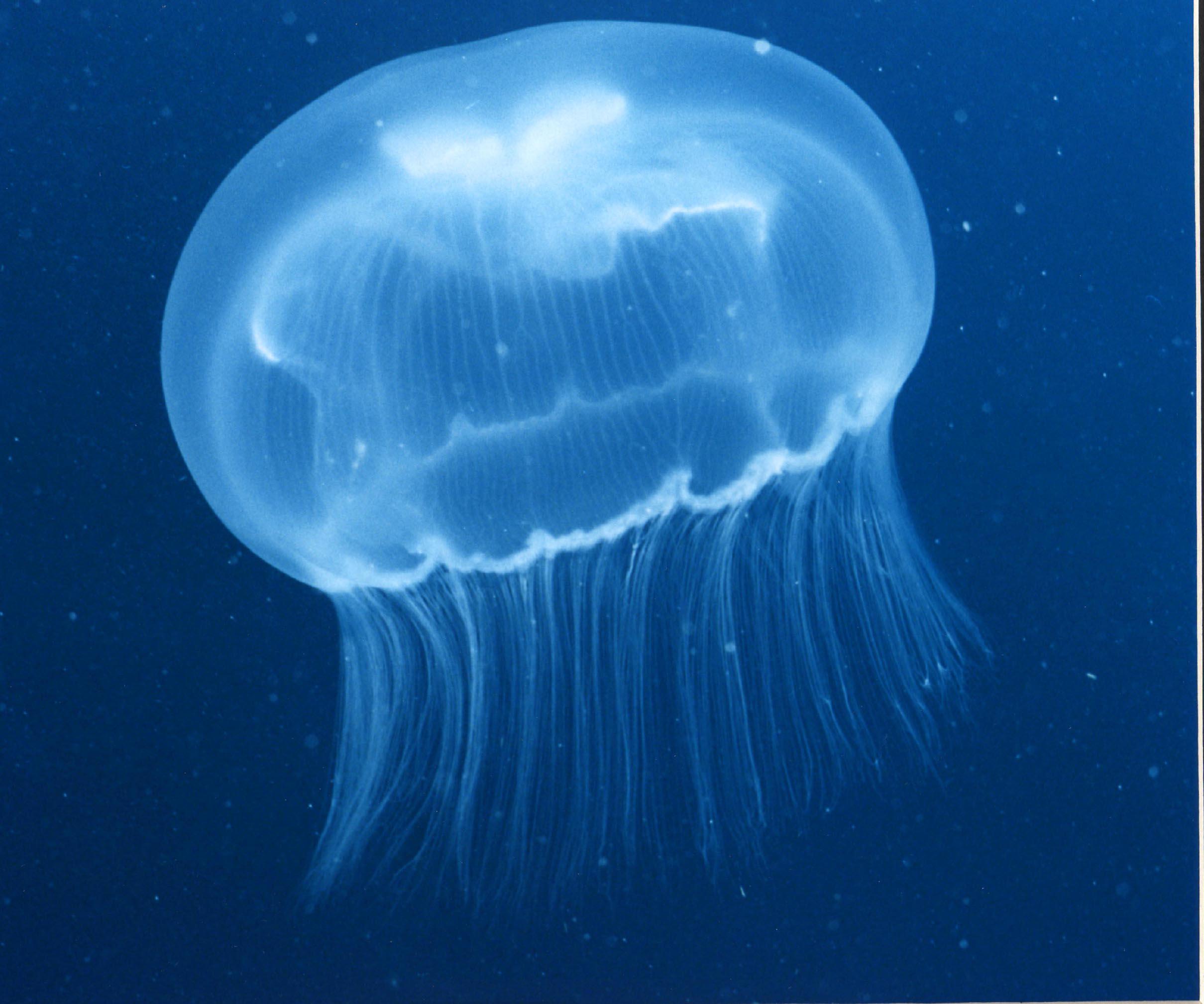
What type of symmetry does this animal exhibit?
a)
Asymmetry
b)
Bilateral symmetry
c)
Radial symmetry
10.
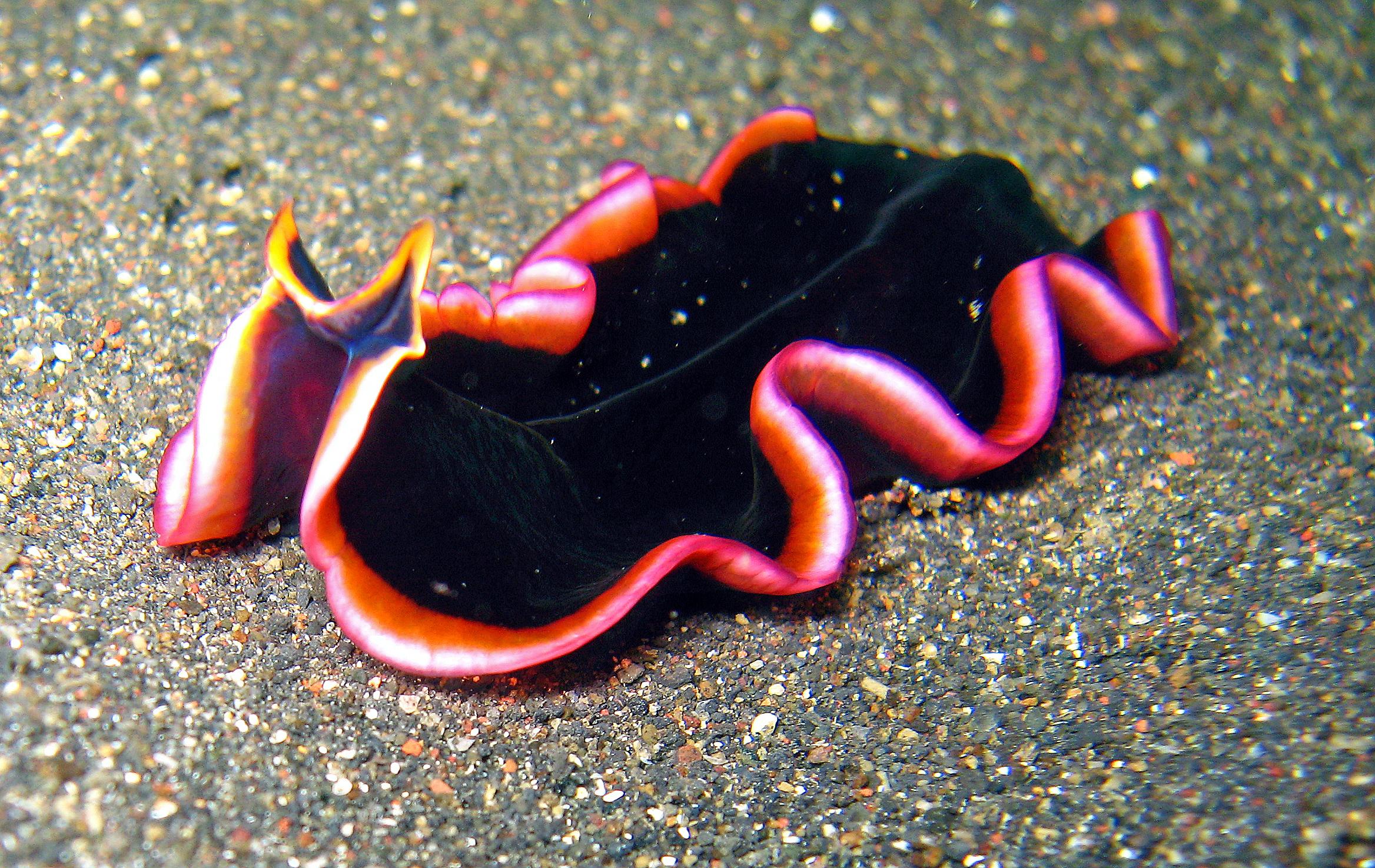
What type of symmetry does this animal exhibit?
a)
Asymmetry
b)
Bilateral symmetry
c)
Radial symmetry
11.
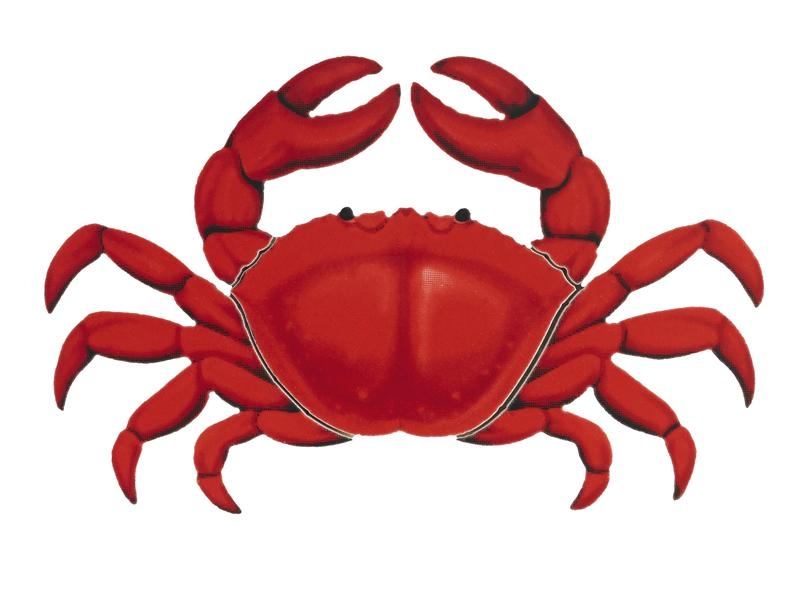
What type of symmetry does this animal exhibit?
a)
Asymmetry
b)
Bilateral symmetry
c)
Radial symmetry
12.
What is the purpose of the coelom?
a)
To act as an exoskeleton
b)
To aid in regurgitation
c)
To assist in reproduction
d)
To protect the internal organs
13.
All animals except sponges exhibit which of the following?
a)
heterotrophy, cephalization, and sexual reproduction
b)
mobility, symmetry, diploidy
c)
blastula formation, tissues, symmetry
d)
tissues, cell walls, heterotrophy
14.
What is cephalization?
a)
body parts arranged around a central axis
b)
sensory structures and nerves concentrated at the body's anterior
c)
a term used to describe an animals shape
d)
when the body has distinct left and right halves
15.
All animals
a)
are single celled organisms
b)
are multicelled organisms
c)
have cell walls
d)
have backbones
16.
All animals are either
a)
single celled or multicelled
b)
radially symmetrical or bilaterally symetrical
c)
have backbones or notochords
d)
vertebrates or invertebrates
17.
A body cavity that contains internal organs
a)
open circulatory system
b)
intestines
c)
coelom
18.
In embryonic development, the Endoderm forms into.
a)
Skin and Nervous system
b)
Muscles
c)
Digestive tract
d)
Teeth
19.
In embryonic development, the Mesoderm forms into.
a)
Skin and Nervous System
b)
Muscles
c)
Digestive Tract
d)
Teeth
20.
In embryonic development, the Ectoderm forms into.
a)
Skin and Nervous System
b)
Muscles
c)
Digestive tract
d)
Teeth
21.
This animal is an example of segmentation
a)
Human
b)
Sponge
c)
Flatworm
22.
The zygote divides to form a hallow ball of cells called the
a)
Zygote
b)
Fetus
c)
Blastula
d)
Gastrulation
23.
When the blastopore develops into a mouth
a)
Protostomes
b)
Deuterstomes
c)
Gastrulation
d)
Coelom
24.
When the blastopore develops into a anus
a)
Protostomes
b)
Deuterostomes
c)
Gastrulation
d)
Coelom
25.

A prominent feature in this animal's body plan is
a)
Deuterostomic Development
b)
Radial Symmetry
c)
Segmentation
d)
Vertebrae
Reset

