
 Worksheets
LMS 8th Grade Science Homework #4
Total questions: 20
Worksheet time: 31mins
Name
Class
Date
1.

Volume is:
a)
The amount of space an object takes up.
b)
The amount of matter in an object.
c)
The amount of matter in a given volume.
d)
The amount of mass in an object.
2.
A scientist has four different liquids and pours them all into a bottle. The silver liquid sinks to the bottom, the red liquid settles on top of the silver one, and the pink liquid stays at the surface. Which liquid has the smallest density?
a)
the pink liquid
b)
the silver liquid
c)
the red liquid
d)
the water
3.
Helium balloons rise on earth because
a)
helium is less dense than air
b)
helium is more dense than air
c)
helium is cooler than air
d)
helium is warmer than air
4.

Remember to use your Periodic Table of Elements to help you identify which Bohr Model is pictured...
a)
carbon
b)
nickel
c)
neon
d)
zinc
5.

Remember to use your Periodic Table of Elements to help you identify which Bohr Model is pictured...
a)
calcium
b)
sulfur
c)
aluminum
d)
boron
6.

Remember to use your Periodic Table of Elements to help you identify which Bohr Model is pictured...
a)
lithium
b)
potassium
c)
bromine
d)
iron
7.
An electron that resides in the outermost shell, or principal quantum level, of an atom
a)
periodic trend
b)
electron shell
c)
ionic radius
d)
valence electron
8.
Which of the following will have a larger radius than Zinc?
a)
Gallium
b)
Aluminum
c)
Magnesium
d)
Strontium
9.
As you move down the periodic table atoms get bigger. This is because ____________.
a)
The atoms have more mass.
b)
The atoms have more protons.
c)
The atoms have more energy levels
d)
The atoms have more nuetrons
10.
Which of the following is NOT a characteristic of most metals?
a)
Brittle
b)
Good conductor
c)
Ductile
d)
Malleable
11.
Where are the non-metallic elements found in the periodic table?
a)
In the middle
b)
In the top rows
c)
On the left-hand side
d)
On the right-hand side
12.
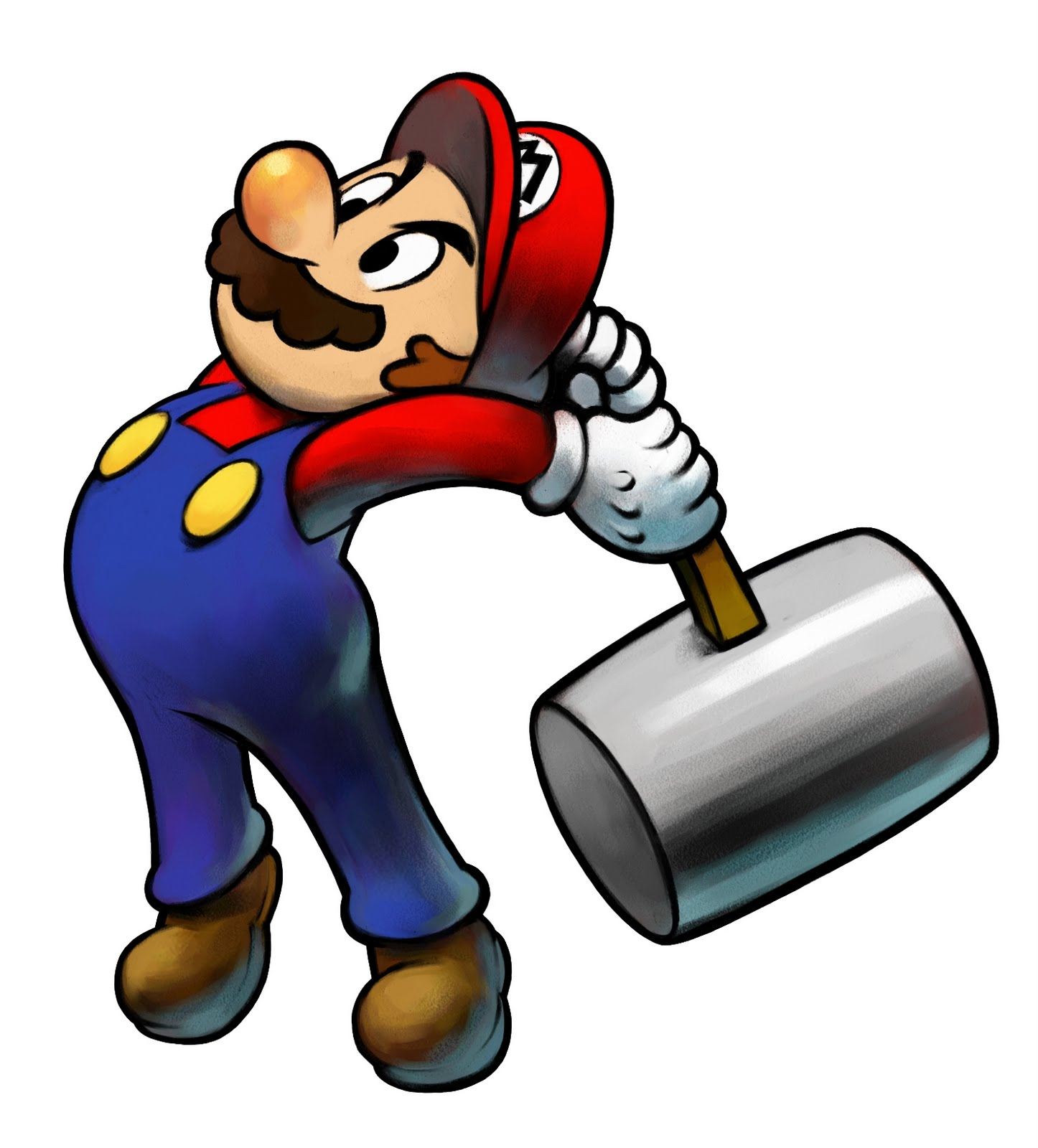
When an object changes shape when struck by a hammer.
a)
luster
b)
malleable
c)
brittleness
d)
ductile
13.
Silicon is a semiconductor and has properties of both metals and nonmetals. What type of element is Silicon?
a)
Metal
b)
Nonmetal
c)
Metalloid
d)
Pretty
14.
What determines an element's identity?
a)
electrons
b)
valence electrons
c)
protons
d)
neutrons
15.
Organisms who receive their energy by consuming other organisms.
a)
Chloroplast
b)
Heterotroph
c)
Autotroph
d)
Phototropism
16.
The organelle inside a plant cell that converts sunlight into energy.
a)
Chloroplast
b)
Photosynthesis
c)
Parasite
d)
Cell Wall
17.
The term used to define a cell that has a nucleus containing DNA.
a)
Prokaryote
b)
Eukaryote
c)
Autotroph
d)
Homeostasis
18.
A cell without a nucleus.
a)
Eukaryotic
b)
Prokaryotic
c)
Heterotroph
19.
Behavior patterns, or internal and external structures which allow an organism to survive and reproduce in their environment successfully.
a)
Adaptations
b)
Homeostasis
c)
Recessive traits
d)
Natural Selection
20.

Mass is
a)
The amount of matter in an object.
b)
The amount of matter in a given volume.
c)
The amount of space an object takes up.
d)
The length of an object.
100 %

