wayground logo

Free Printable Worksheets

NEW

Font size

S
M
L
XL
Worksheets

Copyright and Creative Commons

Total questions: 25

Worksheet time: 13mins

Name
Class
Date
1.
A law that protects your control over the creative work you make so that people must get your permission before they copy, share, or perform your work
a)
Creative Commons
b)
Copyright
c)
Creative Work
d)
Fair Use
2.

Which creative works are NOT protected by copyright?

a)

slogans, motion pictures

b)

musical, pictorial, dramatic works

c)

sound recordings

d)

ideas, slogans, names, short phrases

3.

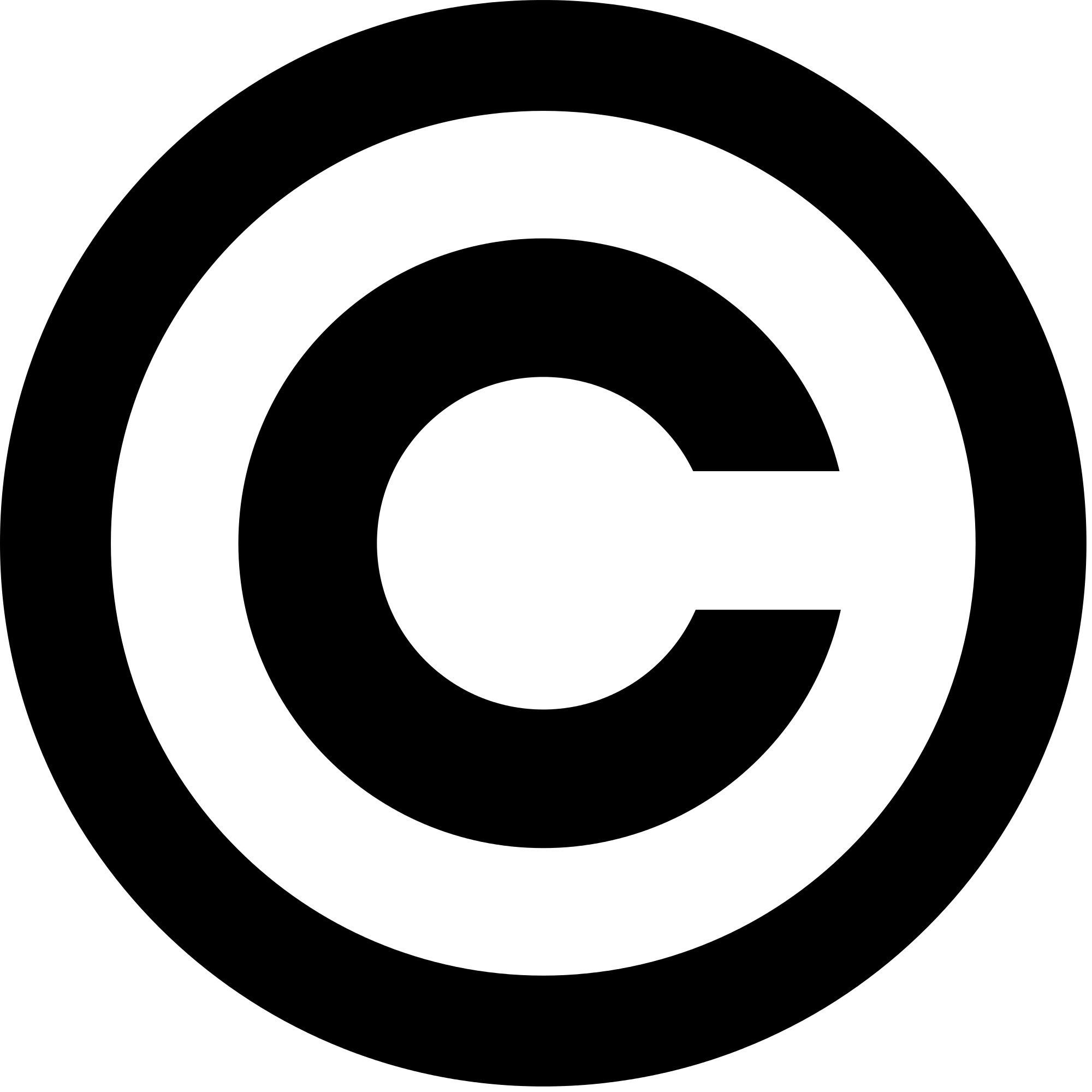
What does this icon stand for?

a)

Copyright

b)

Credits

c)

Closed

d)

Creative Commons

4.
What is Fair Use?
a)
The ways you can use creative works without permission
b)
The ways you can use creative works with permission
c)
Using a resource any time, any way you want
d)
The right to download anything from the Internet
5.
The ability to use a small amount of copyrighted work without permission, but only in certain ways and in specific situations
a)
Creative Commons
b)
Fair Use
c)
Creative Work
d)
Copyright
6.
What does​ "public domain"​ mean?
a)
You have to get permission from a public agency to use the copyrighted work.
b)
The copyright has expired or been​ relinquished; you can use it freely and without permission.
c)
You can only use the work for a free public event.
7.

What does this symbol represent?

a)

Copyright

b)

Cookies & Cream

c)

Creative Commons

d)

Closed Captioning

8.
If you want to give others the right to use, share and even build on your work, you would publish the work under what kind of license?
a)
Copyright
b)
Public Domain
c)
Creative Commons
d)
Trademark
9.
A teacher rents Gone With the Wind to show the burning of Atlanta scene to her class while studying the civil war. This is fair use.
a)
True
b)
False
10.
A student is writing a report for science class and uses copyright images downloaded from the Internet and cited correctly. He submits his project to a competition that recognizes classroom work for students and wins a prize for the school. This is covered under fair use.
a)
True
b)
False
11.

Copying, "lifting", or making slight changes to some or all of someone else's work and saying you created it

a)

Piracy

b)

Plagiarism

c)

Public Domain

d)

Fair Use

12.
Why is it a good idea to get the author's permission to use a creative work?
a)
Fair use law changes significantly every year
b)
Fair use law affects kids more than adults
c)
Fair use law isn't written down
d)
Fair use law is open to interpretation
13.

When does copyright take effect?

a)

When you file the paperwork with the government

b)

as soon as you come up with the idea

c)

as soon as the idea is in a tangible form (on paper or documented)

d)

as soon as you tell someone about your idea

14.

How much of a song can you use? (without permission, according to fair use guidelines)

a)

2 minutes or 5%, whichever is more

b)

30 seconds or 10%, whichever is less

c)

5 minutes or 5%, whichever is more

d)

10 seconds or 10%, whichever is less

15.

How much of a movie or video can you use? (without permission, according to fair use guidelines)

a)

30 seconds or 10%, whichever is less

b)

2 minutes or 5%, whichever is more

c)

5 minutes or 5%, whichever is more

d)

3 minutes or 10%, whichever is less

16.
Which Creative Commons condition does this symbol represent?
a)
Attibution
b)
NonCommercial
c)
NoDerivatives
d)
ShareAlike
17.
Which Creative Commons condition does this symbol represent?
a)
Attibution
b)
NonCommercial
c)
NoDerivatives
d)
ShareAlike
18.
Which Creative Commons condition does this symbol represent?
a)
Attibution
b)
NonCommercial
c)
NoDerivatives
d)
ShareAlike
19.
Which Creative Commons condition does this symbol represent?
a)
Attibution
b)
NonCommercial
c)
NoDerivatives
d)
ShareAlike
20.
What are the terms of the NonCommercial condition in Creative Commons?
a)
You must give credit to the creator by citing the work.
b)
You may not use the work to make money.
c)
You cannot make any changes to the work.
d)
If you modify a work, you must share your creation on the same terms.
21.
What are the terms of the ShareAlike condition in Creative Commons?
a)
You must give credit to the creator by citing the work.
b)
You may not use the work to make money.
c)
You cannot make any changes to the work.
d)
If you modify a work, you must share your creation on the same terms.
22.
What are the terms of the Attribution condition in Creative Commons?
a)
You must give credit to the creator by citing the work.
b)
You may not use the work to make money.
c)
You cannot make any changes to the work.
d)
If you modify a work, you must share your creation on the same terms.
23.
What are the terms of the NoDerivatives condition in Creative Commons?
a)
You must give credit to the creator by citing the work.
b)
You may not use the work to make money.
c)
You cannot make any changes to the work.
d)
If you modify a work, you must share your creation on the same terms.
24.

If you are using a photo with the Share Alike license, what do you need to do?

a)

Don't worry about providing the credit to the originator.

b)

You can't make money. You can't sell it.

c)

No changes. It must stay equal to the original work.

d)

Must use the same Creative Commons License.

25.

What License does this have?

a)

Attribution-Share Alike License

b)

Attribution-No Derivative Works License

c)

Attribution-Non Commercial-Share Alike License

d)

Attribution-Non commercial-No Derivative Works License