wayground logo

Free Printable Worksheets

Font size

S
M
L
XL
Worksheets

Anatomy - 1st 9 Weeks Review

Total questions: 259

Worksheet time: 3hrs 23mins

Name
Class
Date
1.
Anterior body trunk inferior to ribs
a)
Cervical
b)
Abdominal
c)
Coxal
d)
Acromial
2.
Point of shoulder
a)
Acromial
b)
Crural
c)
Scapular
d)
Axillary
3.
Forearm
a)
Antecubital
b)
Brachial
c)
Antebrachial
d)
Carpal
4.
Anterior surface of elbow
a)
Sternal
b)
Sural
c)
Antecubital
d)
Coxal
5.
Armpit
a)
Occipital
b)
Umbilical
c)
Patellar
d)
Axillary
6.
Arm
a)
Brachial
b)
Antebrachial
c)
Mental
d)
Frontal
7.
Curve of shoulder formed by large muscle
a)
Inguinal
b)
Digital
c)
Deltoid
d)
Cephalic
8.
Fingers and toes
a)
Crural
b)
Carpal
c)
Tarsal
d)
Digital
9.
Thigh
a)
Femoral
b)
Crural
c)
Sural
d)
Coxal
10.
Lateral part of leg
a)
Sural
b)
Crural
c)
Femoral
d)
Fibular
11.
Forehead
a)
Thoracic
b)
Sternal
c)
Mental
d)
Frontal
12.
Area where thigh meets body trunk, groin
a)
Fibular
b)
Femoral
c)
Inguinal
d)
Coxal
13.
Chin
a)
Mental
b)
Nasal
c)
Oral
d)
Orbital
14.
Nose area
a)
Mental
b)
Sural
c)
Nasal
d)
Orbital
15.
Eye area
a)
Oral
b)
Mental
c)
Tarsal
d)
Orbital
16.
Anterior knee
a)
Pubic
b)
Pelvic
c)
Patellar
d)
Frontal
17.
Area overlying the pelvis anteriorly
a)
Inguinal
b)
Pubic
c)
Pelvic
d)
Umbilical
18.
Genital region
a)
Pelvic
b)
Pubic
c)
Inguinal
d)
Sural
19.
Breastbone area
a)
Umbilical
b)
Abdominal
c)
Acromial
d)
Sternal
20.
Ankle region
a)
Carpal
b)
Tarsal
c)
Digital
d)
Sural
21.
Cheek area
a)
Mental
b)
Sural
c)
Buccal
d)
Oral
22.
Wrist
a)
Tarsal
b)
Carpal
c)
Antecubital
d)
Antebrachial
23.
Neck region
a)
Sacral
b)
Thoracic
c)
Cervical
d)
Lumbar
24.
Hip
a)
Sural
b)
Crural
c)
Popliteal
d)
Coxal
25.
Leg
a)
Crural
b)
Sural
c)
Popliteal
d)
Femoral
26.
Chest
a)
Cervical
b)
Thoracic
c)
Lumbar 
d)
Coccyx
27.
Navel
a)
Umbilical
b)
Inguinal
c)
Acromial
d)
Buccal
28.
Mouth
a)
Nasal
b)
Orbital
c)
Buccal
d)
Oral
29.
Heel of foot
a)
Popliteal
b)
Calcaneal
c)
Olecranal
d)
Fibular
30.
Head
a)
Cervical
b)
Occipital
c)
Cephalic
d)
Cranium
31.
Thigh
a)
Fibular
b)
Patellar
c)
Femoral
d)
Inguinal
32.
Buttock
a)
Lumbar
b)
Gluteal
c)
Coxal
d)
Sural
33.
Area of back between ribs and hips; the loin
a)
Lumbar
b)
Sacral
c)
Coccygeal
d)
Cervical
34.
Posterior surface of head or base of skull
a)
Cervical
b)
Crural
c)
Occipital
d)
Sacral
35.
Posterior surface of the elbow
a)
Antecubital
b)
Olecranal
c)
Popliteal
d)
Carpal
36.
Posterior knee area
a)
Sural
b)
Popliteal
c)
Crural
d)
Olecranal
37.
Area between hips
a)
Inguinal
b)
Sacral
c)
Coxal
d)
Gluteal
38.
Shoulder blade region
a)
Acromial
b)
Scapular
c)
Sacral
d)
Axillary
39.
The posterior surface of leg; the calf
a)
Sural
b)
Crural
c)
Popliteal
d)
Vertebral
40.
Tailbone area
a)
Sural
b)
Coxal
c)
Coccygeal
d)
Sacral
41.
Area of spinal column
a)
Olecranal
b)
Vertebral
c)
Cervical
d)
Occipital
42.
Region, or sole of the foot, actually on the inferior surface of the body
a)
Dorsal
b)
Plantar
c)
Vertebral
d)
Sural
43.
The ___________ is the basic unit of life
a)
organ
b)
cell
c)
atom
d)
tissue
44.
Organs and tissues that perform the same function is called _____________?
a)
cells
b)
tissues 
c)
organ system
d)
organs
45.
A group of tissues that perform a similar function is called_____. (Examples include the heart, lungs or stomach)
a)
cells
b)
tissues
c)
organs
d)
organ system
46.

A group of cells that have similar functions? Examples are nervous, epithelial, muscle and connective

a)

cells

b)

tissues

c)

organs

d)

atoms

47.
When many organ systems work together it can form...
a)
organ
b)
cells
c)
organ system
d)
organism 
48.
What is the correct order of organization
a)
tissues-cells-organs-organ systems-organism
b)
cell-tissue-organs-organ systems-organism
c)
organism-cells-tissues-organ systems-organism
d)
tissues-cells-organs-organ sytems-organism
49.
The main purpose of the ____________ system is to break food particles into pieces that can be used.
a)
circulatory
b)
respiratory
c)
digestive
d)
skeletal
50.
What is responsible for delivering oxygen and removing carbon dioxide from the body?
a)
cell nucleus
b)
excretory system
c)
nervous tissue
d)
respiratory system
51.
The __________ is the main organ of the nervous system.
a)
heart
b)
lungs
c)
brain
d)
skin
52.
The skin is the major organ in which system?
a)
Integumentary
b)
Muscular
c)
Endocrine
d)
Immune
53.
Gas exchange between the blood and the outside occurs in which system?
a)
Respiratory
b)
Circulatory
c)
Lymphatic
d)
Integumentary
54.
Elimination of waste and regulation of blood chemistry is performed by which system?
a)
Circulatory
b)
Urinary
c)
Digestive
d)
Endocrine
55.
Which system uses hormones to regulate body activities?
a)
Integumentary
b)
Urinary
c)
Endocrine
d)
Immune
56.
Which system maintains posture, produces heat and moves the body?
a)
Skeletal
b)
Nervous
c)
Integumentary
d)
Muscular
57.
One role of the pancreas is to create enzymes to help breakdown food.  This function makes it part of which system?
a)
Endocrine
b)
Digestive
c)
Immune
d)
Urinary
58.
A second function of the pancreas is to make certain hormones, because of this it is also part of what other system?
a)
Endocrine
b)
Digestive
c)
Circulatory
d)
Immune
59.
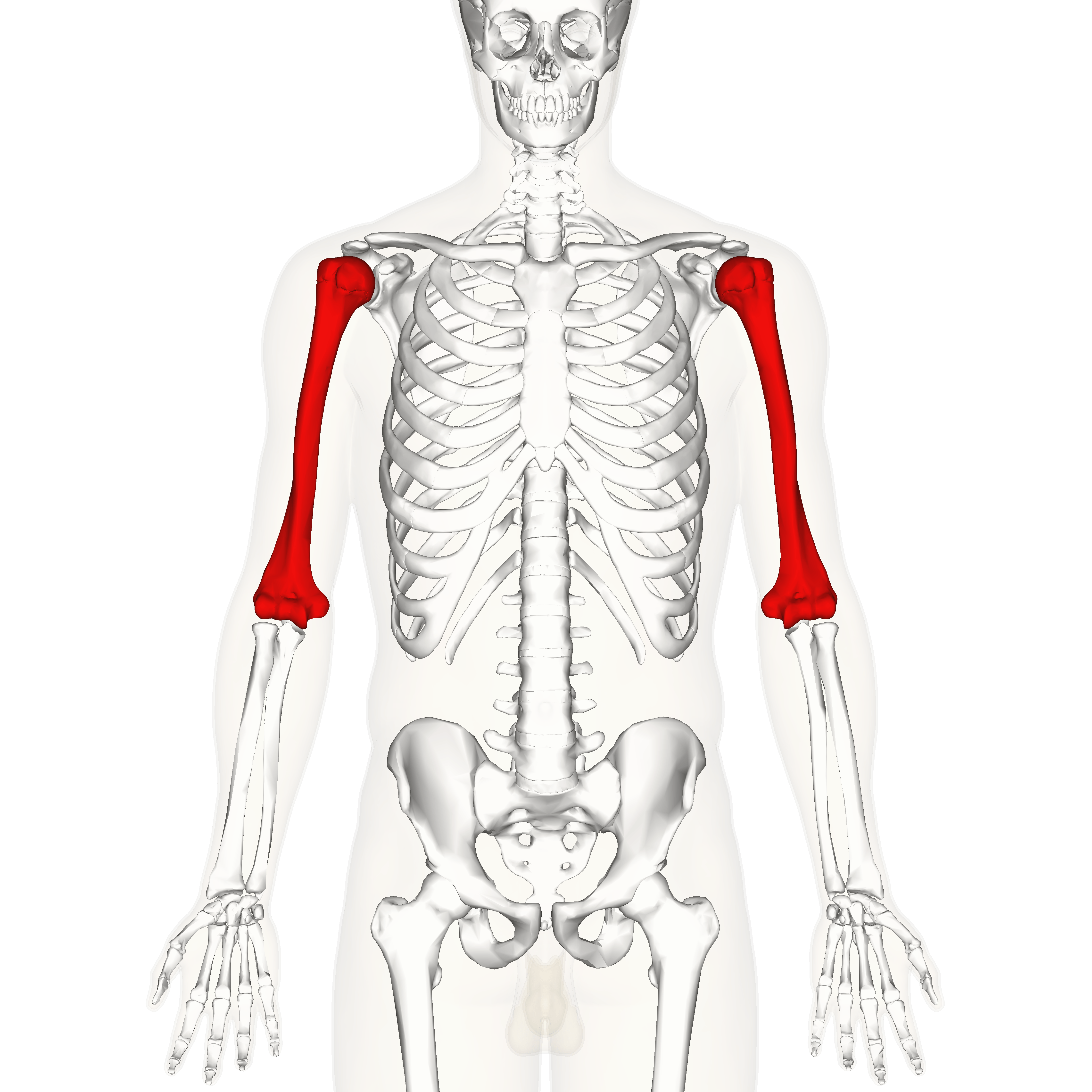
The humerus is part of this system?
a)
Muscular
b)
Reproductive
c)
Skeletal
d)
Nervous
60.
Which system detects changes in the environment and sends electrical signals in response to these changes?
a)
Nervous
b)
Endocrine
c)
Lymphatic
d)
Reproductive
61.
This system carries oxygen, nutrients and waste around the body.
a)
Lymphatic
b)
Urinary
c)
Respiratory
d)
Circulatory
62.
What is the main function of the respiratory system?
a)
to provide oxygen and remove carbon dioxide from the body
b)
to bring oxygen to the body
c)
to break down food and absorb nutrients
d)
to remove oxygen from the body and deliver carbon dioxide
63.
What is the function of the digestive system?
a)
to break down and absorb nutrients
b)
to support and protect our bodies
c)
to produce vitamin D
d)
to help us move
64.
What body system consists of the lungs
a)
Respiratory
b)
Circulatory
c)
Muscular
d)
Skeletal
65.
What body system consists of the kidneys?
a)
Circulatory
b)
Excretory
c)
Digestive
d)
Muscular
66.

What body system consists of the heart?

a)

Excretory

b)

Digestive

c)

Cardiovascuar

d)

Respiratory

67.
Which system produces sperm and egg cells?  In females, it also nourishes the fetus.
a)
reproductive
b)
endocrine
c)
nervous
d)
lymphatic
68.
Which system sends electrical messages that helps control the body's responses to internal and external changes?
a)
nervous
b)
endocrine
c)
reproductive
d)
integumentary
69.
Your skin and hair are parts of your ___________
a)
endocrine system
b)
excretory system
c)
lymphatic system
d)
integumentary system
70.
Joints, cartilage, and tendons belong to what system?
a)
Skeletal System 
b)
Muscular System 
c)
Excretory System
d)
Lymphatic System
71.
The brain and spinal cord belong to what system?
a)
Lymphatic System
b)
Circulatory System
c)
Nervous System
d)
Reproductive System
72.
Glands, Pituitary and thyroid belong to what system?
a)
Endocrine System
b)
Excretory System
c)
Reproductive System
d)
Skeletal System
73.
The mouth, esophagus and large intestine belong to what system?
a)
Nervous System
b)
Digestive System 
c)
Integumentary System
d)
Lymphatic System 
74.

The study of the structure and shape of the body and its parts

a)

anatomy

b)

physiology

c)

biology

d)

anthropology

75.

The study of how the body and its parts function

a)

anatomy

b)

physiology

c)

psychology

d)

anthropology

76.

Which of these cavities contain the stomach

a)

Thoracic

b)

Abdominal

c)

Pelvic

d)

Spinal

77.

Which of these body cavities is a long , continous cavity located on the back of the body?

a)

Pelvic

b)

Dorsal

c)

Ventral

d)

Abdominal

78.

Which of these planes are horizontal and divides the body into a top half and bottom half?

a)

Transverse

b)

Midsagittal

c)

Frontal

79.

Which of these planes divides the body into frontal and back sections?

a)

Frontal

b)

Midsagittal

c)

Transverse

80.

these planes is known as the midline and divides the body into equal right & left halves?

a)

Frontal

b)

Transverse

c)

Midsagital

81.

Which of these cavities contains the lungs and the heart?

a)

Spinal

b)

Cranial

c)

Pelvic

d)

Thoracic

82.

The left lumbar region is found in what body cavity?

a)

Dorsal

b)

Abdominal

c)

Thoracic

d)

Orbital

83.

Which of these body cavities on the front side of the body?

a)

Cranial

b)

Ventral

c)

Dorsal

d)

Spinal

84.

Which of these cavities contains the brain?

a)

Pelvic

b)

Abdominal

c)

Spinal

d)

Cranial

85.

Which of these directional terms refers to body parts toward the point of attachment?

a)

Proximal

b)

Ventral

c)

Dorsal

d)

Distal

86.
Superior
a)
Above
b)
Below
c)
Toward Surface
d)
Toward Core
87.
Inferior
a)
Above
b)
Below
c)
Toward Surface
d)
Toward Core
88.
Superficial
a)
Above
b)
Below
c)
Toward Surface
d)
Toward Core
89.
Deep
a)
Above
b)
Below
c)
Toward Surface
d)
Toward Core
90.
Dorsal
a)
Toward the Back
b)
Toward the Front
c)
Toward the Trunk
d)
Away from the Trunk
91.
Ventral
a)
Toward the Back
b)
Toward the Front
c)
Toward the Trunk
d)
Away from the Trunk
92.
Medial
a)
Toward Middle
b)
Toward Side
c)
Toward Front
d)
Toward Back
93.
Lateral
a)
Toward Middle
b)
Toward Side
c)
Toward Front
d)
Toward Back
94.
Anterior
a)
Toward Middle
b)
Toward Side
c)
Toward Front
d)
Toward Back
95.
Posterior
a)
Toward Middle
b)
Toward Side
c)
Toward Front
d)
Toward Back
96.
My nose is ______________ to my shoulders
a)
inferior
b)
superior
97.
My toes are _________________ to my femur
a)
proximal
b)
distal
98.
My elbow is ______________ to my fingers
a)
proximal
b)
distal
99.
My ear is more _____________ than my nose
a)
Medial 
b)
lateral
100.
My heart is ______________ to my spinal cord.
a)
Posterior
b)
Anterior
c)
inferior
d)
superior
101.
My lungs are ______________ to my small intestine.
a)
Posterior
b)
Anterior
c)
inferior
d)
superior
102.
If something is higher up on your arm or leg it is ______
a)
Proximal
b)
Distal
c)
Superficial
d)
Deep
103.
The heart is ________ to the ribs.
a)
medial
b)
lateral
c)
superior
d)
deep
104.
Which of the following best describes anatomical position?
a)
Erect position of the body with the face directed forward, the arms at the side, and the palms of the hands facing forward
b)
erect position of the body with the face directed forward, the arms at the side, and the palms of the hands facing backwards
c)
laying position of the body with the face directed forward, the arms at the side, and the palms of the hands facing forward
d)
laying position of the body with the face directed forward, the arms at the side, and the palms of the hands facing backwards
105.
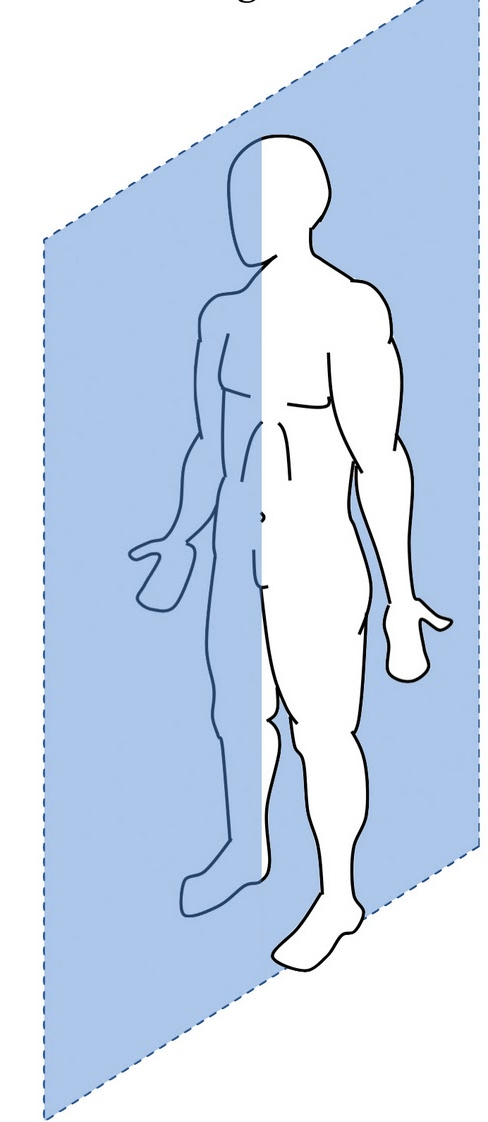
Which body plane is pictured?
a)
sagittal
b)
frontal (coronal)
c)
transverse
106.
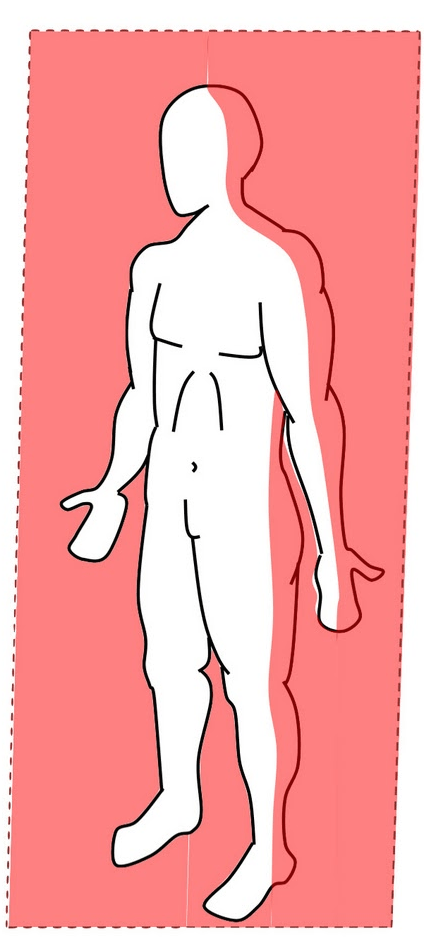
Which body plane is pictured?
a)
sagittal
b)
frontal (coronal)
c)
transverse
107.
The maintenance of an organism’s internal environment is called:
a)
compensating
b)
homeostasis
c)
balancing
d)
routine
108.
The "cause" for something to happen is the
a)
response
b)
effect
c)
stimulus
d)
homeostasis
109.
The "effect" of a given stimulus is the...
a)
response
b)
stimulus
c)
cause
d)
result
110.

Your sensors send information to...

a)

each other

b)

the brain

c)

other people

d)

the internet

111.

The ¨control center¨ in your body is your ___________

a)

brain

b)

mitochondria

c)

cells

d)

heart

112.

Your communication systems carry messages through...

a)

nerve impulses and hormones

b)

cell phone signals

c)

your heartbeat

d)

your skin

113.

In negative feedback, a control system _________________ any change in the body that moves conditions above or below a set point.

a)

increases

b)

counteracts

c)

adds to

d)

prevents

114.

In some cases, the body needs change to accomplish a specific task. This is the job of _________________.

a)

Negative Feedback

b)

the changing environment

c)

Homeostasis

d)

Positive Feedback

115.

In _______________, the control center uses information from the sensors to increase the rate of change away from a set point.

a)

Negative Feedback

b)

Homeostasis

c)

Mitochondria

d)

Positive Feedback

116.

Sweating when you are hot is an example of...

a)

Positive Feedback

b)

the environment constantly changing

c)

Negative Feedback

d)

increasing the rate of change

117.

Which term most accurately describes your body's response to temperature changes?

a)

Positive Feedback

b)

Negative Feedback

c)

Control Center

d)

Condensation

118.

Which is a necessary life function?

a)

nutrients

b)

water

c)

maintaining boundaries

d)

oxygen

119.

Which is NOT a necessary life function?

a)

movement

b)

growth

c)

reproduction

d)

responsiveness

e)

normal body temperature

120.

Which is NOT a survival need?

a)

digestion

b)

nutrients

c)

water

d)

oxygen

e)

appropriate atmospheric pressure

121.
In what organelle is the genetic material found inside?
 
a)
Endoplasmic Reticulum
b)
Golgi Complex
c)
Nucleolus
d)
Nucleus
122.
What organelle is called the "powerhouse" of a cell?

a)
Endoplasmic Reticulum
b)
Nucleus
c)
Mitochondria
d)
Nucleolus
123.
What is the function of the vacuole?
a)
Sac that stores water, nutrients, and waste products
b)
Sac filled with digestive chemicals
c)
Jelly-like substance within the plasma membrane
d)
stack of membranes that packages chemicals
124.
I make proteins for the cell. What am I?
a)
ribosome
b)
mitochondria
c)
chloroplast
d)
lysosome
125.
what is the jelly like substance in the animal cell?
a)
chloroplast 
b)
cytoplasm
c)
cell wall
d)
jello i love it
126.
what lets things go through and lets things out?
a)
cell wall
b)
nucleus
c)
cell membrane
d)
vacuole
127.
Provides strength and shape to the cell; network of protein fibers
a)
cytoplasm
b)
cytoskeleton
c)
ribosomes
d)
cellulose
128.
Vesicle that contains substances that break down materials.
a)
vacuole
b)
lysosome
c)
cytoplasm
d)
mitochondrion
129.
Composed of protein and RNA; involved in ribosome production.
a)
amino acid
b)
mitochondrion
c)
nucleolus
d)
nucleus
130.
Packages and transports proteins from ER to other parts of the cell.
a)
endoplasmic reticulum
b)
golgi body
c)
cytoplasm
d)
cytoskeleton
131.
Passageways that transport proteins within the cell.
a)
golgi body
b)
endoplasmic reticulum
c)
cytoplasm
d)
lysosome
132.
What is diffusion?
a)
when molecules move 
b)
when molecules move from a high concentration to a low.
c)
no movement 
d)
molecules move everywhere
133.
Osmosis is the diffusion of __________.
a)
water
b)
glucose
c)
air
d)
passive transport
134.
The picture is an example of _________________.
a)
osmosis
b)
isotonic
c)
diffusion
d)
active transport
135.
Two examples of passive transport are
a)
Earth and Sun
b)
Diffusion and Osmosis
c)
Energy and Wind
d)
None of the above
136.
What a cell needs to transport particles by active transport?
a)
Sun
b)
Wind
c)
Energy
d)
Channels
137.
When both inside and outside of a cell have the same amount of water it is said that the cell has reached a state of
a)
Osmosis
b)
Diffusion
c)
Equilibrium
138.
A person's tongue cells after finishing eating a salty French fry would...
a)
get smaller
b)
get bigger
c)
remain the same
139.
A person should never drink salty water because their cells would
a)
shrink
b)
expand
140.
A person would never have pure water put into their veins in a hospital because their cells would...
a)
Shrink/Dehydrate
b)
Expand
141.
There are more molecules inside a cell than there are outside the cell.... which way would the molecules move inside the cell or outside the cell
a)
Move inside the cell
b)
Move outside the cell
142.
Passive transport requires no
a)
concentration gradients
b)
osmosis
c)
motion
d)
energy
143.
Controlling what goes into or out of the cell with the help of energy is called
a)
active transport
b)
endocytosis
c)
passive transport
d)
exocytosis
144.
The movement of molecules against a concentration gradient
a)
simple diffusion
b)
facilitated diffusion
c)
active transport
d)
osmosis
145.
Sometimes, energy is required for ____ molecules to go in or out of the cell because they cannot fit into the membrane.
a)
big
b)
small
c)
crunchy
d)
water
146.
A phospholipid has 2 parts. What are they called? 
a)
Hydrophilic Head, Hydrophobic Tail 
b)
Hydrophobic Head, Hydrophilic Tail 
147.
"Water Loving"
a)
Hydrophobic
b)
Hydrophilic 
c)
Hydroelectric 
d)
Hydroloric
148.
"Water Fearing" 
a)
Hydrophobic
b)
Hydrophilic 
c)
Hydroelectric 
d)
Hydroloric
149.
A cell in an isotonic solution will
a)
swell
b)
shrink
c)
stay the same size
d)
impossible to tell
150.
This picture represents which type of cellular transport?
a)
passive transport
b)
endocytosis
c)
exocytosis
d)
osmosis
151.
The cell below is in a _________ solution.
a)
Hypotonic
b)
Hypertonic
c)
Isotonic
152.
The cell below is in a _____________ solution.
a)
Hypertonic
b)
Hypotonic
c)
Isotonic
153.
A cell in a hypotonic solution will
a)
swell
b)
shrink 
c)
stay the same size
d)
impossible to tell
154.
In what direction do particles naturally diffuse?
a)
Up the concentration gradient
b)
Down the concentration gradient
c)
Across the concentration gradient
d)
Over the river and through the woods
155.
What is embedded in the phospholipid bilayer?
a)
proteins
b)
salt
c)
water
d)
trapped animals
156.
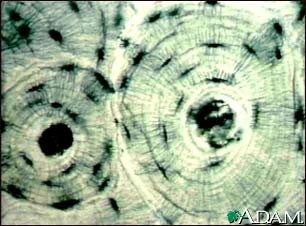
Which tissue is this?
a)
Simple Squamous
b)
Stratified Squamous
c)
Simple cuboidal
d)
Pseudostratified columnar
157.
Which type of epithelial tissue would allow oxygen to quickly pass through it?
a)
Simple Squamous
b)
Simple Cuboidal
c)
Simple Columnar
d)
Transitional
158.
Which type of muscle tissue would line the intestines?
a)
Smooth
b)
Cardiac
c)
Skeletal
d)
Transitional
159.
What type of Connective Tissue are TENDONS and LIGAMENTS
a)
Dense Connective Tissue
b)
Osseous Tissue
c)
Loose connective Tissue
d)
Cartilage
160.
What type of Connective tissue is found at the ends of bones to reduce friction?
a)
Cartilage
b)
Dense connective tissue
c)
Adipose Tissue
d)
Loose connective tissue
161.
What type of tissue SIGNALS the intestines to move food along?
a)
Nervous Tissue
b)
Blood Tissue
c)
Smooth muscle tissue
d)
Skeletal Muscle Tissue
162.
Salivary glands are 
a)
Endocrine Glands
b)
Exocrine Glands
163.
The pituitary gland puts growth hormone into the blood. What type of gland is it?
a)
Endocrine Gland
b)
Exocrine Gland
164.
What type of muscle tissue is VOLUNTARILY controlled
a)
Skeletal Only
b)
Skeletal and Cardiac
c)
Smooth and Cardiac
d)
Cardiac Only
165.
Which type of epithelial tissue stretches and is found in the bladder and other urinary organs?
a)
Transitional
b)
Simple Cuboidal
c)
Stratified Squamous
d)
Stratified Columnar
166.
What  type of connective tissue has a hard matrix of calcium and salts?
a)
Osseous
b)
Adipose
c)
Blood
d)
Dense Connective
167.
a)
adipose
b)
dense irregular
c)
areolar
d)
nerve
168.
a)
hyaline cartilage
b)
fibrocartilage
c)
bone
d)
blood
169.
a)
smooth muscle
b)
bone
c)
nerve
d)
blood
170.
Which of the following tissues binds everything together?
a)
Epithelial
b)
Connective
c)
Muscle 
d)
Nervous
171.
Which of the following tissues lines the interior and exterior of organs?
a)
Epithelial
b)
Connective
c)
Muscle 
d)
Nervous
172.
Which of the following tissues is made up of cells that contract when stimulated?
a)
Epithelial
b)
Connective
c)
Muscle 
d)
Nervous
173.
Which of the following tissues is made up of cells that conduct impulses?
a)
Epithelial
b)
Connective
c)
Muscle 
d)
Nervous
174.
What is an example of connective tissue?
a)
Bones
b)
Muscle
c)
Neuroglia
d)
Stomach lining
175.
Your bicep is a type of .....
a)
Epithelial Tissue
b)
Connective Tissue
c)
Muscle Tissue
d)
Nervous Tissue
176.
Blood is a type of .....
a)
Epithelial Tissue
b)
Connective Tissue
c)
Muscle Tissue
d)
Nervous Tissue
177.
Define tissue with regards to anatomy
a)
A group of structurally and functionally related cells that come together to perform common functions
b)
Multiple sheets of thin paper used to clean your nose
c)
A series of different cells in the same area
d)
The smallest structural and functional unit of an organism
178.
Which of the following cell types is correctly matched with it's cell shape?
a)
Squamous - flattened, pancake
b)
Cuboidal - rectangular
c)
Columnar - flattened, pancake
d)
Columnar - cubed/square
179.
The common term for adipose tissue is
a)
Fat
b)
Blood
c)
Bone
d)
Cartilage
180.
Cardiac muscle is specific to which organ?
a)
Heart
b)
Brain
c)
Pancreas
d)
Lungs
181.
What tissue type is this?
a)
Adipose tissue
b)
Cardiac muscle
c)
Nervous tissue
d)
Skeletal muscle
182.
The top surface of an epithelial tissue
a)
Apical Suface
b)
Basement membrane
183.
The basic shapes of epithelial cells include all but which of the following? 
a)
stratified
b)
cuboidal
c)
squamous
d)
columnar
184.
A Transitional Epithelium can be found… 
a)
lining of the urinary bladder
b)
lining kidney tubules
c)
lining the stomach
185.
One would find Pseudostratified Columnar Epithelium lining the 
a)
upper respiratory tract
b)
heart
c)
intestines
d)
surface of the skin
186.
Ligaments attach 
a)
muscle to bone
b)
bone to bone
c)
muscle to muscle
d)
tendons to muscle
187.
BEING ABLE TO CONTROL MOVEMENT YOUR SELF
a)
INVOLUNTARY
b)
VOLUNTARY
c)
SUPPORTIVE
d)
ACTIVE
188.
5. Epithelial tissue is often avascular which means
a)
has many blood vessels
b)
has no blood vessels
c)
has veins but not arteries
d)
has only capillaries
189.
6. What two things classify epithelial tissue
a)
layers and cell shape
b)
layers and cell size
c)
layers and cell number
d)
layers and cell origin
190.
18. What is osseous tissue
a)
bone
b)
nails
c)
disks between vertebrae
d)
found only in the knee
191.
21. What are lacunae
a)
cells that heal sunburn
b)
special cells that produce cartilage
c)
cavities in bone tissue
d)
cells that produce blood
192.
23. Tendons connect
a)
Muscles to bones
b)
Bones to bones
c)
Skin to bones
d)
Muscles to  muscles
193.

During regeneration the tissue is replaced by cells of __________.

a)

same type

b)

different type

194.
What type of connective tissue are tendons and ligaments?
a)
Dense Fibrous Tissue
b)
Bone
c)
Loose Connective Tissue
d)
Cartilage
195.

Which types of tissue are replaced with scar tissue?

a)

epithelial

b)

glands

c)

muscle

d)

nervous and cardiac

196.
Which of the following is NOT a major function of body membranes?
a)
cover body surfaces
b)
line body cavities
c)
form protective sheets around organs
d)
divide the organs in the cavities
197.
Which of the following is not one of the epithelial membranes?
a)
cutaneous membrane
b)
mucous membrane
c)
serous membrane
d)
dermis membrane
198.
What is the only connective tissue membrane in the body?
a)
synovial membrane
b)
cartilaginous membrane
c)
dermal membrane
d)
serous membrane
199.
Which of the epithelial membranes is a dry membrane?
a)
cutaneous
b)
serous
c)
mucous
d)
synovial
200.
What part of the cutaneous membrane is made up of keratinized stratified squamous epithelium?
a)
dermis
b)
epidermis
c)
ectodermis
d)
endodermis
201.
What body membrane lines all body cavities that open to the exterior body surface?
a)
synovial
b)
serous
c)
mucous
d)
cutaneous
202.
Which pair of body membranes are responsible for producing lubricating fluids for cavities and joints?
a)
cutaneous and mucous
b)
serous and synovial
c)
synovial and cutaneous
d)
only the mucous
203.
What type of epithelial tissue makes up serous membranes?
a)
simple squamous
b)
simple cuboidal
c)
simple columnar
d)
stratified squamous
204.
Which of the following is NOT a specific type of serous membrane?
a)
peritoneum
b)
pleura
c)
pericardium
d)
endocardium
205.
Which body membrane contains no epithelial tissue?
a)
synovial
b)
serous
c)
cutaneous
d)
mucous
206.
what layer of the serous membrane lies closest to the organ?
a)
visceral
b)
parietal
c)
peritoneal
d)
endoral
207.
The four body membranes are?
a)
Epidermis, Papillary Layer, Reticular Layer, and Hypodermis
b)
Serous, Mucous, Synovial, and Cutaneous
c)
Epithelial, Connective, Muscular, and Nervous
d)
None of the above
208.
Which body membrane will you find surrounding organs?
a)
Serous
b)
Mucous
c)
Synovial
d)
Cutaneous
209.
Which body membrane will you find lining the respiratory and digestive tracts?
a)
Serous
b)
Mucous
c)
Synovial
d)
Cutaneous
210.
Which body membrane will you find surrounding the joints of the body?
a)
Serous
b)
Mucous
c)
Synovial
d)
Cutaneous
211.
Which body membrane will you find surrounding the entire body?
a)
Serous
b)
Mucous
c)
Synovial
d)
Cutaneous 
212.
Which body membrane reduces friction between organs?
a)
Serous
b)
Mucous
c)
Synovial
d)
Cutaneous
213.
Which body membrane helps reduce friction and maintain joints?
a)
Serous
b)
Mucous
c)
Synovial
d)
Cutaneous
214.
Which body membrane acts as a protective layer against the external environment?
a)
Serous
b)
Mucous
c)
Synovial
d)
Cutaneous
215.
Which body membrane secretes serous fluid?
a)
Serous
b)
Mucous
c)
Synovial
d)
Cutaneous
216.
Which body membrane secretes sweat and sebum?
a)
Serous
b)
Mucous
c)
Synovial
d)
Cutaneous
217.
The serous membrane around the heart is called the?
a)
Pericardial Serous Membrane
b)
Pleural Serous Membrane
c)
Peritoneal Serous Membrane
d)
None of the above
218.
The serous membrane around the lungs is called the?
a)
Pericardial Serous Membrane
b)
Pleural Serous Membrane
c)
Peritoneal Serous Membrane
d)
None of the above
219.
The serous membrane around the abdominal organs is called the?
a)
Pericardial Serous Membrane
b)
Pleural Serous Membrane
c)
Peritoneal Serous Membrane
d)
None of the above
220.
Goosebumps are caused by contractions of the ______ muscle
a)
Arrector pili
b)
Apocrine
c)
Eccrine
d)
Sebaceous
221.
Skin color is due to a pigment called
a)
Keratin
b)
Melanin
c)
Chromatin
d)
Epithelium
222.
a)
First Degree Burn
b)
Second Degree Burn
c)
Third Degree Burn
d)
Fourth Degree Burn
223.
The epidermis is composed of _____.
a)
stratified squamous epithelium
b)
simple columnar epithelium
c)
adipose tissue
d)
connective tissue
224.
The function of sebum is:
a)
Keeps skin soft and moist
b)
Help to regulate body temperature
c)
Produce vitamin D
d)
Protect skin from mechanical damage
225.
A sunburn might be an example of a:
a)
1st degree burn
b)
2nd degree burn
c)
3rd degree burn
d)
4th degree burn
226.

FINGERPRINTS ARE DERIVED (BORN) IN WHICH LAYER:

a)

EPIDERMIS

b)

DERMIS

c)

HYPODERMIS

227.
The layer of the epidermis that is capable of dividing is
a)
Stratum basale
b)
Stratum corneum
c)
Stratum lucidum
d)
Stratum spinosum
228.
The protein that makes us "waterproof" is called
a)
keratin
b)
melanin
c)
carotene
d)
mucus
229.
Cancer of the bottom layer of the epidermis is called
a)
Malignant melanoma
b)
Basal cell carcinoma
c)
Impetigo
d)
Squamous cell carcinoma
230.
oil glands
a)
sebaceous
b)
sudoriferous
231.
This function of the skin allow the body to respond to pain, pressure, temperature, and sensation.
a)
production
b)
sensory perception
c)
body temperature regulation
d)
 absorption
232.
This function of the skin allows  the body to retain or lose heat.
a)
body temperature regulation
b)
storage
c)
excretion
d)
absorption
233.
The skin helps to produce _______________ by using UV rays from the sun.
a)
Vitamin A
b)
Vitamin C
c)
Vitamin D
d)
Vitamin K
234.
What layer of the of the skin is found only in the palms of yours hands and the soles of your feet?
a)
stratum granulosum
b)
stratum spinosum
c)
stratum lucidum
d)
stratum germinativum
235.
Deepest layer of the integument that is made of elastic connective tissue and adipose tissue.
a)
epidermis
b)
dermis
c)
hypodermis
d)
hyperdermis
236.
What is another name for the hypodermis?
a)
epidermis
b)
subcutaneous layer
c)
stratum corneum
d)
cutaneous layer
237.
The structure that holds the root of the hair firmly in place.
a)
Hair follicle
b)
Hair shaft
c)
Hypodermis
d)
Sweat pore
238.
What causes acne?
a)
clogged sebaceous glands
b)
clogged apocrine glands
c)
clogged merocrine glands
d)
clogged sweat glands
239.
The integumentary system does not include.. 
a)
Hair 
b)
Skin 
c)
Nails 
d)
Liver
240.

What layer of the skin contains blood vessels, nerves and glands?

a)

Dermis

b)

Epidermis

c)

Hypodermis

241.

Which of these is NOT a function of the skin (integumentary system)?

a)

Regulate body temperature

b)

Prevent water loss

c)

Protect from microbial invasion

d)

Absorb nutrients from food

242.
The function that allows the body to eliminate salt, waste, and excess water and heat is :
a)
absorption
b)
excretion
c)
production
243.
The outermost layer of the epidermis that constantly sheds. 
a)
stratum corneum
b)
stratum germinativum
244.
The innermost layer of the epidermis. This layer replaces new cells to the outermost layer of the epidermis.
a)
stratum corneum
b)
stratum germinativum
245.
What is the purpose / function of the skin?
a)
protection
b)
temperature maintenance
c)
excretion and sensory reception
d)
all of the choices
246.
The epidermis is composed of _____.
a)
stratified squamous epithelium
b)
simple columnar epithelium
c)
adipose tissue
d)
connective tissue
247.

Which layer of the epidermis produces new skin cells?

a)

stratum basal

b)

stratum granulosum

c)

stratum corneum

d)

stratum lucidum

248.
Which layer of the epidermis do dead skin cells flake off of?
a)
stratum germinativum
b)
stratum granulosum
c)
stratum corneum
d)
stratum lucidum
249.
Where is thick skin located?
a)
palms
b)
scalp
c)
arms
d)
face
250.
What layer of the of the skin is found only in the palms of yours hands and the soles of your feet?
a)
stratum granulosum
b)
stratum spinosum
c)
stratum lucidum
d)
stratum germinativum
251.
Which layer contains accessory structures such as sweat glands, sebaceous glands, and hair follicles?
a)
epidermis
b)
dermis
c)
hypodermis
d)
hyperdermis
252.
Oil glands that are found all over the skin, except on the palms and soles, are called _____.
a)
merocrine glands
b)
sebaceous glands
c)
apocrine glands
d)
sweat glands
253.
Red and itchy skin that burns or itches, can lead to blisters or legion.
a)
impetigo
b)
ringworm
c)
eczema
d)
psoriasis
254.
Noncontagious skin disease, may be hereditary, thick red area covered with white or silver scales
a)
Eczema
b)
Impetigo
c)
Dermatitis
d)
Psoriasis
255.
The most dangerous type of skin cancer, lesions can be brown, black, pink, or multicolored
a)
Basal Cell Carcinoma
b)
Squamous Cell Carcinoma
c)
Melanoma
256.
You called 911 to request emergency assistance for a victim burned in a fire. The victim tells you that he is in a lot of pain. His skin has many blisters and is severely swollen.   

What should you tell the 911 operator when he asks, "How bad are the burns?"
a)
"They are first-degree burns."
b)
"They are second-degree burns."
c)
"They are third-degree burns."
257.
What is the most painful type of burn?
a)
First-degree burns, because the outer skin is so sensitive
b)
Third-degree burns, because they are the most severe
c)
Second-degree burns, because nerve endings are still intact even though tissue damage is severe
d)
All types of burns are excruciatingly painful
258.

The client has burns on both legs. These areas appear white and leather-like. No blisters or bleeding are present, and there is just a “small amount of pain.” How to categorize this injury?

a)

Full-thickness

b)

Partial-thickness superficial

c)

Partial-thickness deep

d)

Superficial

259.
Impetigo is an example of
a)
Bacteria 
b)
Fungus
c)
Virus