
 Worksheets
8_Birth & NB screening Review
Total questions: 14
Worksheet time: 9mins
The opening and widening of the cervix is called:
effacement
dilation
giving birth
labor

Which stage of birth is shown here?
Birthing stage has not begun
Stage 1
Stage 2
Stage 3
When the baby's bottom or feet are facing the cervix it is called a (a) birth and typically the baby arrives via (b) .
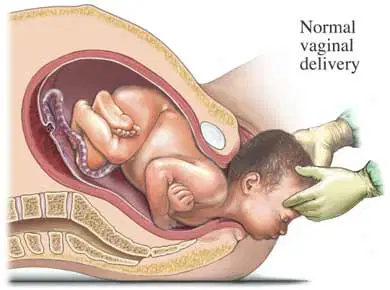
This is stage ____ of birth.
1
2
3
All of these are dangerous warning signs for a pregnant or postpartum woman EXCEPT FOR:
Difficulty breathing
Passing a blot clot the size of an orange
Bad headache with vision changes
Nausea early in pregnancy
Match the following situations to the correct description.
False labor contractions
Braxton Hicks
Placenta grows over all or part of the cervix
Placenta previa
Fetal scalp visible at vaginal opening
Crowning
Process of giving birth to offspring
Parturition

Which hormone and process is correctly described for breastfeeding?
Oxytocin triggers milk letdown (release)
Prolactin triggers milk letdown (release)
Growth hormone causes the breasts to enlarge
Progestins cause mastitis to begin
A common method to perform blood tests for newborn babies is ...
amniocentesis
the Guthrie test
the heel stick test
karyotype
Genes are sections of ____________ that code for ___________________
DNA, lipids
proteins, DNA
lipids, DNA
DNA, proteins
PKU is when the body...
cannot break down one amino acid
cannot break down any proteins
cannot digest lipids
cannot digest carbohydrates
_____________________ is a hereditary disease that affects the lungs and digestive system. The body produces thick and sticky mucus that can clog the lungs and obstruct the pancreas.
sickle cell anemia
PKU or phenylketonuria
cystic fibrosis
PCOS
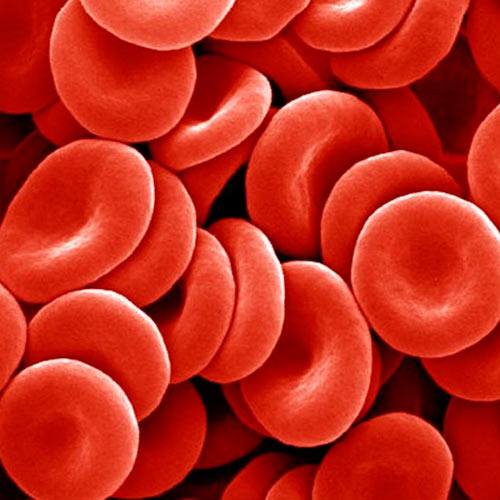
Red blood cells carry _______.
blood
oxygen
water
Individuals with Sickle Cell Disease (Sickle Cell Anemia) have ___ copies of the mutated gene.
1
2
3
4
The diseases newborn screening test for are caused by:
mothers that drink or take drugs during pregnancy
accidents during labor or delivery
preeclampsia or other problems with the placenta
two mutated genes one from each parent

