
 Worksheets
Properties of Matter Part 2
Total questions: 30
Worksheet time: 23mins
Name
Class
Date
1.
What kind of properties can only be observed when a substance changes into a different substance?
a)
physical properties
b)
chemical properties
c)
liquid properties
d)
real properties
2.
Which of the following is a sign that a chemical reaction has occurred?
a)
change in shape
b)
melting
c)
formation of a gas
d)
dissolving
3.
Is melting butter for popcorn a chemical or physical change?
a)
chemical
b)
physical
4.
Is bleaching your hair a physical or chemical change?
a)
physical
b)
chemical
5.

Is burning wood a chemical or physical change?
a)
chemical
b)
physical
6.
Kim puts an ice cube in a beaker and it melts. This is a good example of:
a)
a physical change.
b)
a chemical change.
c)
an experiment.
d)
an analysis.
7.
Adding baking soda and vinegar together and it fizzes and creates carbon dioxide.
a)
Chemical
b)
Physical
8.
Which is a Chemical property?
a)
Thermal Conductivity
b)
Density
c)
Malleability
d)
Flammability
9.
Which of the following is a chemical property of water?
a)
Reacts with pure sodium.
b)
Boils at 100 oC.
c)
Dissolves sugar easily.
d)
Has a density of 1 gm/mL
10.
Which is a chemical change?
a)
freezing fruit juice
b)
slicing a potato
c)
boiling water
d)
copper metal turning green
11.
Which of the following tells you that a chemical change may have occurred?
a)
Change Shape
b)
Melting
c)
Vaporizing
d)
Change in color
12.
What happens in ALL chemical changes?
a)
Change in state of matter
b)
A new substance is formed
c)
Bubbles are produced
d)
An explosion
13.
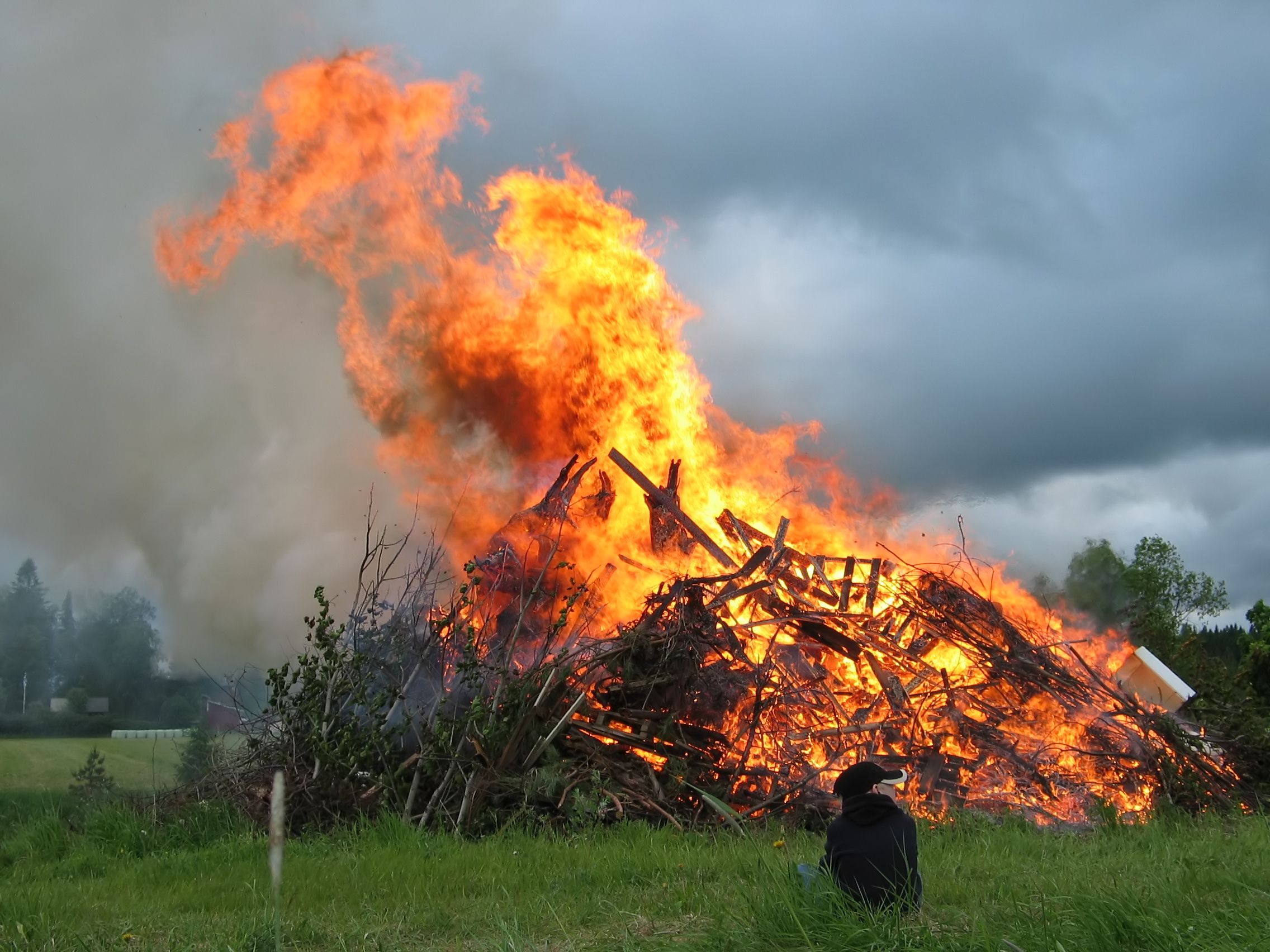
Is wood burning a physical or chemical change?
a)
Physical
b)
Chemical
14.

Is Gatorade powder dissolving in water physical or chemical change?
a)
Physical
b)
Chemical
15.

Is sharpening a pencil a physical or chemical change?
a)
Physical
b)
Chemical
16.

Is copper tarnishing a physical or chemical change?
a)
Physical
b)
Chemical
17.
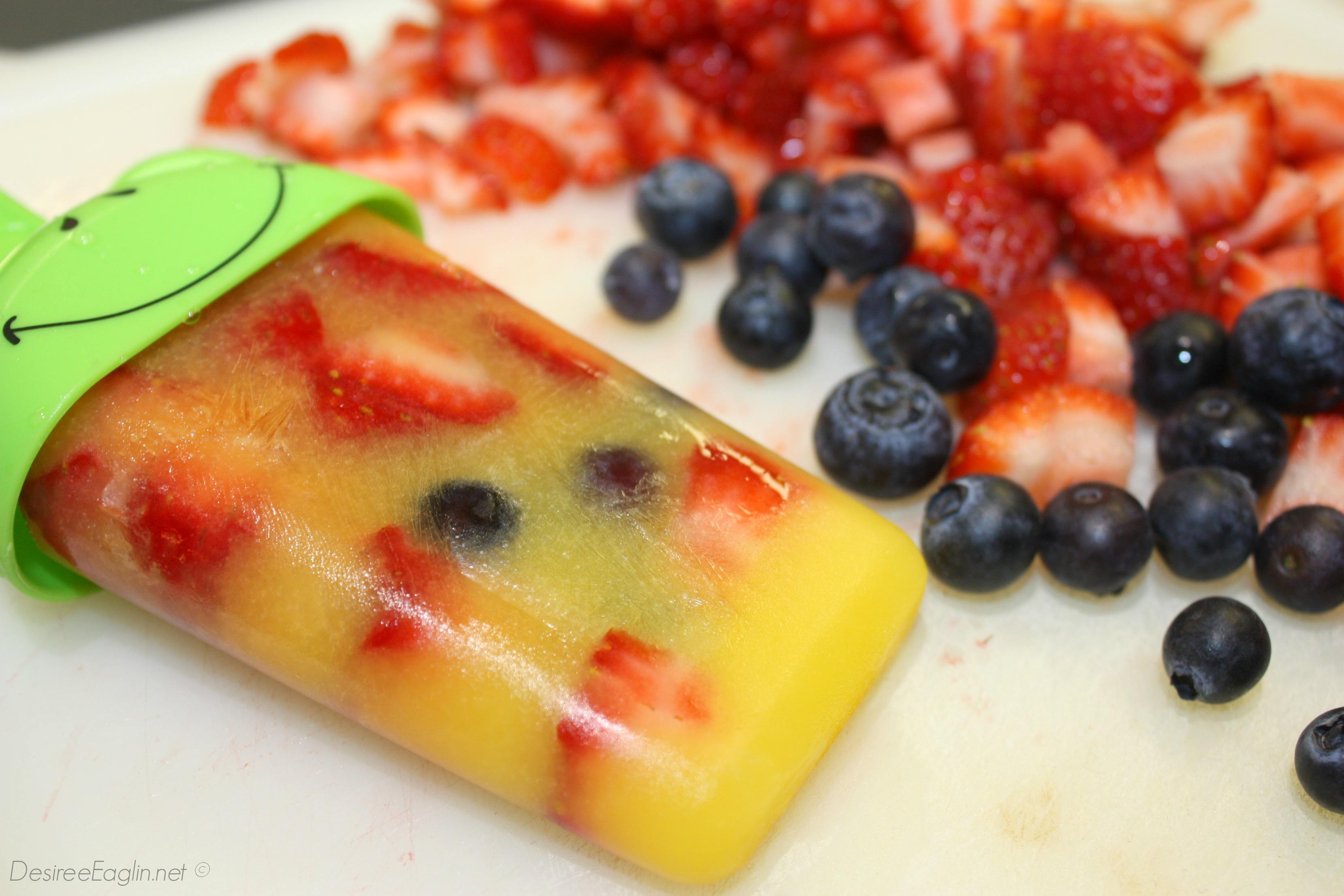
Freezing Juice?
a)
Physical Change
b)
Chemical Change
18.
Fizzing, foaming, and burning are all examples of
a)
Chemical change
b)
Physical change
19.
Metal that is capable of being drawn out into wire or thread is said to be __________
a)
Ductile
b)
base
c)
precipitate
d)
product
20.
Any metal that can be rolled or pounded into flat sheets is usually called ___________
a)
malleable
b)
metal
c)
insulator
d)
ductile
21.
If an object breaks easily, that means it is probably-
a)
malleable
b)
brittle
c)
ductile
22.
Physical properties are
a)
properties that can be observed without changing the identity of the substance
b)
properties that describe how a substance changes into a completely different substance
23.
ability to allow heat to flow
a)
Viscosity
b)
Thermal Conductivity
c)
Density
d)
Melting/Boiling Point
24.
_____ - how well it allows electricity to move through.
a)
Ductility
b)
Luster
c)
Malleability
d)
Conductivity
25.
If something does NOT dissolve in a substance, how do we state that?
a)
soluble in substance
b)
insoluble in substance
c)
non-dissolvable in substance
d)
you don't write anything
26.
What is the formula for finding density?
a)
volume X mass
b)
mass X volume
c)
mass / volume
d)
mass + volume
27.
Density depends on what 2 things?
a)
mass and weight
b)
mass and volume
c)
volume and weight
d)
day and night
28.
When giving a state for a property, what must you add to it?
a)
mL
b)
cm3
c)
at the location you are at
d)
at room temperature
29.
How an object feels
a)
Texture
b)
Color
c)
Shape
d)
Volume
30.
When describing if you can see through something or not, you are describing an objects
a)
transparency
b)
luster
c)
visibility
d)
color
100 %

