
 Worksheets
LT quiz French and Indian War and Revolutionary Ideas
Total questions: 21
Worksheet time: 23mins
Who was the French and Indian War fought between?
French vs. British
French vs. Native Americans
British vs. Native Americans
British vs. Dutch
Why was the French and Indian War fought?
The French, Native Americans, and British did not like each other
The French and British were both trying to claim the Ohio Country Land
The French and the British wanted to have more power back in Europe
The Native Americans wanted to fight both the British and the French
This declaration by the British king did not allow settlers to move past the Appalachian Mountains:
Declaration of Travel 1782
Proclamation of 1763
Declaration of Travel 1752
Proclamation of 1731
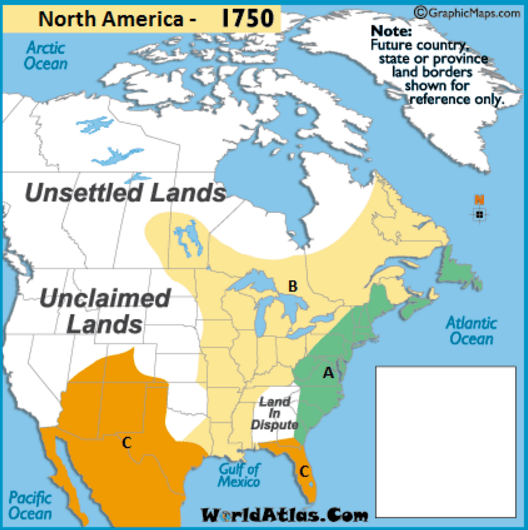
In 1750 which European power controlled territory A?
England
France
Spain
In 1750 which European power controlled territory B?
England
France
Spain
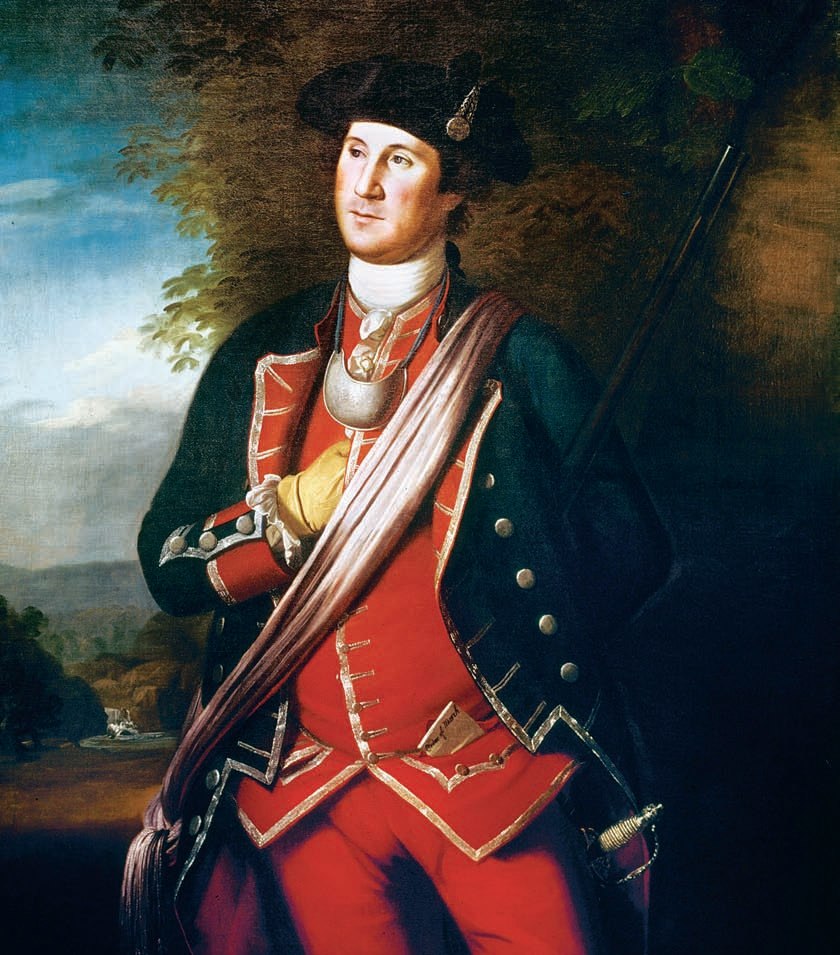
What was the result of the French and Indian War?
France lost its territory in North America to the British
France took over all of Canada
Native-Americans succesfully kicked out the British and French from North America
France defeated the British
What Treaty ended the French and Indian War?
Treaty of British
Treaty of French and Indian War
Treaty of Native Americans
Treaty of Paris

What were John Locke's 3 natural rights?
Life, Liberty, pursuit of happiness
Live, Laugh, Love
Life, Liberty, Property
Life, Speech, Religion
John Locke helped to create which contract theory?
Society of the Banana contract Thoery
Social Contract Theory
Natural Contract Theory
Rights Contract Theory
What role did the government have, according to John Locke?
Protect the people's natural rights
Take away people's natural rights
Help determine the people's natural rights
According to John Locke, if the government didn't protect the people's natural rights, what could the people do?
Overthrow the government
Petition the government for their rights
Nothing, the people don't have rights
Thomas Jefferson used John Locke's natural rights in which famous U.S. document?
U.S. constitution
Declaration of independence
English Bill of Rights
Magna Carta



