
 Worksheets
Landforms and Oceans
Total questions: 38
Worksheet time: 19mins
Name
Class
Date
1.
Processes that create landforms
a)
constructive
b)
destructive
c)
ecosystem
d)
abiotic
2.
Processes that destroy landforms
a)
constructive
b)
destructive
c)
abiotic
d)
parasite
3.
Which is not constructive?
a)
landslide
b)
volcanic eruption
c)
weathering
d)
depositon
4.
Processes that break down rock at or near the earth's surface
a)
deposition
b)
weathering
c)
erosion
d)
constructive
5.
The movement of sediments and soil by water, wind, ice, and gravity
a)
weathering
b)
erosion
c)
depositon
d)
earthquake
6.
The dropping or depositing of sediments by water, wind, and ice
a)
deposition
b)
erosion
c)
weathering
d)
valley
7.
Mass movements of land due to gravity
a)
landslide
b)
volcanic eruption
c)
flood
d)
earthquake
8.
Mountains with openings in Earth's crust through which magma, gases, and ash reach Earth's surface
a)
volcano
b)
flood
c)
mountain
d)
weathering
9.
Seamounts that rise above the surface of the ocean
a)
volcanic island
b)
mountain
c)
earthquake
d)
flood
10.
Vibrations on Earth's surface caused by sudden movement in Earth
a)
earthquake
b)
volcanic eruption
c)
flood
d)
weathering
11.
Huge waves that occur because of underwater earthquakes
a)
tsunami
b)
erosion
c)
flood
d)
Naomi
12.
The steep slope where the continental shelf drops to the bottom of the ocean floor
a)
continental shelf
b)
continental slope
c)
rift zone
d)
mid-ocean ridge
13.
The part of the continent located under the water
a)
continental shelf
b)
continental slope
c)
abyssal plains
d)
ocean basin
14.
Underwater volcanic mountains
a)
mid-ocean ridge
b)
rift zone
c)
continental shelf
d)
trench
15.
Steep-sided canyons and deep narrow valleys in the bottom of the ocean
a)
trench
b)
ocean basin
c)
continental shelf
d)
continental slope
16.
Where the land meets the ocean
a)
shoreline
b)
longshore current
c)
tide
d)
barrier island
17.
Shorelines made of sand
a)
beach
b)
estuary
c)
volcano
d)
trench
18.
Currents along the shoreline that move sand from one location to another
a)
longshore currents
b)
tides
c)
tsunami
d)
stream
19.
Islands with sandy beaches
a)
volcanic islands
b)
barrier islands
c)
inlets
d)
estuaries
20.
Protect the mainland from waves
a)
inlet
b)
barrier island
c)
estuary
d)
longshore currents
21.
The repeated movement of water
a)
waves
b)
tides
c)
breaker
d)
crest
22.
Water filled spaces between barrier islands
a)
inlet
b)
estuary
c)
longshore current
d)
tides
23.
Flowing streams of water that move continually through the ocean in a specific direction
a)
current
b)
wave
c)
trough
d)
tide
24.
A deep valley with steep walls that cut into the earth caused by erosion from running water.
a)
Valley
b)
Canyon
c)
Gulf
d)
River
25.

What land form is this?
a)
valley
b)
canyon
c)
mountain
d)
plain
26.
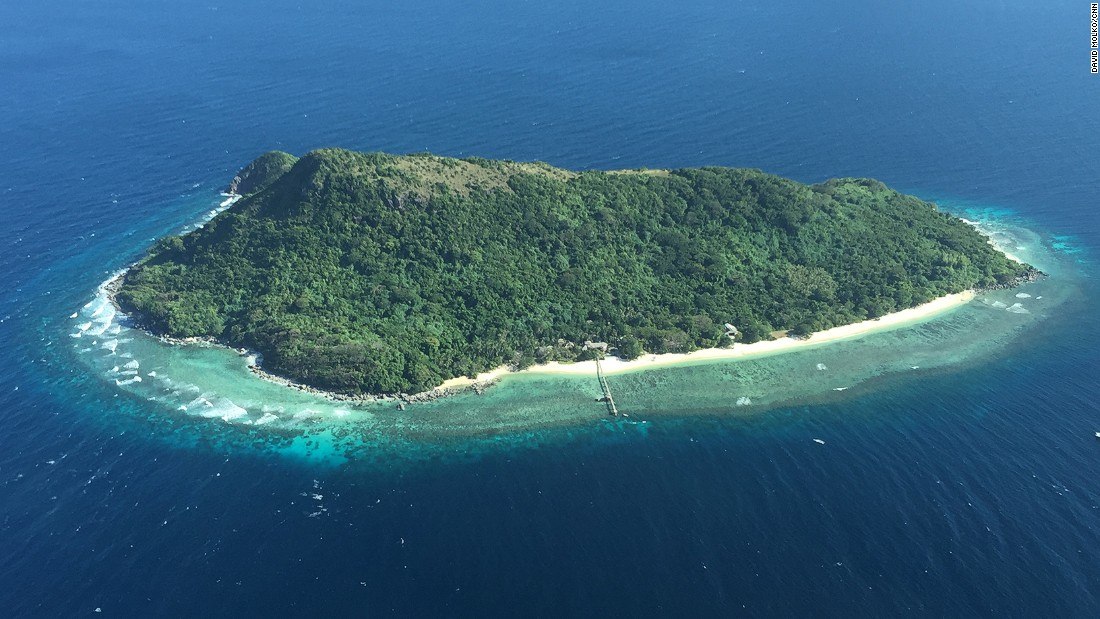
What land form is this?
a)
island
b)
valley
c)
plain
d)
mountain
27.

What land form is this?
a)
valley
b)
plain
c)
volcano
d)
mountain
28.
What is a lowland area between higher lands such as mountains.
a)
mountain
b)
valley
c)
island
d)
canyon
29.
What land form is a deep valley with very steep sides?
a)
canyon
b)
mountain
c)
valley
d)
plain
30.
Why is it important to make sure there is no pollution in rivers?
a)
A lot of fish we eat live in rivers
b)
Rivers flow to the ocean, and will harm the natural resources in the ocean
c)
People like looking at beautiful, clean rivers
d)
Rivers provide water that is used by trees and forest animals
31.
Ocean waves are formed by ____.
a)
underwater earthquakes occurring all of the time
b)
Earth is spinning on its axis
c)
the Moon's gravity pulls on Earth
d)
the wind blows, creating waves
32.
________ can be either form a beach be depositing sand or destroy a beach by eroding the sand.
a)
currents
b)
storms
c)
waves
d)
all of the above
33.
The shape of beaches change daily. Which is the following best explains this?
a)
Heating and cooling of beaches change the shape
b)
coastal animals
c)
wave movements adds and removes sand daily
d)
sea level decreases each day, creating more costal land to grow each day
34.
Strong flows that move in ocean water are known as...
a)
waves
b)
currents
c)
tides
d)
breakers
35.

What is the function of a barrier island?
a)
protect the mainland from the effects of waves on the shore
b)
provide a place for windsurfing
c)
to provide an exciting landscape
d)
tourism
36.
What is the area where a river meets the ocean?
a)
beach
b)
pond
c)
estuaries
37.
What is the repeated movement of water?
a)
currents
b)
surface
c)
liquid
38.
What is an area of land that is completely surrounded by water?
a)
valley
b)
beach
c)
island
100 %

