wayground logo

Free Printable Worksheets

NEW

Font size

S
M
L
XL
Worksheets

Chapter 2, Lesson 1 Review

Total questions: 33

Worksheet time: 22mins

Name
Class
Date
1.
What causes the seasons to change?
a)
The warming and cooling of Earth's core.
b)
The distance from the sun.
c)
Earth's tilt in relation to the sun.
d)
Earth's rotation on its axis.
2.
What is Earth's annual motion around the sun called?
a)
Rotation
b)
Revolution
3.
How long does Earth take to make a complete rotation?
a)
365 days
b)
24 hours
4.
Which movement of Earth causes day and night?
a)
rotation
b)
revolution
5.
A solar eclipse only occurs during which moon phase?
a)
1st Quarter
b)
New Moon
c)
Full Moon
d)
3rd Quarter
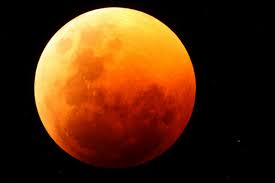
6.
This image is an example of 
a)
Lunar Eclipse
b)
New Moon
c)
Solar Eclipse
d)
Full Moon
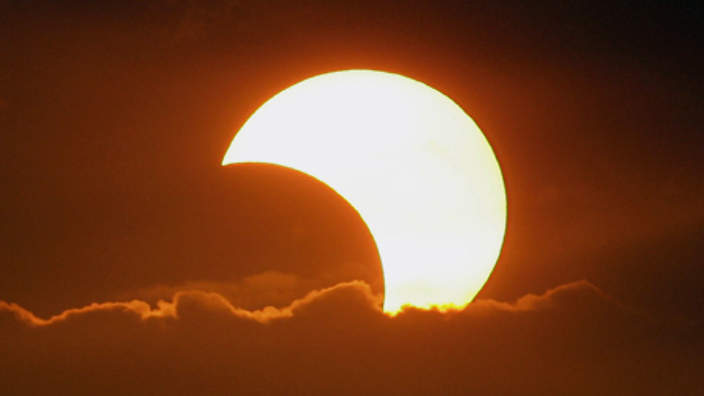
7.
This image is an example of
a)
Lunar Eclipse
b)
Full Moon
c)
New Moon
d)
Solar Eclipse
8.

What happens during a solar eclipse?

a)

The sun blocks the moon from Earth.

b)

The moon blocks the light from the sun from Earth.

c)

The Earth blocks the moon from the sun.

d)

The Earth blocks the light from the sun on the moon.
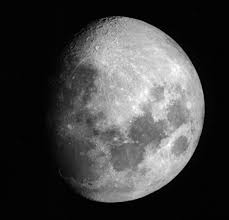
9.
What part of the moon do we see from Earth?
a)
all of it
b)
the same side
c)
none of it
d)
only one quarter
10.
The moon seems to change shape from day to day in a cycle that lasts about a month as it goes through _.
a)
revolutions
b)
phases
c)
rotations
d)
eclipses
11.
As the moon's shape appears to get smaller, we say that the moon is _.
a)
swelling
b)
waxing
c)
waning
d)
disappearing
12.
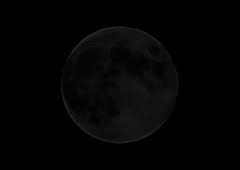
Which moon phase is when you can't see the moon at all?
a)
Waning crescent
b)
Full moon
c)
Waxing gibbous
d)
New moon
13.
Phases of the moon in which the moon appears to be getting larger are referred to as _.
a)
waxing
b)
waning
c)
new
d)
eclipse
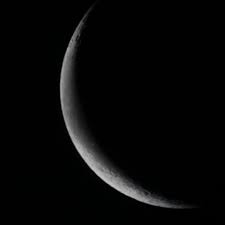
14.
Name the moon phase
a)
waning crescent
b)
waxing crescent
c)
waning gibbous
d)
waxing gibbous
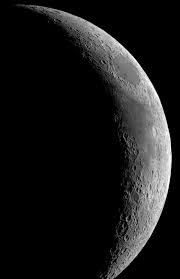
15.
Name the moon phase
a)
waning crescent
b)
waxing crescent
c)
waning gibbous
d)
waxing gibbous
16.
Name the moon phase
a)
waning crescent
b)
waxing crescent
c)
waning gibbous
d)
waxing gibbous
17.
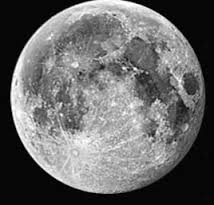
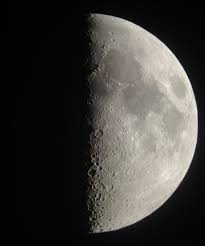
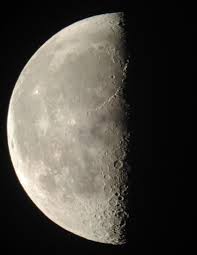
Name the moon phase
a)
First Quarter
b)
Last Quarter
c)
New Moon
d)
Full Moon
18.
Name the moon phase
a)
First Quarter
b)
Last Quarter
c)
New Moon
d)
Full Moon
19.
Name the moon phase
a)
First Quarter
b)
Last Quarter
c)
New Moon
d)
Full Moon
20.
Name the moon phase
a)
First Quarter
b)
Last Quarter
c)
New Moon
d)
Full Moon
21.
Name the phase of the moon for letter a
a)
First Quarter
b)
Last Quarter
c)
Waxing Gibbous
d)
Waning Gibbous
22.
How many phases does the moon have?
a)
7 phases
b)
5 phases
c)
I do not know
d)
8 phases
23.
The Moon gets its light from the
a)
Earth
b)
Stars
c)
Sun
24.
A[n] ______________ tide occurs when the sun is at right angles to the line between Earth and the moon. 
a)
high
b)
neap
c)
low
d)
spring
25.
Differences in the moon's and sun's pull on different sides of the Earth cause _________.
a)
gravity
b)
lunar phases
c)
tides
d)
dabbing
26.
A[n] ___________ tide occurs when the sun, Earth, and the moon are nearly in a line. 
a)
spring
b)
high
c)
low
d)
neap
27.
When the moon is at full moon or new moon, what type of tide will we experience?
a)
rip tide
b)
spring tide
c)
neap tide
d)
breaker tide
28.

Which letter shows Earth's position during summer in the Northern Hemisphere?

a)

A

b)

B

c)

C

d)

D

29.

Which letter shows Earth's position during winter in the Northern Hemisphere?

a)

A

b)

B

c)

C

d)

D

30.

When Earth's axis is tilted the most toward or away from the Sun, it is called__________________?

a)

equinox

b)

solar eclipse

c)

revolution

d)

solstice

31.

Hours of daylight and nighttime are equal during a(an) __________________________.

a)

equinox

b)

lunar eclipse

c)

solstice

d)

rotation

32.

Earth is closest to the sun in what month?

a)

January

b)

July

c)

March

d)

September

33.

What is the basic shape of every planet's orbit?

a)

Circle

b)

Square

c)

Ellipse

d)

Triangle