
 Worksheets
Properties of Water #2
Total questions: 10
Worksheet time: 50mins

Capillary action is the result of adhesion and cohesion. Which best describes adhesion and cohesion?
Adhesion: Water molecules can be attracted to other substances such as glass or xylem tubes in plants due to their polarity. Cohesion: Hydrogen bonds between the water molecules make them 'stick' together.
Adhesion: Hydrogen bonds between the water molecules make them 'stick' together. Cohesion: Water molecules can be attracted to other substances such as glass or xylem tubes in plants due to their polarity.
Adhesion: Hydrogen bonds between the water molecules make them 'stick' to other substances such as glass or xylem tubes in plants. Cohesion: Water molecules are repelled by each other and form a 'force field' type structure.
Adhesion: Water molecules are repelled by each other and form a 'force field' type structure. Cohesion: Hydrogen bonds between the water molecules make them 'stick' to other substances such as glass or xylem tubes in plants.

Why does ice float?
Water expands as it freezes and becomes more dense than water.
Water expands as it freezes and becomes less dense than water.
Water contracts as it freezes and becomes more dense than water.
Water contracts as it freezes and becomes less dense than water.

Water striders can walk across the surface of calm water. Their feet push the surface of the water down slightly, but they do not break the surface. Why?
The insects are light enough that they do not break the hydrogen bonds holding the water molecules together at the surface.
The insects actually use their wings to hover slightly above the water’s surface and they only skim it with their feet.
The insect’s feet are non-polar, so they are repelled by the polar water molecules and are pushed away from and therefore held up by the water’s surface.
The insects are small enough to see the individual water molecules, so they are able to step carefully from one molecule to the next.

Why can water have no net charge but have slight charges in different parts of the molecule?
The oxygen end is slightly negative and the hydrogen end is slightly positive
The hydrogen end is slightly negative and the oxygen end is slightly positive
The hydrogen ion is positive and the oxygen ion is negative
Because it is a non-polar molecule

Water is polar because.....
The unequal sharing of electrons gives the water molecule a slight negative charge near its oxygen atom and a slight positive charge near its hydrogen atoms.
The molecule has two poles, which one results in the poles being colder than other regions of the molecule.
The unequal sharing of electrons gives the water molecule a slight negative charge near its hydrogen atoms and a slight positive charge near its oxygen atom.
The water molecule is neutral and therefore the two poles cancel each other out.

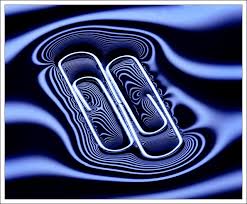
The tightness across the surface of water that enables paper clips to float called .....
adhesion
capillary action
surface tension
polarity
A water molecule is a ________ molecule, which has one oxygen that has a slightly __________ charge and two hydrogens that have a slightly ___________ charge due to ______________ sharing of electrons.
non-polar, positive, negative, equal
polar, positive, negative, unequal
polar, negative, positive, unequal
non-polar, negative, positive, equal
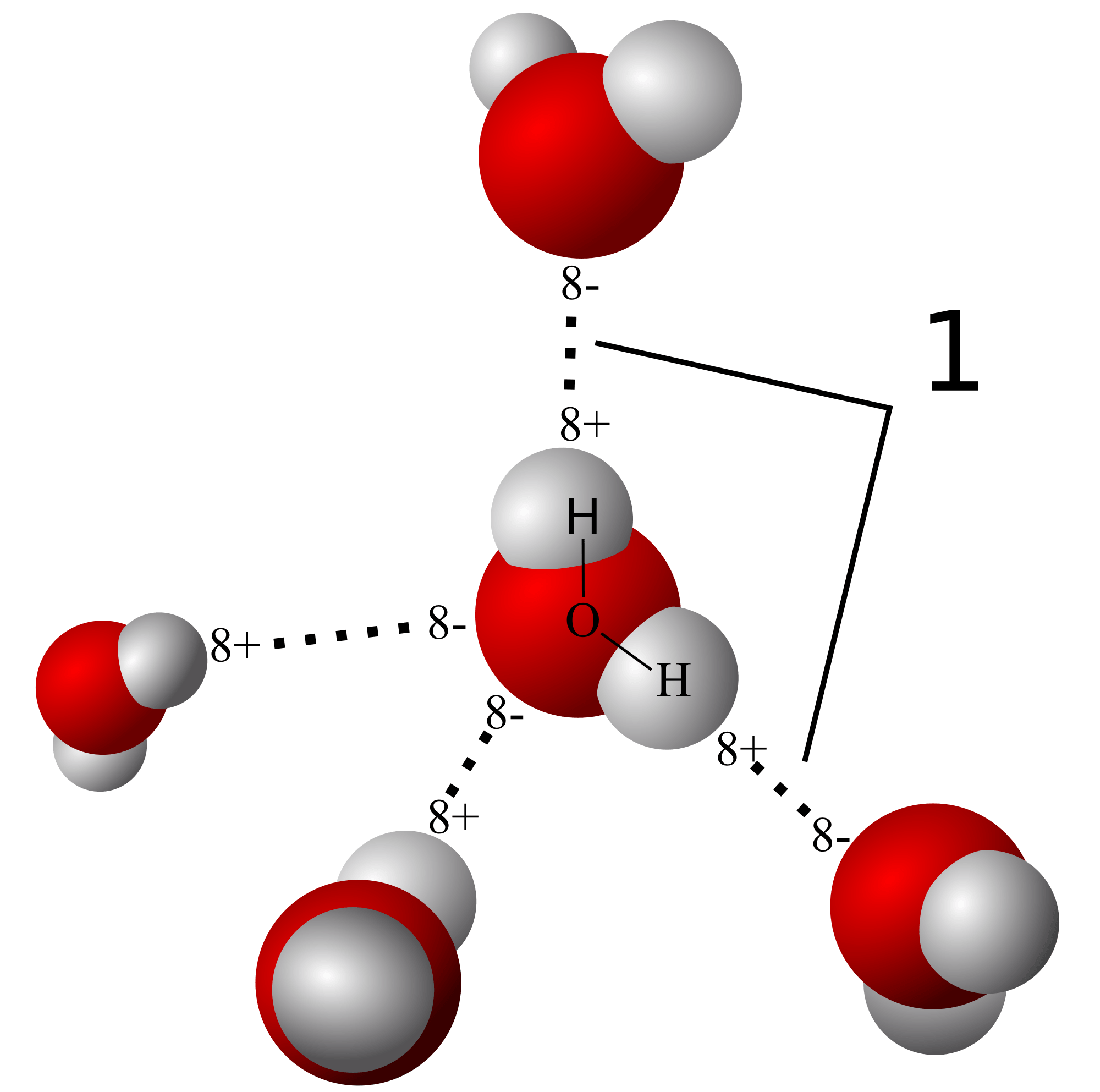
The attractions between water molecules are called ....
Covalent bonds
Ionic bonds
Polar bonds
Hydrogen bonds

The temperature of large bodies of water do not quickly fluctuate in temperature quickly, what can explain this?
Water is a solvent.
Water has a high specific heat capacity.
Water acts as a buffer.
Water is non-polar.

