wayground logo

Free Printable Worksheets

Font size

S
M
L
XL
Worksheets

systems so far

Total questions: 31

Worksheet time: 40mins

Name
Class
Date
1.

What do the red blood cells transport?

a)

Oxygen

b)

All of the answers provided are transported in blood

c)

wastes

d)

nutrients

2.
The circulatory system is made up of..
a)
heart, blood, capillaries
b)
heart, blood, plasma
c)
heart, blood, blood vessels 
d)
Heart, blood, lungs
3.
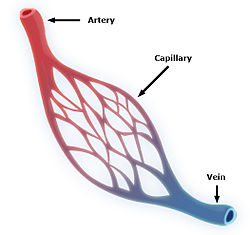
The smallest type of blood vessel is the:
a)
nerve
b)
vein
c)
capillary
d)
artery
4.

Which is the function of the Circulatory system?

a)

The system fights diseases, has phagocytes that destroy pathogens

b)

The system that circulates necessary materials and waste throughout the body

c)

Breaks down food into smaller pieces and absorbs those nutrients into the body.

d)

Provides shape and structure for the body. Produces red blood cells in the marrow

5.
Major function of the nervous system
a)
movement
b)
sensation
c)
thought
d)
all of these
6.
An example of involuntary movement would be:
a)
heart beating
b)
walking
c)
talking
d)
wiggling toes
7.
An example of voluntary movement would be:
a)
smiling
b)
heart beat
c)
digestion
d)
breathing 
8.
What are the parts of the integumentary system?
a)
Blood, blood vessels, heart
b)
Brain and spinal cord
c)
Hair, skin, and nails
d)
Bones and muscles
9.

The _______________ system has is a barrier from the external environment and provides protection against infection.

a)

respiratory

b)

integumentary

c)

cardiovascular

d)

muscular

10.

What is the endocrine system?

a)

senses the hormone levels in the blood

b)

controls all other endocrine glands

c)

A group of glands that work together produce chemicals that are secreted into the bloodstream

d)

decreases bone calcium levels

11.

The process by which an organism’s internal environment is kept stable in spite of changes in the external environment.

a)

Positive Feedback

b)

Negative Feedback

c)

Homeostasis

d)

Targeted Cells

12.

The chemical product of an endocrine gland.

a)

Homeostasis

b)

Hormone

c)

Nerve Cell

d)

Neurotransmitter

13.

What is the main function of the endocrine system?

a)

it creates chemicals that are sent around the body to maintain homeostasis

b)

it creates electrical messages that are sent around the body to maintain homeostasis

c)

it maintains the correct level of oxygen in the body to maintain homeostasis

d)

it releases waste from the body to maintain homeostasis
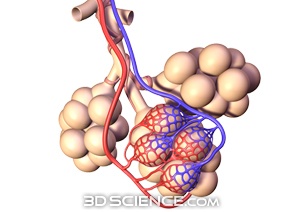
14.
When you breathe, your lungs take in ___ and remove ___. 
a)
air/oxygen
b)
oxygen/carbon dioxide 
c)
carbon dioxide/waste 
d)
waste/air 
15.
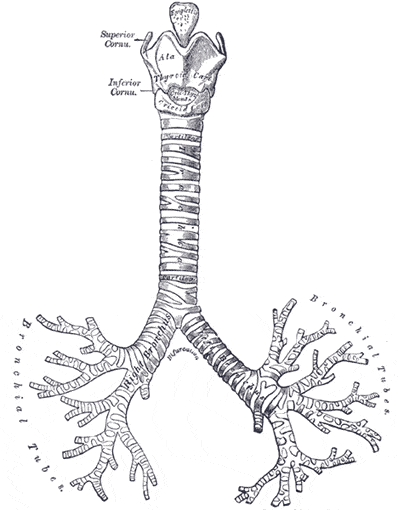
The two main branches from the trachea (one to each lung)
a)
bronchi
b)
alveoli
c)
capillaries
d)
bronchioles
16.
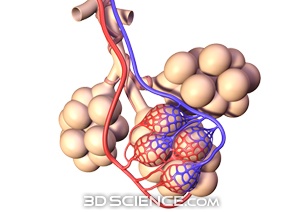
The air sacs that are covered with capillaries where gas exchange takes place
a)
bronchi
b)
lungs
c)
oxygen
d)
alveoli
17.
What organ is D pointing to?
a)
Ureters
b)
Bladder
c)
Urethra
d)
Kidney
18.
What organ is C pointing to?
a)
Ureters
b)
Bladder
c)
Kidney
d)
Urethra
19.
Which excretory organ filters the blood to remove excess water, urea, and cell wastes?
a)
Kidney
b)
Bladder
c)
Urethra
d)
Ureters
20.
The ____ is a sac-like muscular organ that stores urine until it is ready to be released from the body
a)
Stomach
b)
Bladder
c)
Urethra
d)
Gallbladder
21.
The excretory system rids the body of ______ waste.
a)
solid
b)
liquid
22.
What is the function of the excretory system?
a)
It's responsible for the elimination of waste by homeostasis. 
b)
Makes protein
c)
Transport of nutients, oxygen, and hormones to cells throughout the body and removal of metabolic wastes 
d)
Movement
23.

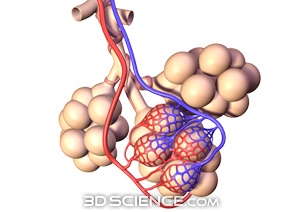
The air sacs that are covered with capillaries in which gas exchange takes place is called the

a)

bronchi

b)

lungs

c)

oxygen

d)

alveoli

24.
What is the main function of the respiratory system?
a)
to provide oxygen and remove carbon dioxide from the body
b)
to bring oxygen to the body
c)
to break down food and absorb nutrients
d)
to remove oxygen from the body and deliver carbon dioxide
25.

What is the function of this system?

a)

gas exchange with the environment

b)

Transport air from trachea to lungs

c)

break down food into useable nutrients

d)

control all the other system activities

26.
What is the function of this  system?
a)
Take in oxygen and release carbon dioxide
b)
Break apart nutrients into usable pieces of energy
c)
Transport nutrients and oxygen to the  body
d)
Provide movement for the body
27.
What are the main organs of gas exchange in the respiratory system?
a)
diapragm
b)
lungs
c)
trachea
d)
bronchi
28.
what three things does the digestive system do? 
a)
burns calories, eliminate waste, and helps you breath.  
b)
digest food, eat food, breaks up your food. 
c)
digest food, absorb nutrients, and eliminate waste. 
d)
makes nutrients, gets food into small particles,helps swallow food. 
29.
What does the Villi do?
a)
Digest's food
b)
Produces blood
c)
Aids in absorption 
d)
Kills germs
30.

Which system provides chemicals to regulate bone growth?

a)

skeletal system

b)

endocrine system

c)

integumentary system

d)

nervous system

31.

This system is responsible for carrying nutrients to the body as well as helping the body fight infections by transporting white blood cells. Which system is it?

a)

circulatory system

b)

nervous system

c)

digestive system

d)

endocrine system