wayground logo

Free Printable Worksheets

NEW

Font size

S
M
L
XL
Worksheets

INTRODUCTION TO WATER UNIT

Total questions: 18

Worksheet time: 15mins
Name
Class
Date
1.

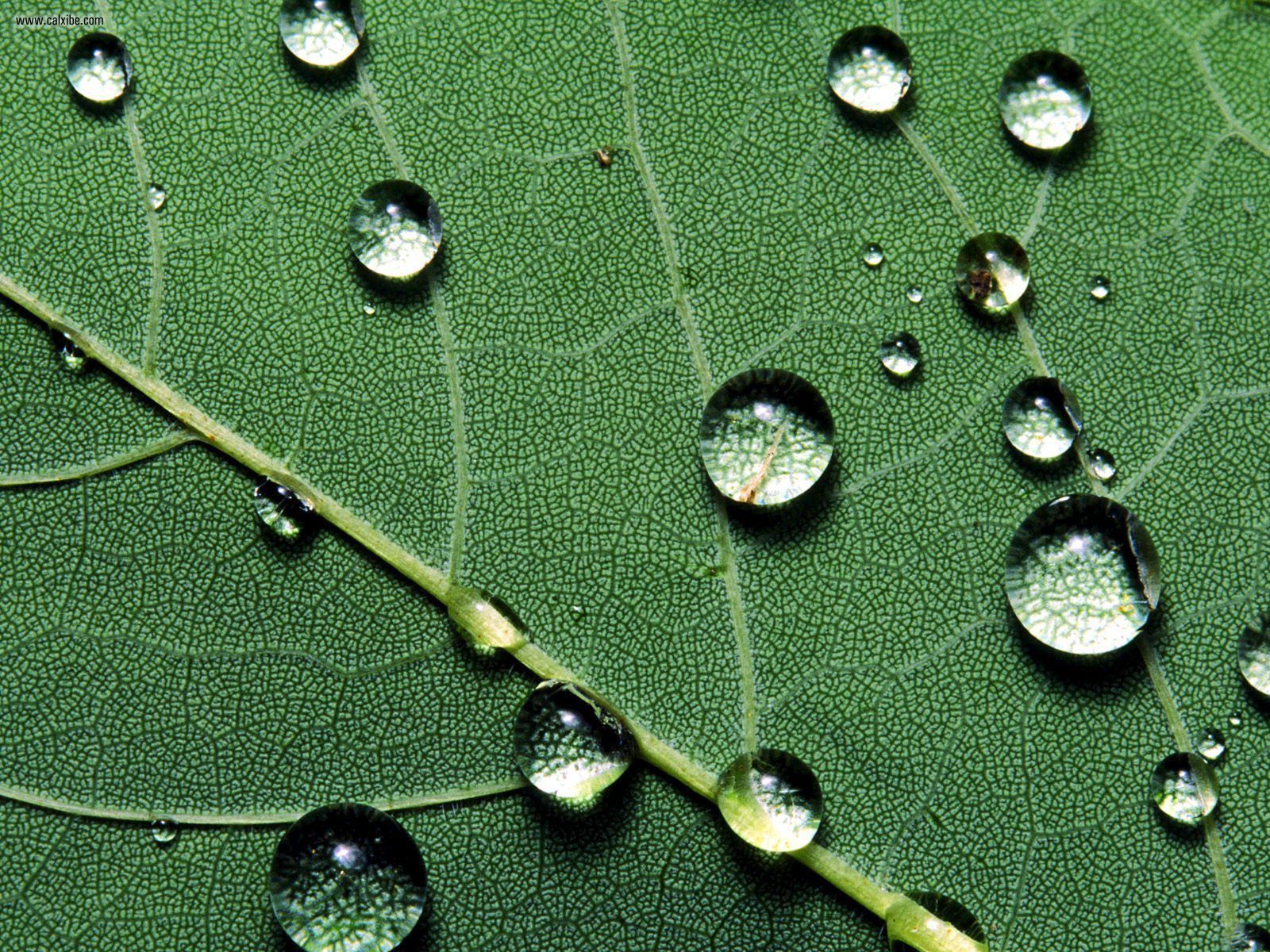
Refer to the picture of water sticking to a leaf; this is occurring because of:

a)

Adhesion

b)

Cohesion

2.

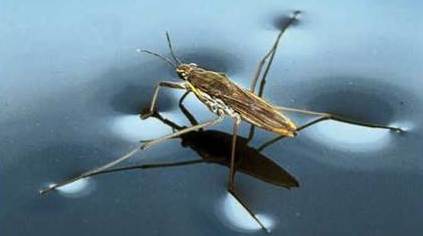
Refer to the picture; the water strider can walk over waters surface. This is occurring due to:

a)

Adhesion

b)

Cohesion

3.
Water is the universal solvent since it's:
a)
water
b)
such a small molecule 
c)
polar
d)
essential to life
4.

A substance made of two or more atoms that are joined together.

a)

Molecule

b)

Element

c)

Meniscus

d)

Surfactant

5.

A substance made of two or more different elements. Example: H2O, CO2

a)

Molecule

b)

Compound

c)

Surface Tension

d)

Surfactant

6.

A substance made of two or more different elements. Example: H2O, CO2

a)

Molecule

b)

Compound

c)

Surface Tension

d)

Surfactant

7.

Describe COHESION.

a)

Water molecules attracted to other substances.

b)

Water molecules climbing upwards against the force of gravity.

c)

Water molecules dissolving many substances because of its polarity.

d)

Water molecules attracted to other water molecules.

8.

Describe ADHESION.

a)

Water molecules attracted to other substances.

b)

Water molecules climbing upwards against the force of gravity.

c)

Water molecules dissolving many substances because of its polarity.

d)

Water molecules attracted to other water molecules.

9.

Describe SURFACE TENSION.

a)

Water molecules climbing upwards against the force of gravity.

b)

Water molecules dissolving many substances because of its polarity.

c)

Measure of how difficult it is to break the surface of a liquid.

d)

Water molecules attracted to other substances.

10.
What two elements make up water?
a)
Helium and oxygen
b)
Hydrogen and oxygen
c)
helium and carbon
d)
oxygen and carbon
11.
tendency of molecules of the same kind to stick to one another
a)
cohesion
b)
adhesion
c)
solution
d)
polar molecule
12.
molecule in which opposite ends have opposite electric charges
a)
cohesion
b)
polar molecule
c)
hydrogen bond
d)
solution
13.
Why does ice float?
a)
As water freezes, it expands and its density decreases.
b)
As water freezes, it takes up more hydrogen from the atmosphere, causing it to have a greater buoyancy.
c)
As water freezes, air becomes trapped between the hydrogen bonds of water molecules.
d)
As water freezes, it takes up more oxygen from the atmosphere, causing it to have a greater buoyancy.
14.
Which end of the water molecule has a slightly positive charge?
a)
the oxygen end
b)
the hydrogen end
c)
both ends are slightly positive
d)
neither end is positive
15.
Water is a universal solvent because it...
a)
It can be found anywhere
b)
It freezes when it gets cold
c)
floats when frozen
d)
Dissolves most substances
16.
Water beads up on the surface of a penny because of this property.
a)
Adhesion
b)
High Surface Tension
c)
Universal Solvent
d)
Changes in Density
17.
A general definition of cohesion is the attraction of:
a)
particles of the same substance
b)
particles of a different substance
c)
particles of both the same and different substances
d)
particles of neither the same or different substances
18.
Which term refers to water having partial positive and a partial negative charge?
a)
cohesion
b)
surface tension
c)
polarity
d)
adhesion