
NEW
Font size
 Worksheets
Oceans
Total questions: 10
Worksheet time: 5mins
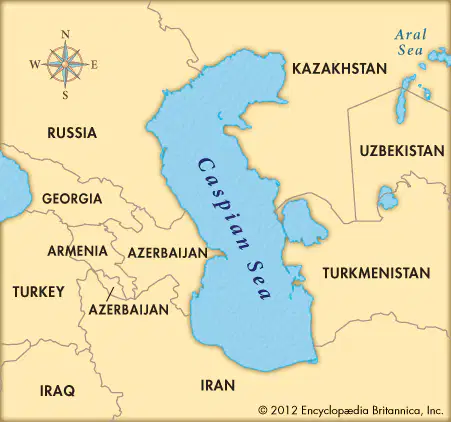
How is the Caspian Sea different from the Mediterranean Sea?
The Caspian Sea is part of the Atlantic Ocean; the Mediterranean is part of the Pacific Ocean
The Caspian Sea isn't directly connected to any ocean; the Mediterranean is
The Caspian Sea contains fresh water; the Mediterranean contains salt water
The Caspian Sea cannot support marine life; the Mediterranean supports a lot of marine life
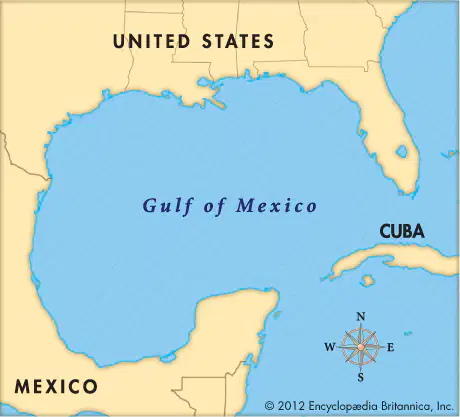
Which of the following bodies is part of the world ocean?
The Gulf of Mexico
The Mississippi River
Lake Michigan
Niagara Falls
In the movie, Tim says that the waters of the world ocean are "integral" to life on earth. What does "integral" mean?
Unnecessary
Deadly
Helpful
Essential
What might happen if warm and cool currents did not move through the ocean's waters?
Ocean temperatures would become either too hot or too cold to support life.
Climates on land might be extremely different.
There would be no ocean tides.
The pace of global warming would accelerate.

What powers the process of evaporation, by which salt water is turned into fresh water?
Ocean currents
Ocean tides
Heat from the sun
Photosynthesis, which is undergone by algae and other marine plants
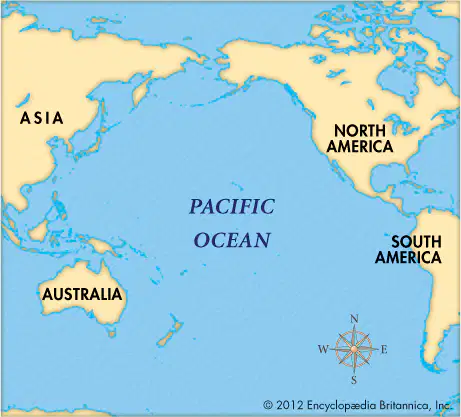
How does the Pacific Ocean compare to the world's other oceans?
It's the smallest
It's the largest
It's the hottest
It's the coldest

If you were visiting Asia during monsoon season, what object might you want to bring?
snow shoes
winter coat
rain coat
sun tan lotion

One direct effect of the Gulf Stream is that:
Northwestern Europe tends to be warmer than northeastern North America
Africa is the hottest continent on the planet
The climate of Australia is warm enough to support human life
Antarctica is the coldest continent on the planet
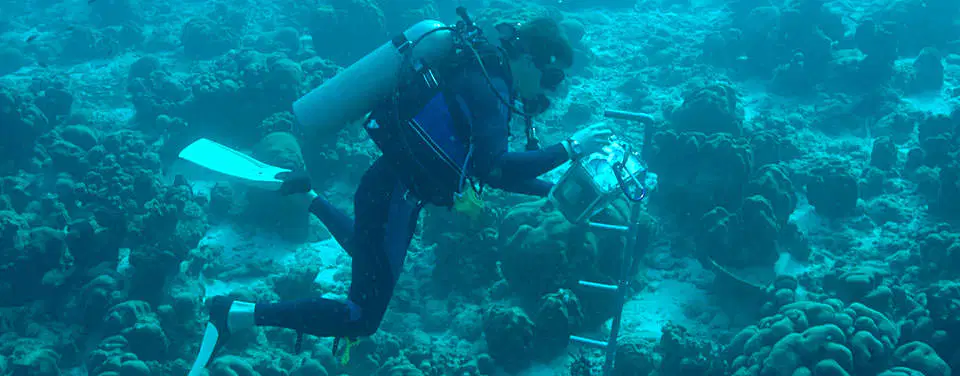
What do you call a scientist who studies the ocean for a living?
An oceanist
An oceanologist
An oceanographer
An oceananthropist
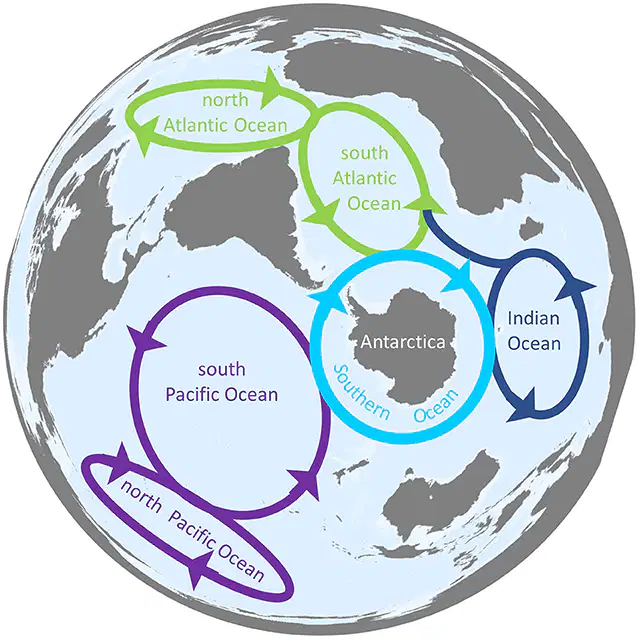
What can you infer about the Northern and Southern Oceans from the information presented in the movie?
They're deeper than the other oceans.
They're saltier than the other oceans.
They contain more life than the other oceans.
They're colder than the other oceans.

