wayground logo

Free Printable Worksheets

NEW

Font size

S
M
L
XL
Worksheets

Unit 3 Science Summative Review

Total questions: 61

Worksheet time: 2hrs 19mins

Name
Class
Date
1.

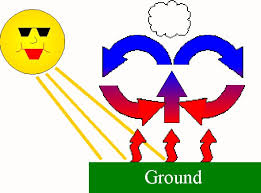
What is Convection

a)

Transfer of heat energy through direct contact.

b)

Transfer of heat energy through fluid and air in a circular cycle

c)

Transfer of heat energy through electromagnetic waves

2.

What global wind occurs at 90 degrees to 60 degrees

a)

Trade winds

b)

Prevailing westerlies

c)

Polar Easterlies

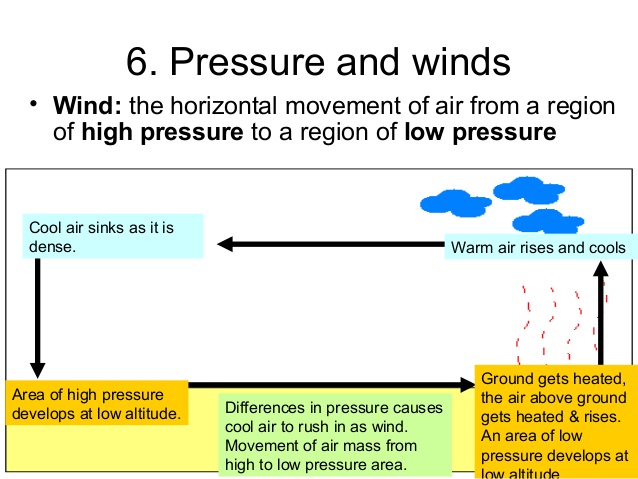
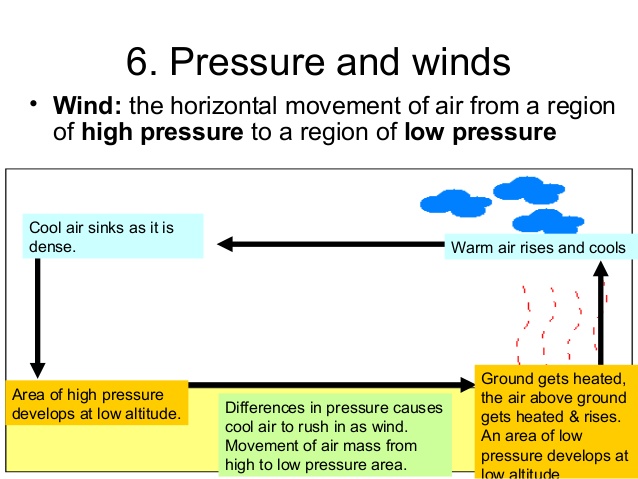
d)

Horse lattitudes

3.

What is conduction

a)

The transfer of heat energy through direct contact

b)

transfer of heat through electromagnetic waves

c)

Coriolis Effect

d)

Trade winds

4.
What kind of heat transfer happens when the sun is heating your body?
a)
Conduction
b)
Radiation
c)
Convection
d)
Density
5.
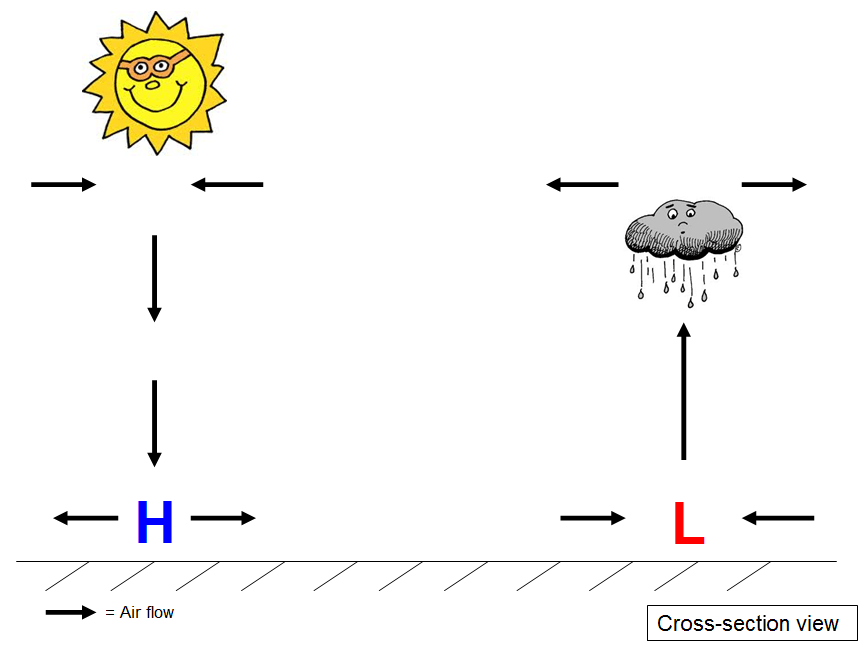
Which of the following is an example of convection?
a)
A hair dryer is drying up your hair.
b)
When the AC or heater changes the temperature.
c)
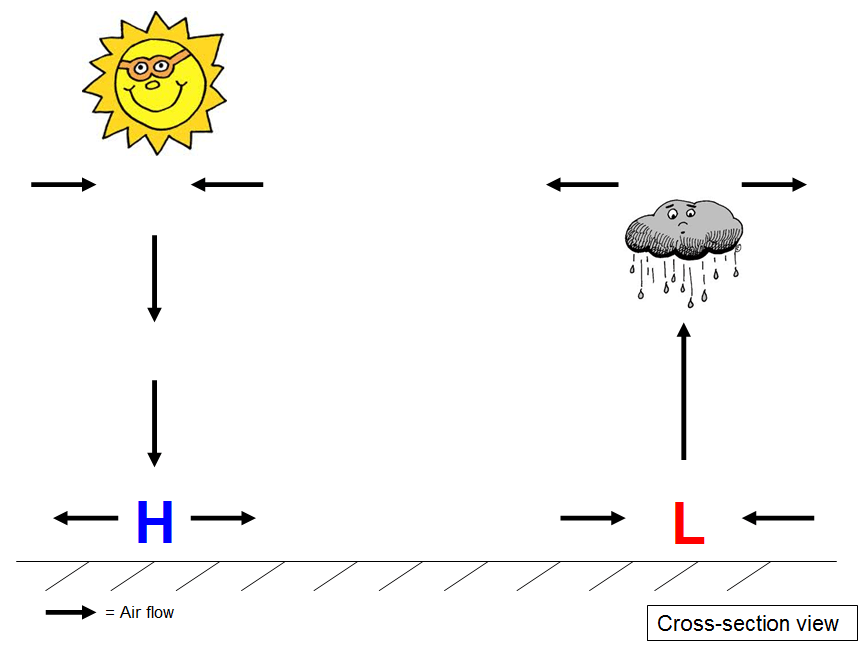
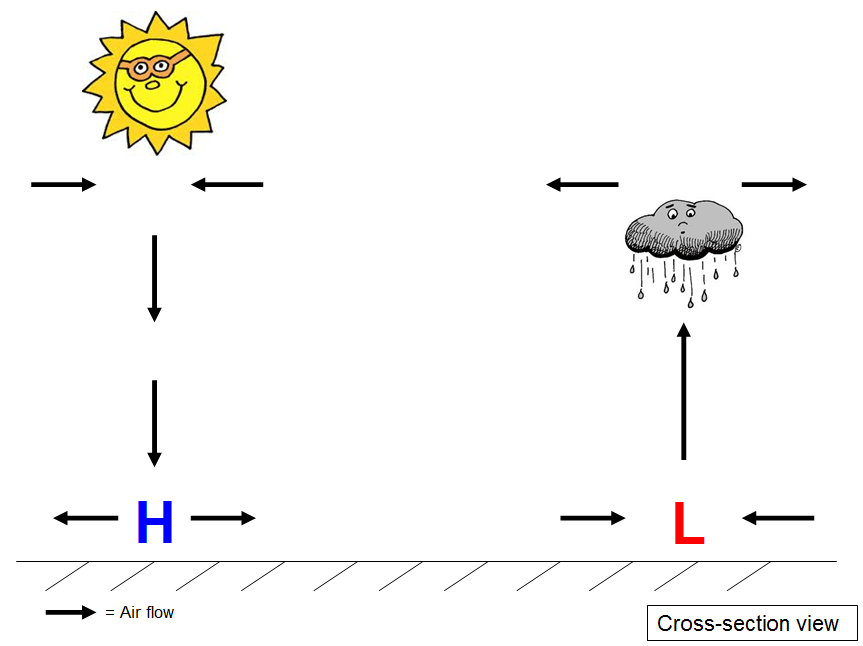
When a car engine turns hot after being turned on.
d)
When you are making soup and the water is rising and lowering.
6.
What heat transfer happens when you burn your hand by touching a fire?
a)
Radiation
b)
Conduction
c)
Convectio
d)
I don't know!!!!!!!!!!!
7.
Which of the following is needed for convection to happen?
a)
Fluid/s
b)
Light in the form or rays
c)
Electromagnetic waves
d)
Fire
8.
When a pot is  touching a stove that is on, what heat transfer is happening?
a)
I don't know??????
b)
Radiation
c)
Conduction
d)
Convection
9.
The way the heat is moving from the hot coffee is called...
a)
convection
b)
radiation
c)
insulation
d)
conduction
10.
Warm air rises and the cool air sinks demonstrates this type of heat transfer. 
a)
conduction
b)
convection
c)
radiation
d)
Insolation 
11.
The baby chickens are kept warm from the heat lamps demonstrates this type of heat transfer. 
a)
conduction
b)
convection
c)
radiation
12.
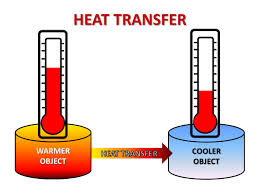
Heat transfers from an area of ____temperature to an area of ___ temperature.
a)
high to low
b)
low to high
c)
high to high
d)
It can travel high to low and low to high. 
13.
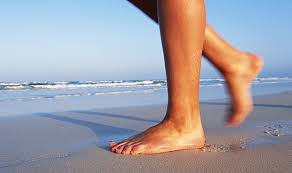
Walking on the warm sand sand with your bare feet demonstrates this type of heat transfer. 
a)
conduction
b)
convection
c)
radiation
14.
The Gulf Stream is a current that brings warm ocean water from the south to the north. What type of heat transfer is this?
a)
conduction
b)
convection
c)
radiation
d)
Insolation 
15.
Ironing a shirt is an example of...
a)
condensation
b)
conduction
c)
convection
d)
radiation
16.
Warm air is __________ dense than cold air and rises creating convection currents.
a)
more
b)
less
17.
A group of friends gather around a fire to stay warm.
a)
conduction
b)
convection
c)
radiation
18.
Transfer of thermal energy through "space"
a)
conduction
b)
convection
c)
radiation
19.

Transfer of thermal energy through "flow" of liquids and gases

a)

conduction

b)

convection

c)

radiation

20.
Transfer of thermal energy through "touch"
a)
conduction
b)
convection
c)
radiation
21.
Near the ceiling of a room the air is warmer.  The warm air rises because of
a)
conduction
b)
convection
c)
radiation
22.
A huge rock at the state park gets so hot during the day because of
a)
conduction
b)
convection
c)
radiation
23.
You get sunburned due to __________ from the sun.
a)
conduction
b)
convection
c)
radiation
24.
A chair is placed several feet from a fireplace.  The fireplace has a glass screen.  The side of the chair facing the fireplace gets warm because of 
a)
conduction
b)
convection
c)
radiation
25.
The cause of weather systems on earth is
a)
conduction
b)
convection
c)
radiation
26.
What type of winds blow constantly, predictably, and over long distances?
a)
land breezes
b)
mountain breezes
c)
global winds
d)
land breezes
27.
Where does the initial source of energy come from that creates winds?
a)
the moon
b)
the sun
c)
the Earth's surface
d)
the rotation of the Earth
28.
Land and water absorb and release the sun’s heat in different ways. One result of this is a sea breeze. Which statement is true of sea breezes?
a)
They originate in the day and blow toward the land.
b)
They originate in the day and blow toward the water.
c)
They originate in the evening and blow toward the land.
d)
They originate in the evening and blow toward the water.
29.
Which term is best described as the movement of air from land to sea?
a)
global winds
b)
sea breeze
c)
land breeze
d)
local winds
30.
The Coriolis effect causes ___________.
a)
the Earth to rotate on its axis
b)
continental deflection
c)
global winds and surface currents to move in a curved path instead of a straight line
d)
global winds and deep ocean currents to move in a curved path instead of a straight line.
31.
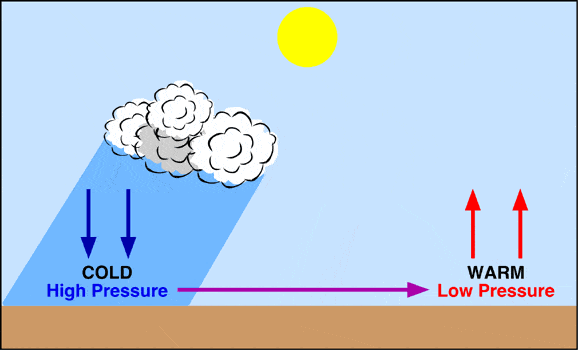
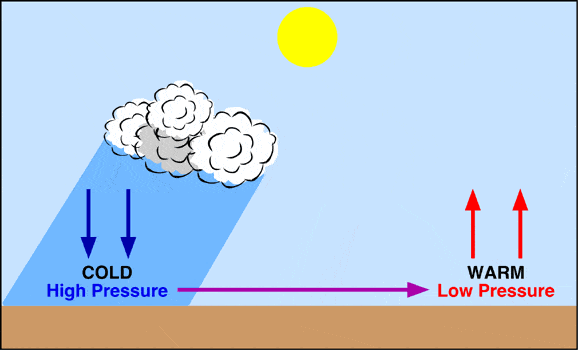
How do differences in air pressure affect the movement of air?
a)
Air always moves from areas of high pressure to areas of low pressure.
b)
Air always moves from areas of low altitudes to high altitudes.
c)
Air always moves from areas of low pressure to areas of high pressure.
d)
Air always moves from east to west.
32.
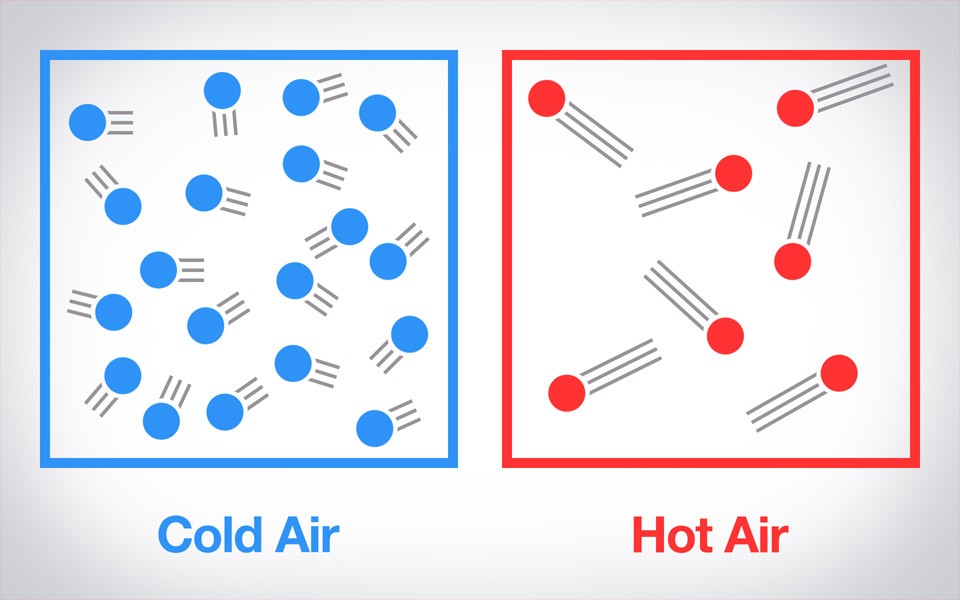
Which statement correctly describes the properties of cold air?
a)
less dense and less pressure than warm air
b)
more dense and more pressure than warm air
c)
more dense and less pressure than warm air
d)
less dense and more pressure than warm air
33.
Near the top of the troposphere is a narrow band of high speed winds called the______.
a)
westerlies
b)
jet stream
c)
trade winds
d)
local winds
34.
Why does warm air rise?
a)
Warm air is more dense than cooler air.
b)
Warm air has more pressure than cooler air.
c)
Warm air is less dense than cooler air.
d)
Warm air has a higher dew point than cooler air.
35.
The curving of air to the right in the Northern hemisphere is caused by ___________ and is called the _________ effect.
a)
Earth's rotation...Coriolis
b)
Earth's revolution...Coriolis
c)
Earth's rotation...Doppler
d)
Earth's revolution...Doppler
36.
Which global winds have the greatest impact on the weather in the US?
a)
trade winds
b)
prevailing westerlies
c)
doldrums
d)
polar easterlies
37.
Which statement correctly defines wind?
a)
Wind is the movement of air from areas of low pressure to areas of high pressure
b)
Wind is the movement of air to a colder area in the atmosphere.
c)
Wind is the movement of air from areas of high pressure to areas of low pressure.
d)
Wind is the movement of air pushed around and bouncing off Earth's surface.
38.
Which diagram shows the formation of a land breeze?
a)
diagram Y
b)
diagram X
c)
neither 
d)
both
39.
Which diagram shows the formation of a sea breeze?
a)
diagram Y
b)
diagram X
c)
neither
d)
both
40.
In which direction do prevailing westerlies flow?
a)
from east to west
b)
from west to east
c)
from north to south
d)
from south to north
41.
Which global winds directly effect weather in the U.S.?
a)
Trade Winds
b)
Prevailing Westerlies
c)
Polar Easterlies
d)
Doldrums
42.
The tropical winds running from 0 to 30 degrees latitude are called:
a)
subtropical westerlies
b)
polar westerlies
c)
trade winds
d)
polar winds
43.
Warm, rising air at the Equator forms a calm, weak wind called the:
a)
Doldrums
b)
Trade Winds
c)
Polar Easterlies
d)
Westerlies
44.
Cool, sinking air at 30 degrees North create a pressure belt known as the:
a)
Trade Winds
b)
Doldrums
c)
Horse Latitudes
d)
Westerlies
45.

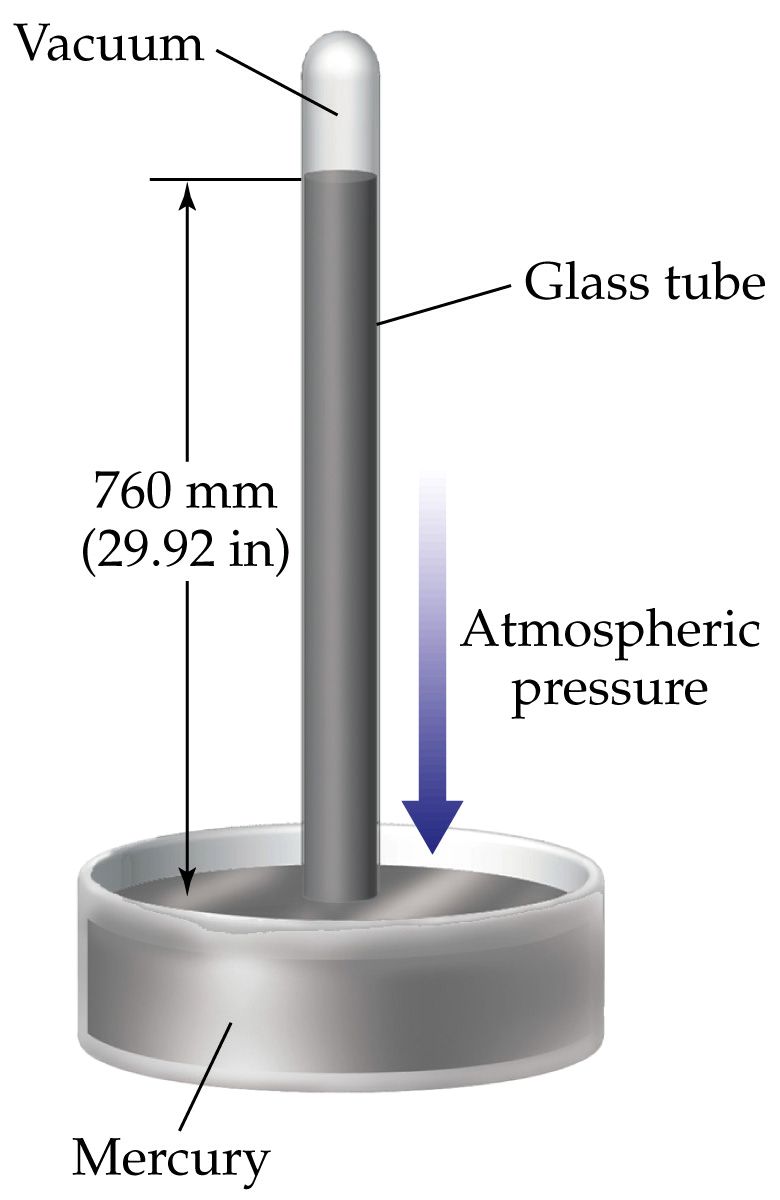
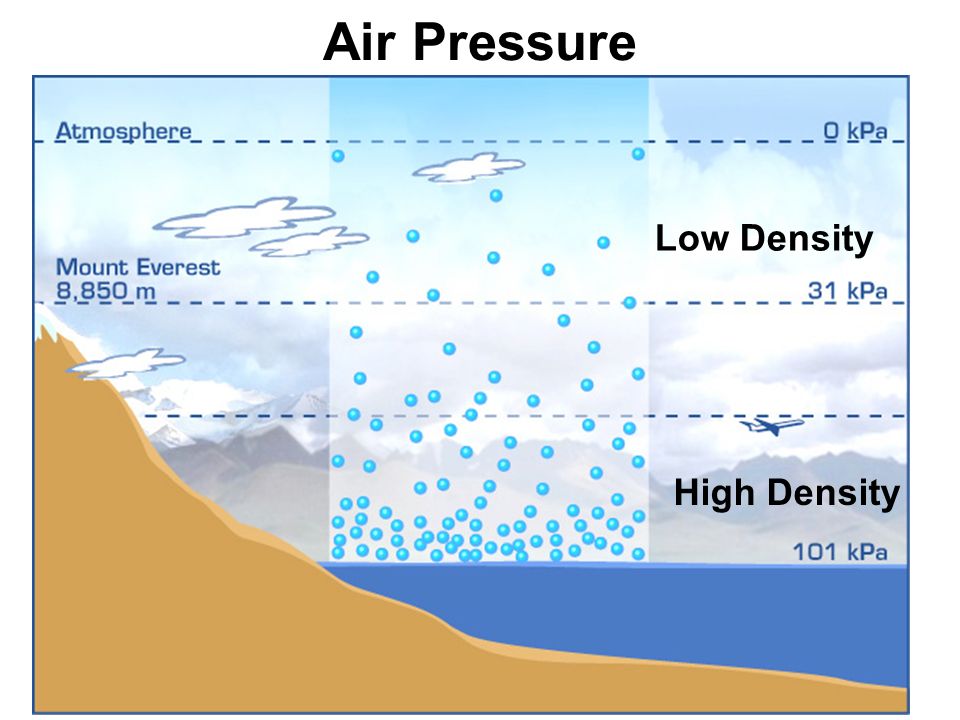
This is the weight or force of the atmosphere pressing down on Earth's surface

a)

Air Pressure

b)

Density

46.

A device that is used to measure atmospheric pressure is a ___________.

a)

barometer

b)

thermometer

c)

kilometer

d)

micrometer

47.

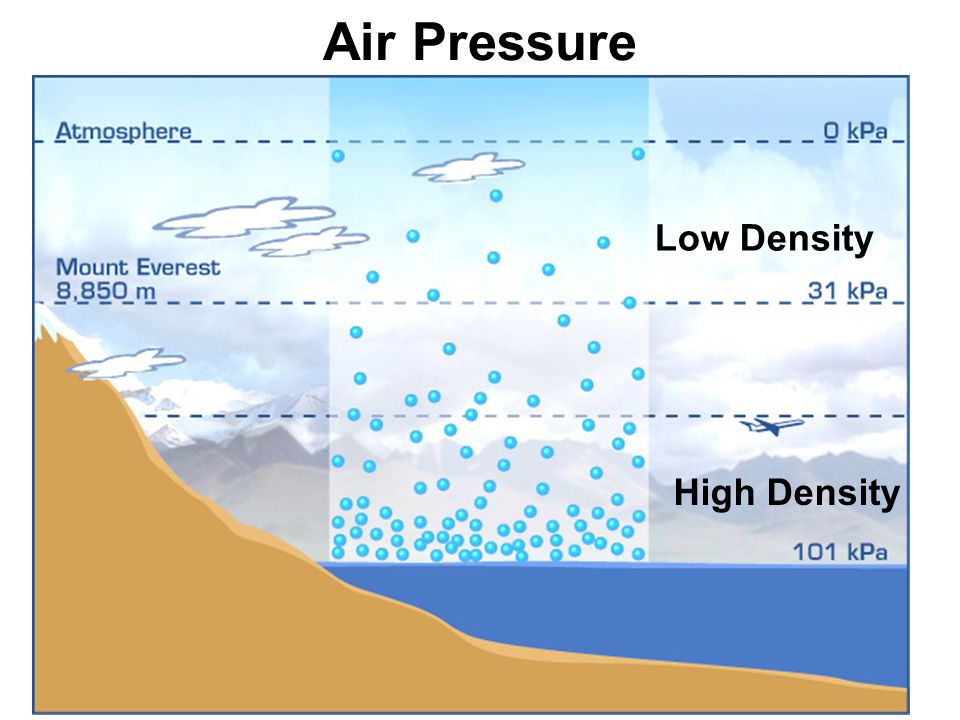
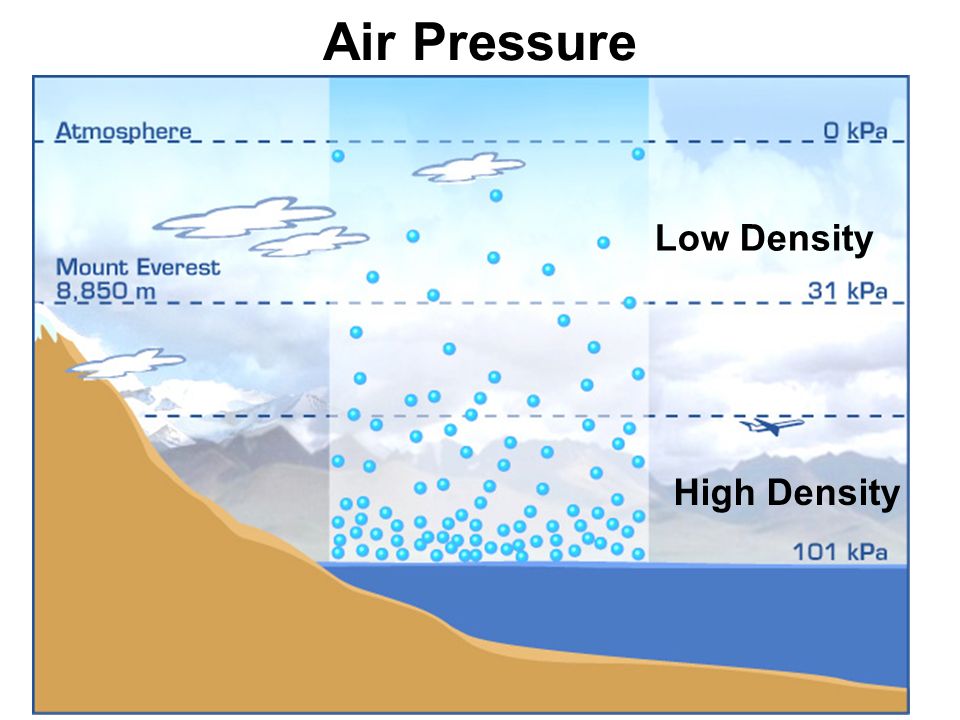
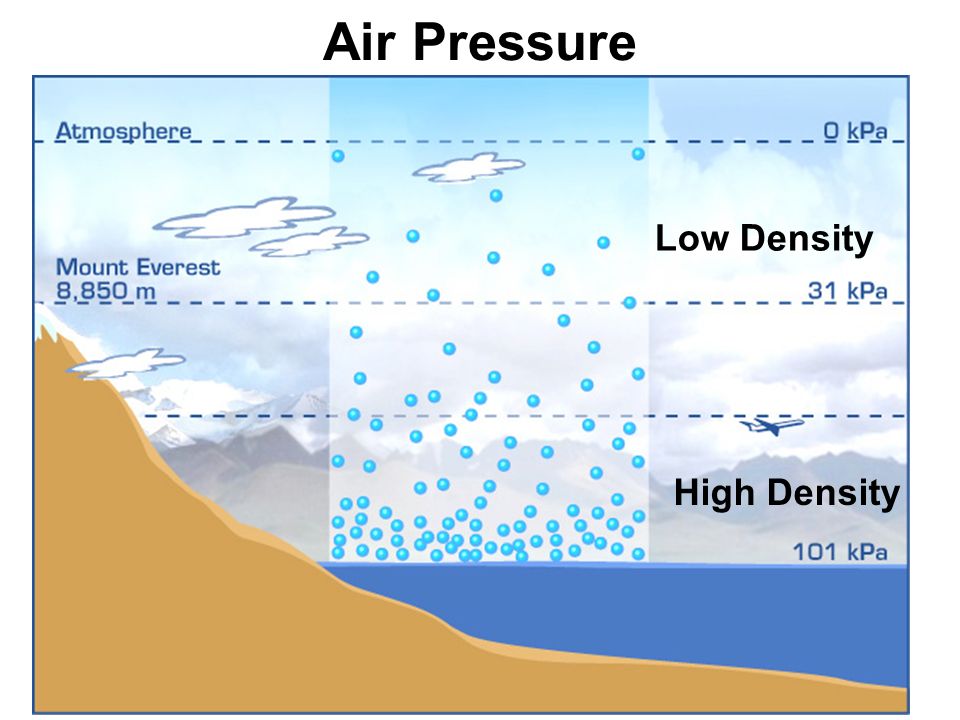
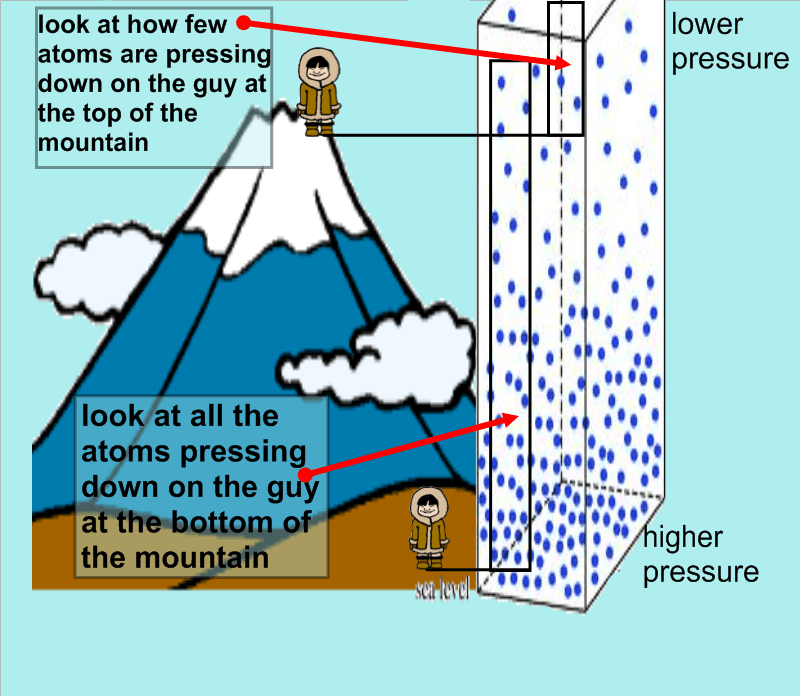
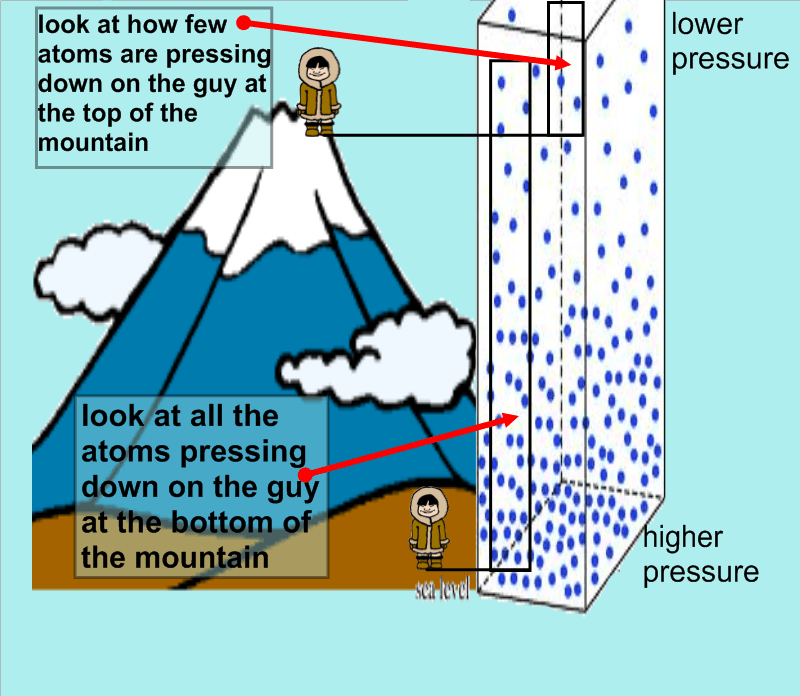
Air pressure is greater _______.

a)

at the top of the mountain

b)

at the bottom of the mountain

c)

at the center of the mountain

48.

What happens to air pressure as you move upward into the atmosphere?

a)

air pressure increases

b)

air pressure decreases

c)

air pressure stays the same

49.

This is how compact molecules are in a solid liquid or gas

a)

Air Pressure

b)

Density

50.

What is altitude?

a)

how much something weighs

b)

the distance above sea level - the distance above Earth's Surface

c)

how big something is

51.

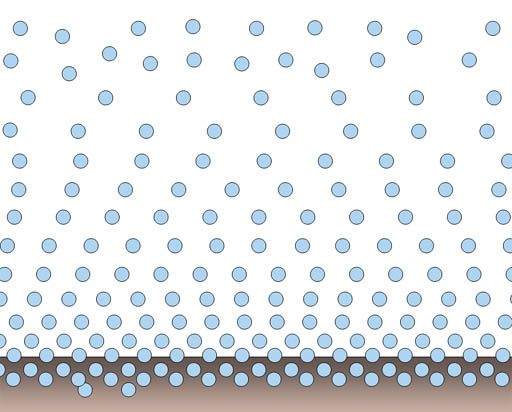
What happens to the amount of oxygen molecules as altitude increases?

a)

fewer molecules

b)

more molecules

c)

same amount of molecules

d)

nothing happens to the molecules

52.

The movement of air caused by a difference in air pressure is called..

a)

Rain

b)

Wind

c)

Air

53.

Cold air is more_____ than warm air

a)

Dense

b)

Stale

c)

Colorful

54.

A low pressure system usually causes

a)

Clearing Weather - sun

b)

Lousy Weather - clouds

c)

Fair Weather - dry and clear skies

55.

Air pressure decreases as what increases

a)

Water Vapor

b)

Altitude

c)

Radiation

56.

As the air is warmed how does it density change?

a)

It increases and skins

b)

It Remains the same

c)

It decreases and rises

57.

What is caused by differences in air pressure?

a)

Time

b)

Precipitation

c)

Clouds

d)

Wind

58.

The ________ the difference in pressure, the __________ the wind speed.

a)

greater, slower

b)

less, faster

c)

greater, faster

59.

What causes differences in air pressure?

a)

Coriolis effect

b)

rain amount

c)

snow amount

d)

solar radiation - amount of sunlight

60.

_______ pressure systems are characterized by clear, sunny skies

a)

High

b)

Low

61.

_______ pressure systems are characterized by cloudy, rainy weather.

a)

High

b)

Low