
Font size
 Worksheets
Biogeography and Natural Selection
Total questions: 25
Worksheet time: 21mins
What is is the study of how and why plants and animals live where they do?
Evolution
Adaptive Radiation
Biogeography
Biogeology

All primates have the following features EXCEPT:
large brains
arms that rotate at the shoulders
grasping hands
bipedalism
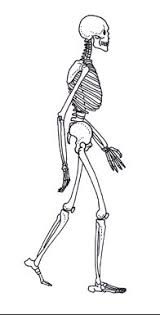
The ability to walk upright on two legs is called:
bipedalism
quadropedalism
bicyclepedalism
tripedalism
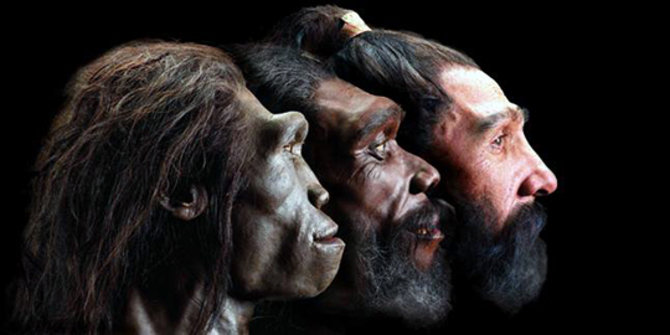
Modern humans and their closest relatives (gorilla, chimpanzee, and organgutan) belong to the same family. Members of this family are called:
hominids
primates
homo sapiens
Lucy
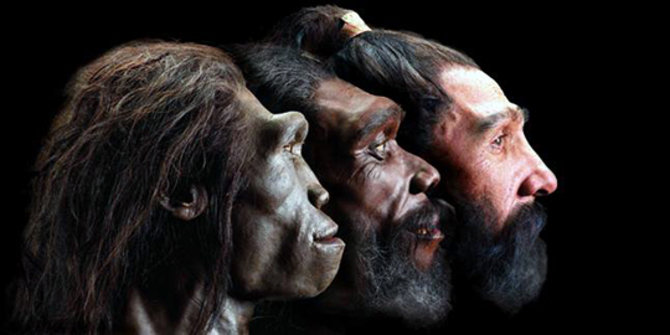
Which hominid species is most closely related to Homo sapiens?
Homo habilis
Australopithecus afarensis
Homo neanderthalensis
Homo heidelbergensis

This helps primates to find ripe fruits and more nutritious leaves.
grasping hands
slow growth
large brain
color vision

Primates grow slowly and have fewer offspring because...
Large brains take longer to develop
They are larger than most other mammals
Primates have color vision and grasping hands
Primates are just cool like that
What is evolution?
When animals move to warmer climates in the winter
How organisms change across many generations
The migration of different species through the seasons
Ancient rock layers and the fossils they contain
Why was having a larger brain advantageous for early hominins?
It made them able to walk upright
It helped them to see better
It increased intelligence and helped them hunt and survive
It prevented them from making dangerous weapons
According to the theory of evolution, which of the following statements is true?
Humans evolved from chimpanzees
Chimpanzees evolved from humans
There is no evolutionary relationship between humans and chimpanzees
Humans and chimps evolved from common ancestors
If the fossil record of human evolution is incomplete, why do scientists still believe humans evolved from ape-like ancestors?
Because existing evidence in the fossil record strongly suggests it
Because scientists make a lot of money by promoting the theory of evolution
Because the theory of evolution is more than 100 years old, which means it must be correct
Because humans and apes look similar to one another
If you wanted to excavate fossils of the earliest human ancestors, to what country might you travel?
Australia
China
Africa
Madagascar
Which group contains lemurs, monkeys, gorillas, and humans?
primates
anthropoids
hominoids
hominins
There have been many species of humans.
A/An (orangutan / human / gorilla / kangaroo) is not a hominid.
Kangaroo
Human
Gorilla
Orangutan
Lemurs are found on the island of:
Australia
Sulawesi
New Guinea
Madagascar
Lemurs are thought to have arrived on the island by having:
Rafted over the water
Swung through trees
Hopped aboard a cargo ship
Evolved from dinosaurs
What happened to all of the other ancient human-like species that we find fossil skeletons of? Why aren't they alive today?
Homo sapiens outcompeted them for food and killed them off whenever possible
they all went extinct on their own due to lack of adaptations for survival
they never went extinct, but instead mated with one another and mixed into the gene pool of Homo sapiens
Scientists do not know for sure, but any of these answers are possible answers
Who is Turkana Boy?
the very first Homo sapien to walk Earth
the only full fossil skeleton ever found of a Homo erectus - he was a young boy
an ancient neanderthal full grown man that reproduced with Homo sapiens
the scientist who discovered the first ever fossil skeleton of a Homo sapien in Turkana Valley, Africa

