
 Worksheets
The Earth in the Universe
Total questions: 26
Worksheet time: 13mins

What's the name of our galaxy?
Andromeda
Orion
The Rosy Way
The Milky Way
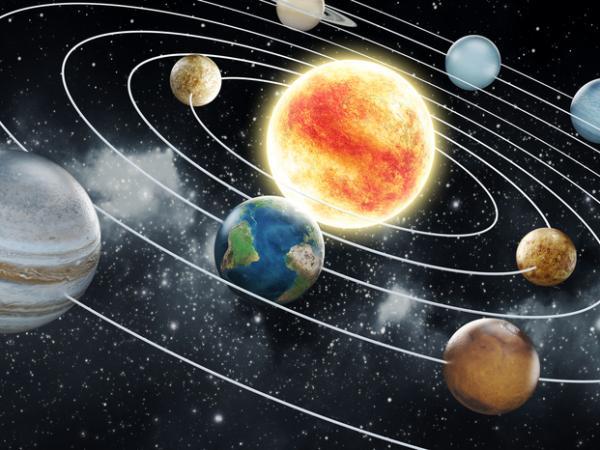
Which are the four gaseous planets?
Jupiter, Saturn, Uranus, Neptune
Jupiter, Saturn, Uranus, Pluto
Mercury, Venus, Earth , Mars
Ethan, Arik, Ashar, Jovan
What is the difference between inner and outer planets?
Outer planets are made of gases and inner planets are made of rock and metal
Inner planets are bigger than outer planets
Outer planets are smaller than the inner planets
Outer planets are made of rock and inner planets are made of gases

What is the Sun?
It is a satellite
It is a star
It is a comet
It is a planet

What is this?
The Moon
The Sun
The Earth
A star
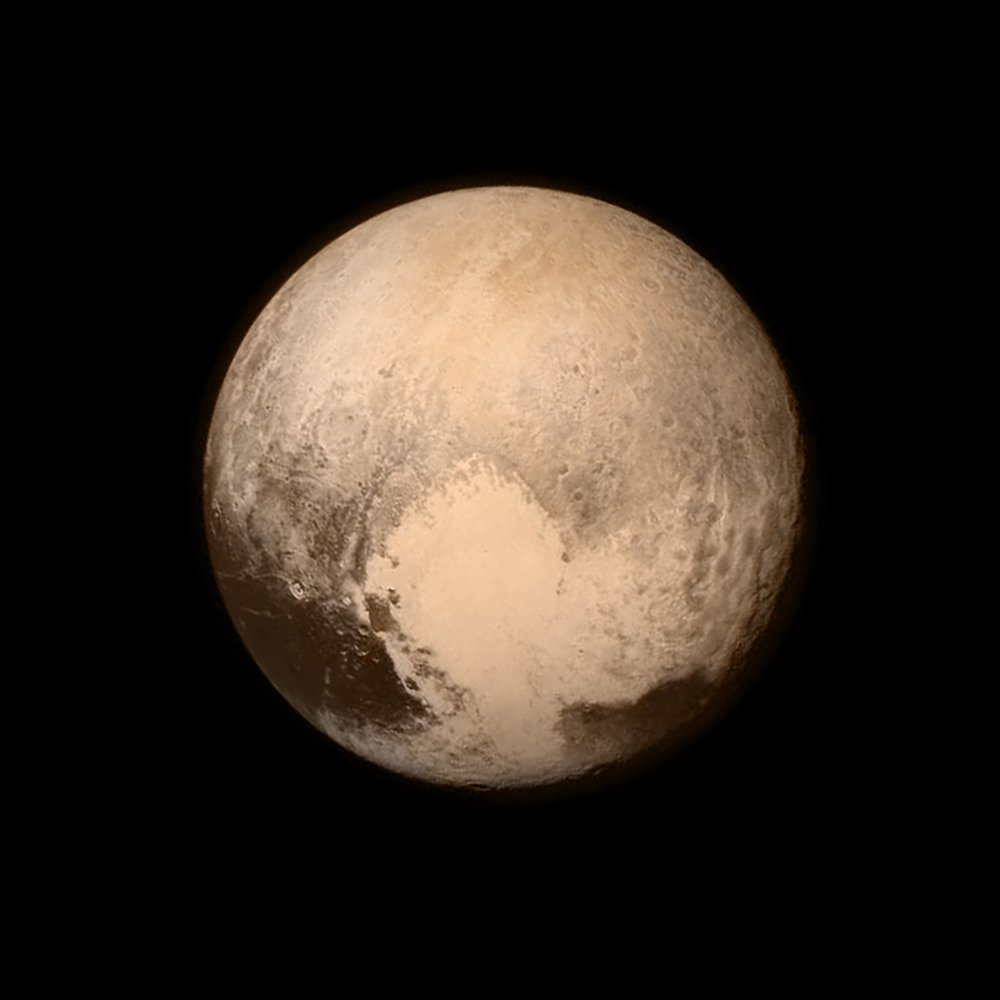

What is this?
A star
The Sun
The Earth
The Moon
How long does it take the Earth to do the rotation movement?
365 days
24 hours
24 hours + 6 hours
28 days
How long does it take the Earth to do the revolution movement?
365 days
24 hours
24 hours + 6 hours
28 days
What happens to our day and night hours on December 21st (Winter Solstice)?
Days are longer and nights are shorter.
Days and nights are 12 hours.
We probably have eclipses.
Days are shorter and nights are longer.
What happens to our day and night hours on June 21st (Summer Solstice)?
Days are shorter and nights are longer.
Days and nights are 12 hours.
We probably have eclipses.
Days are longer and nights are shorter.
What happens to our day and night hours on September 21st (Fall Equinox)?
Days are shorter and nights are longer.
Days and nights are 12 hours.
Days are longer and nights are shorter.
That day is always an eclipse.

We see the whole moon during...
New moon phase
Full moon phase
During a solar eclipse, where is the moon?
The moon is between the sun and the earth.
The moon is full.
The Earth is between the sun and the moon.
It is foggy.
During a solar eclipse, what happens?
The Sun's shadow falls on the Moon.
The Earth's shadow falls on the Moon.
The Moon's shadow falls on the Sun.
The Moon's shadow falls on the Earth.
During a lunar eclipse, what happens?
The Earth's shadow falls on the Moon.
The Sun's shadow falls on the Moon.
The Moon's shadow falls on the Earth.
The Moon's shadow falls on the Sun.

According to the image...
It's summer in the northern hemisphere and winter in the southern hemisphere
It's autumn in the northern hemisphere and spring in the southern hemisphere
It's winter in the northern hemisphere and autumn in the southern hemisphere
It's spring in the northern hemisphere and autumn in the southern hemisphere

What is an eclipse?
the Earth's rotation
the moon orbit around the Earth
the total or partial obscuring of one celestial body by another
How many hours are there between the low tide and the high tide?
4
12
6
24
Sea tides are due to the gravitatory influence of...
The Sun
The Moon
The Moon and specially the Sun
The Sun and specially the Moon
Spring tides occur when...
The Earth, the Sun and the Moon are aligned
The Earth, the Sun and the Moon formed a right angle
Neap tides occur when...
The Earth, the Sun and the Moon are aligned
The Earth, the Sun and the Moon formed a right angle

