
 Worksheets
Art I Midterm Exam
Total questions: 55
Worksheet time: 2hrs 8mins
The Basic components, or building blocks of art are?
principles of art
technique
elements of art
style
ingredients of art
The path of a moving point is:
value
dot
texture
line
pattern
The art element interpreted by our sense of touch is:
color
value
texture
line
pattern
A flat area, defined by a boundary is:
value
shape
form
mass
space
The response of our vision to reflected wavelengths of light is:
value
shape
form
color
intensity
The measurable distant between two established points is:
texture
color
value
space
The lightness or darkness of a color or neutral:
Value
color
form
space
Lines can be used to:
create texture
create value
suggest mood
all of the above
Short- long,smooth-fuzzy, thick-thin, zigzag-serpentine,are examples of the _________________ of line
physical characteristics
emotional qualities
inferences
unity
Calm, excited, active, serene, poised, formal, are examples of the _________________________of line.
physical characteristics
emotional qualities
energy
variety

What line is shown in the image?
Spiral
horizontal
vertical
zigzag
diagonal

What line is shown in the image?
Spiral
horizontal
vertical
zigzag
diagonal

What line is shown in the image?
Spiral
horizontal
vertical
zigzag
diagonal

What line is shown in the image?
Spiral
horizontal
vertical
zigzag
diagonal

What line is shown in the image?
Spiral
horizontal
vertical
zigzag
diagonal

Name the illustration in the image.
cross-hatch
black to white scale
value scale
stippling
dottism

Name the illustration in the image.
cross-hatch
black to white scale
value scale
stippling
dottism

Name the illustration in the image.
cross-hatch
black to white scale
value scale
stippling
dottism

What shapes are in the image?
Geometric
Organic

What shapes are in the image?
Geometric
Organic
A picture plane is:
the ingredients/building block of art.
the surface of a drawing or painting
a work of art that shows natural scenery such as mountains, trees, and lakes.
the arrangement of the elements of art.
an arrangement of non-moving objects that are the subject of a work of art.
A landscape is:
the ingredients/building block of art.
the surface of a drawing or painting
a work of art that shows natural scenery such as mountains, trees, and lakes.
the arrangement of the elements of art.
an arrangement of non-moving objects that are the subject of a work of art.
The elements of art are:
the ingredients/building blocks of art.
the surface of a drawing or painting
a work of art that shows natural scenery such as mountains, trees, and lakes.
the arrangement of the elements of art.
an arrangement of non-moving objects that are the subject of a work of art.
The principles of design are:
the ingredients/building block of art.
the surface of a drawing or painting
a work of art that shows natural scenery such as mountains, trees, and lakes.
the arrangement of the elements of art.
an arrangement of non-moving objects that are the subject of a work of art.
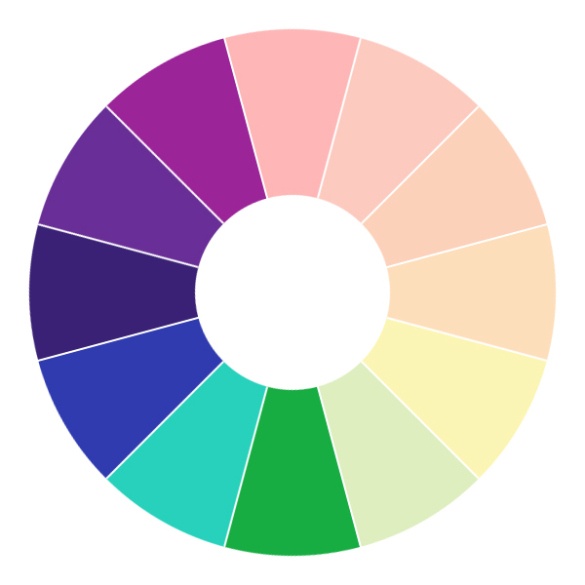
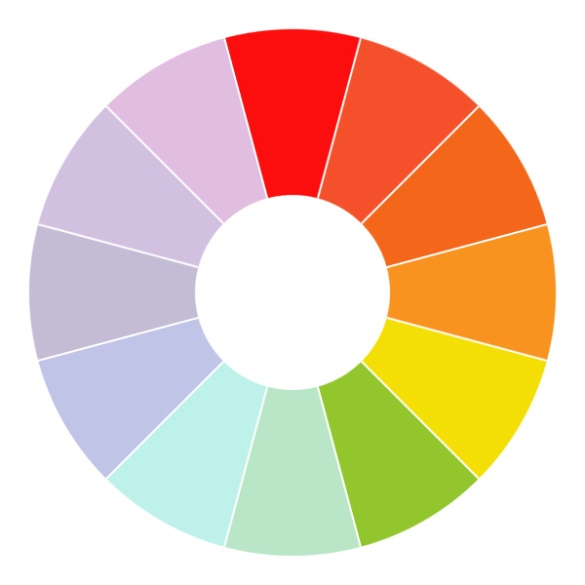
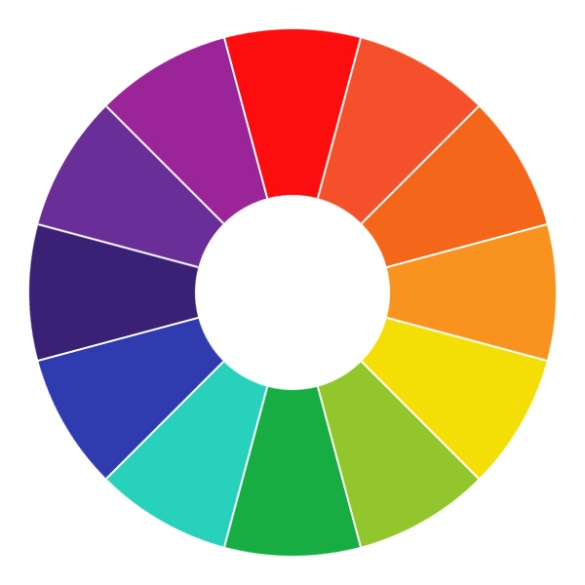
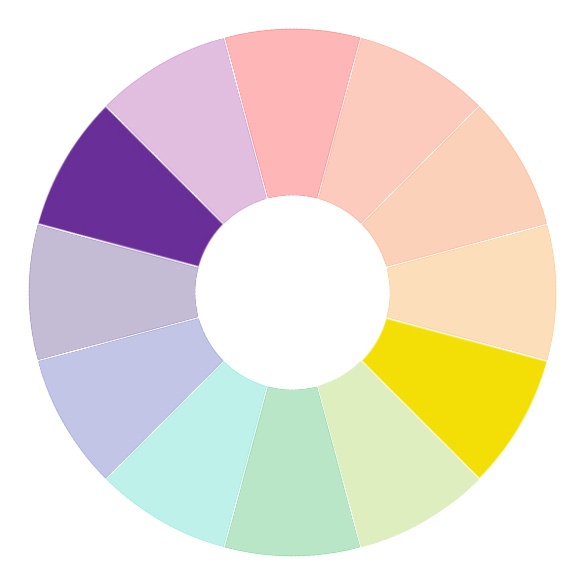
Red, yellow, and blue are the ____________ colors.
primary
secondary
tertiary
complementary
analogous
Orange, violet, green are the______________________colors.
primary
secondary
tertiary
complementary
split-complementary
Yellow-orange is an example of a ________________color.
primary
secondary
tertiary
complementary
split-complementary
Secondary colors are made of:
mixing all colors
mixing equal parts of two complementary colors.
mixing equal parts of two primary colors.
adding white to primary colors.
Any three colors equidistant on the color wheel form a:
color wheel
triad
complement
neutral colors
An example of a triadic color scheme would be:
red, yellow, and blue
red,violet, green
yellow-orange, blue, green
gray,black and white
In an analogous color scheme, the colors are:
in the same color family
side-by-side on the color family
neighbors on the color wheel.
all of the above
Blue, blue-green,and blue-violet are examples of-
monochromatic colors
analogous
complementary
neutral colors
Any color plus white equals:
tint
neutral
shade
a color never seen before
Any color plus black equals:
tint
neutral
shade
a color never seen before
Select all the warm colors from the list.
red
yellow orange
yellow
green
blue violet
Select all of the cool colors listed below.
yellow-orange
blue-violet
yellow
green
violet

What is in the foreground of this picture.
Mona Lisa/person
Trees, river
Sky
What is in the middle ground of this picture.
Mona Lisa/person
Trees, river
Sky
What is in the background of this picture?
Mona Lisa/person
Trees, river
Sky

What line is shown in the image?
Spiral
horizontal
vertical
zigzag
diagonal
Triangles, squares, and circles are examples of what types of shapes?
Organic
Geometric
Radial
Formal
Another name for an organic shape is...
Rigid
radial
biomorphic
geometric
curved
Using colors together in an organized way is called a:
color technique
crayon
color scheme
neutral
Significant edges and internal lines are represented in great detail in this type of drawing.
contour drawing
gesture
sketching
value studies
A line drawing done when the artist only looks at the object is called a ___________ drawing.
modified contour
blind contour
expressive line drawing
continuous line drawing
When an artist uses craftsmanship they________.
take their time
pay attention to detail
take pride in and sign their artwork
store and display work safely
All of the choices are correct

Which Space Creating Device is shown in the image.
size perspective
modeling
horizon
overlapping
linear perspective

Which Space Creating Device is shown in the image.
size perspective
modeling
horizon
overlapping
linear perspective

Which Space Creating Device is shown in the image.
size perspective
modeling
horizon
overlapping
linear perspective

Which Space Creating Device is shown in the image.
size perspective
modeling
horizon line
overlapping
linear perspective
What is the complementary color of orange?
Green
Orange
blue
Red

