
 Worksheets
DNA, RNA and Protein Synthesis
Total questions: 30
Worksheet time: 15mins

Which of the following units are repeatedly joined together to form a strand of DNA? (This is the MONOMER of DNA.)
amino acids
nucleotides
fatty acids
polysaccharides
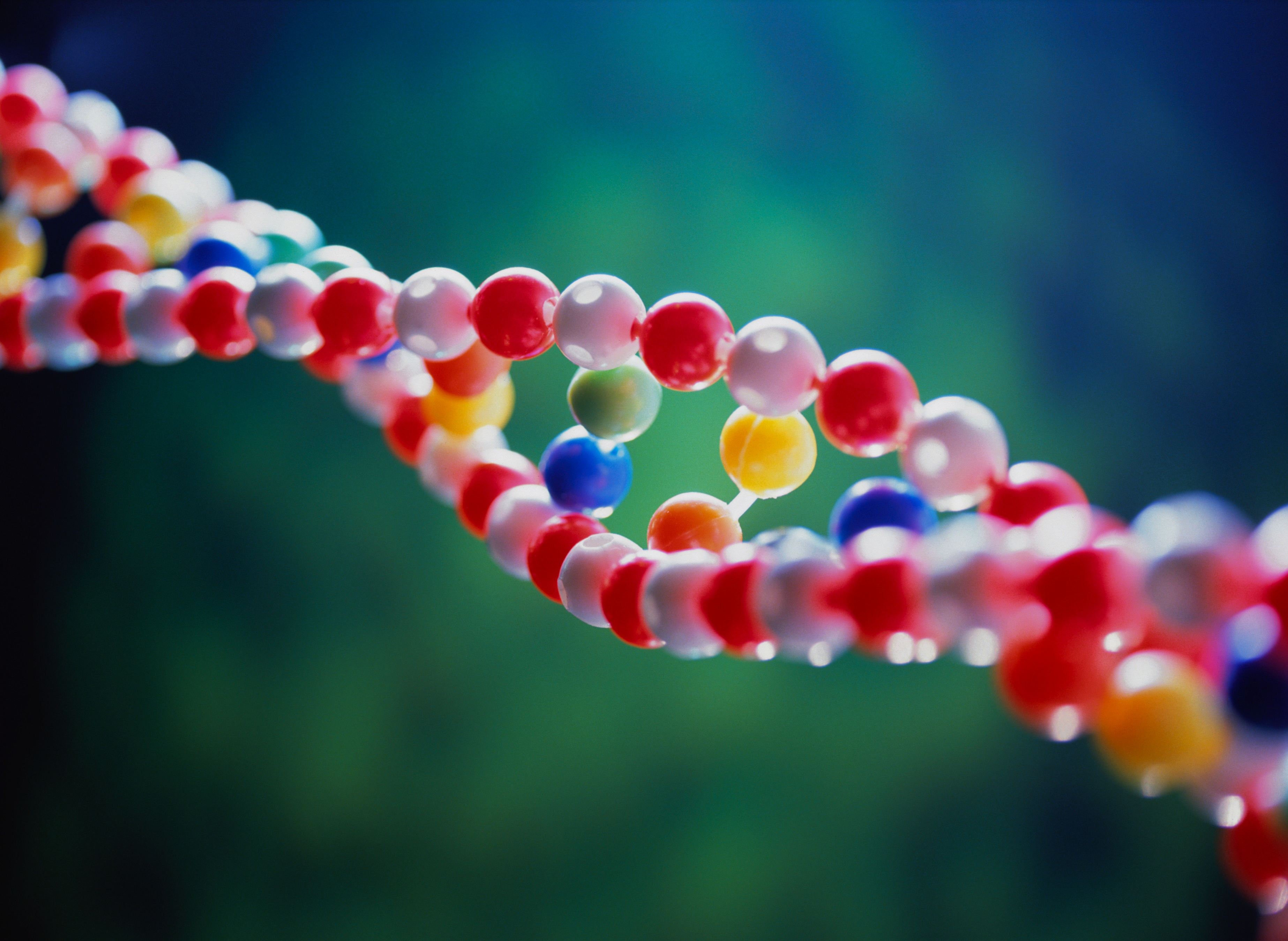

Which enzyme is responsible for adding nucleotides to form a complementary strand of DNA?
Helicase
DNA Polymerase
Ligase
Primase

Which sequence of DNA bases would pair with this partial strand
ATG TGA CAG
ATG TGA CAG
TAC ACT GTC
GTA AGT GAC
CAT TCA CTG

A process in which DNA has the unique ability to make an exact copy of itself.
Replication
Translation
Transcription
Protein synthesis

In an eukaryotic cell, Which organelle is DNA usually found in ?
cell membrane
vacuole
chloroplast
nucleus
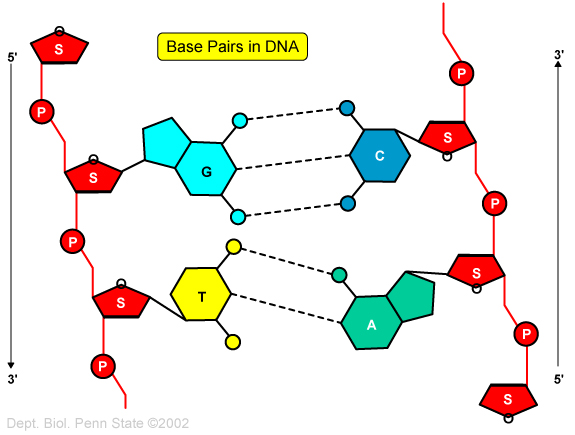

In what phase of the cell cycle does DNA replication take place?
G1
S
G2
M

Nucleotides are composed of three parts _________, phosphate and base.
Sugar
Starch
Protein
Nucleotide


Which RNA bases would pair with TACGAA in transcription?
AUGCUU
ATGCTT
GCATCC
GCAUCC

Which process is used to make mRNA from the DNA in the nucleus?
transcription
translation
replication

How many amino acids are coded for by this sequence of nucleotides:
ATG GGA ACT CCA
4
2
6
12


What is the term for a three-nucleotide sequence that codes for an amino acid?
base
codon
amine
serine

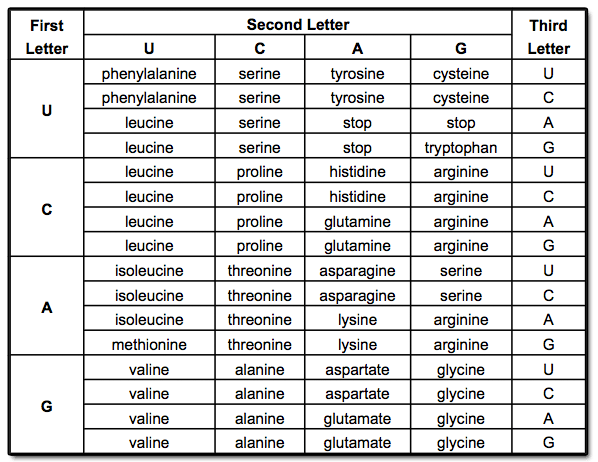


Which of these is correct?
DNA --> mRNA --> polypeptide chain
DNA --> polypeptide chain --> mRNA
mRNA --> DNA --> polypeptide chain
polypeptide chain --> DNA --> mRNA


What do all of these organisms have in common?
Universal genetic code
Components that make up the genetic code
Traits that are determined by genes that are translated into proteins
Organisms have all of these in common
Organisms have all of the following in common except ___.
Traits that are determined by genes that are translated into proteins
Sequence of nitrogenous bases in the genetic code
A universal genetic code
The same components that make up the genetic code

Was a female scientist that used a new method called X-ray crystallography to take a photo of DNA called Photograph 51. Her photograph was used by Watson and Crick to build a model of DNA for which they won the Nobel Prize (she died before it was given out).
Charles Darwin
Hershey and Chase
James Watson and Francis Crick
Rosalind Franklin
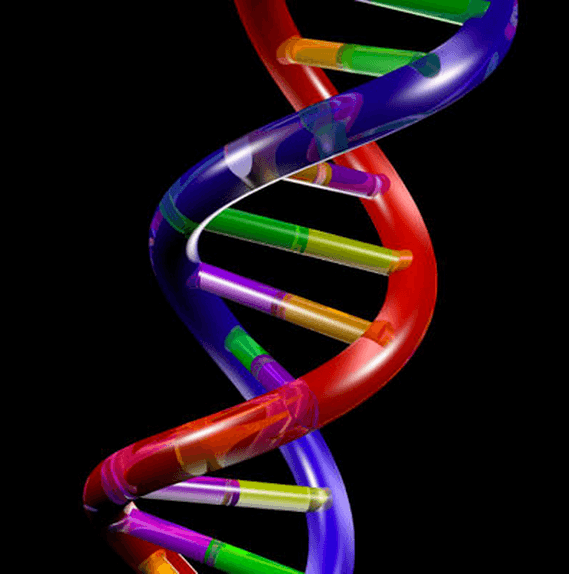
What determines the actual traits we have?
the shape (structure) of the nitrogen bases
the order (sequence) of the nitrogen bases
the color of the nitrogen bases
the frequency (number) of nitrogen bases


How can a person's muscle cells have the same exact DNA sequences as their nerve cells even though the look and perform completely different?
The two different cells become mutated
The proteins expressed in each cell are different
They actually have different DNA in the two types of cells.
The genome of the different cells changes

____ is the activation of a gene that results in transcription.
Gene expression
Gene technology
Eukaryotic expression
Prokaryotic expression

