
 Worksheets
ELA 8 Finals Review
Total questions: 138
Worksheet time: 35hrs 30mins
the universal message woven throughout the story
central idea
summary
symbolism
theme
to state or write where ideas/quotes come from
reveal
cite
convey
impact
to figure something out based on the evidence
determine
indicate
convey
infer
to add to / to support
contribute
determine
impact
indicate
the attitude of the author / narrator
setting
mood
tone
plot
the feeling / atmosphere of the story (determined through the setting)
mood
tone
textual evidence
symbolism
when one thing stands for / represents something "bigger" than itself
setting
tone
symbolism
character foil
the main character / the person facing the conflicts
protagonist
antagonist
character foil
secondary character
when one character is a mirror to another (highlights similarities and differences)
protagonist
antagonist
character foil
static character
a character who stays the same
static character
dynamic character
independent character
stale character
a character who changes (morals, way of thinking, desires) over time
setting
character foil
static character
dynamic character
a summary should be objective, which means...
no facts
no opinions
no sentences
no information
a good summary should...
state just the central idea and main details
be long and detailed
include every tiny detail
list my opinions in order of how they happened
the time and location in which a story takes place is the...
mood
summary
tone
setting
the character's inner thoughts is called
interior monologue
dialogue
conversation
character foil
speech, thoughts, effects on others, actions and looks is how authors create characters using
direct characterization
indirect characterization
informational writing
textual evidence
when the author comes right out and tells the character's personality, it is called
direct characterization
indirect characterization
character foils
dynamic characters
fig. language; word choice; rhyme and repetition; and caps, spacing and punctuation are all ways to develop
mood
tone
setting
theme
the emotions words carry (ex. home vs house) is called
theme
symbolism
connotation
denotation
"credible" means
trustworthy
opinions
biased
evidence
a statement you or the author says is true
conclusion
textual evidence
quote
claim
to carefully judge something
determine
evaluate
identify
impact
to defend; to show why something is correct
interpret
influence
justify
create
Which transition for a connection is NOT a good choice?
Clearly, this indicates....
This demonstrates....
I know this because...
This reveals...
Formal writing means...
No abbreviations
No using quotations
No using textual evidence
No capitals and punctuation
the central idea is
giving the small, detailed information
telling the characters and setting
the gist of a part of the text
the main idea of the whole text
the more specific info that guides us toward the central idea is
supporting details
gist
objective facts
citing evidence
Which image best depicts an ABSTRACT concept?


Look at this image. Which word below best describes this image?
abstract
concrete
stanza
theme
What must be done in order to determine the central idea?
look just at the pictures
skim the article quickly
read and understand the entire text
pay attention to the author
What is the job of the CONNECTION in writing?
explain what the quote has to do with your answer AND add relevant details from the text
copy a quote from the text into the SAR that relates to the claim
make a claim
use varying transitions
Which of the following transitions is the BEST transition to use in an SAR?
I know this because...
I believe the answer is...
The author shows us...
Clearly this demonstrates...
A conversation the characters have out loud is called...
anecdote
foil
dialogue
allusion
How many times should you state your claim in an SAR?
once--at the beginning
once--at the end
twice--once at the beginning and once in the conclusion
four times--at the beginning, at the end, and after each quote
Which of the following is a THEME?
Ponyboy hates the Socs and then realizes they have a lot in common.
Loyalty
Violence
People have more in common with others than they might at first believe.
What is the BEST effect of DIALOGUE in a story?
Propels the plot (pushes the action forward)
Tells the time and place the story is set
It creates situational irony
It turns static characters into dynamic characters
A short story to make a point is called...
novel
mood
anecdote
allusion
A cultural reference that the author assumes that the reader understands is called...
allusion
objective
connotation
irony
When a person says the opposite of what he/she means it is called...
verbal irony
situational irony
dramatic irony
When what happens is the opposite of what the characters AND the audience expected, it is called...
verbal irony
situational irony
dramatic irony
When the audience knows something that the characters do not know, it is called...
verbal irony
situational irony
dramatic irony
If a character is swimming in the ocean and the audience knows there is a shark underneath him, but the character does not know, that is...
verbal irony
situational irony
dramatic irony
tension that keeps the reader wondering what will happen next is called...
humor
static
suspense
conflict
RISING TENSION helps to create suspense. What is rising tension?
feeling/atmosphere of the story (created by setting)
hints the author gives about what will happen later on in the story
using really vivid language that appeals to the 5 senses
piling conflict on top of conflict
MOOD helps to create suspense. What is mood?
feeling/atmosphere of the story (created by setting)
hints the author gives about what will happen later on in the story
using really vivid language that appeals to the 5 senses
piling conflict on top of conflict
PACING helps to create suspense. What is pacing?
speeding up / slowing down the story (like cliffhangers/flashbacks)
hints the author gives about what will happen later on in the story
when the audience knows something the character does not know
piling conflict on top of conflict
DRAMATIC IRONY helps to create suspense. What is dramatic irony?
speeding up / slowing down the story (like cliffhangers/flashbacks)
hints the author gives about what will happen later on in the story
when the audience knows something the character does not know
piling conflict on top of conflict
Irony (all types) helps to create two things. What are they?
suspense and humor
suspense and setting
humor and dialogue
dialogue and setting
When a character has a decision to make in his/her own head, that is...
internal conflict
external conflict
When a character has a problem with an outside force, that is...
internal conflict
external conflict
Which is an internal conflict (man vs. self)?
Having a stranger steal your identity
Surviving a hurricane
Getting beat up by a bully
Deciding whether to break up with a boyfriend
How many quotes (minimum) must an ER (Extended Response) have?
2
3
4
5
In an ER, how many paragraphs should you have (at a minimum)?
1
2
3
4

to be overly polite and flattering
maelstrom
kowtow
lazy
the lowest point

fit to drink
exodus
gregarious
potable
globule

a powerful whirlpool; turmoil
queue
debonair
wanderlust
maelstrom

a mass departure
exodus
indolent
truncated
pariah

living in groups; social
cryptic
gregarious
potable
seraph

charming; lighthearted; suave
nadir
bellicose
indolent
debonair

fear or hatred of strangers
loquacious
opulent
pilfer
xenophobia

lazy
indolent
kowtow
ravenous
hirsute

desire to travel
opulent
truncated
wanderlust
conflagration

to strive, compete or contend
incarcerate
pariah
sinewy
vie

to cut off; to shorten
truncated
taciturn
rendezvous
exodus

disinclined to talk
loquacious
opulent
taciturn
seraph

an angel
gregarious
ravenous
cryptic
seraph

an appointment; a meeting place
conflagration
nadir
rendezvous
opulent

very hungry; very eager
rendezvous
ravenous
exodus
pariah

a waiting line
queue
kowtow
globule
pilfer

an outcast
potable
maelstrom
sinewy
pariah

demonstrating great wealth
xenophobia
indolent
opulent
cryptic

the lowest point
bellicose
pariah
vie
nadir

handcuffs; a restraint
queue
sinewy
debonair
manacle

extremely talkative
globule
fiasco
loquacious
taciturn

to put in prison
nadir
indolent
incarcerate
cryptic

very hairy
hirsute
debonair
seraph
truncated

a drop; a small ball
vie
globule
opulent
gregarious

a failure
conflagration
fiasco
manacle
pariah

a large, destructive fire
exodus
vie
truncated
conflagration

to steal insignificant items
pilfer
pariah
manacle
kowtow

hidden; mysterious; secret
loquacious
nadir
cryptic
bellicose

warlike; quarrelsome
potable
indolent
bellicose
ravenous

strong and firm; tough
sinewy
seraph
manacle
bellicose
when one line in a poem ends and another begins (the point at which two lines are split.)
STANZA
LINE BREAK
END RHYME
INTERNAL RHYME
a group of lines organized together in a poem (like a paragraph)
STANZA
LINE BREAK
END RHYME
INTERNAL RHYME
when the last words in two or more lines rhyme with each other
STANZA
LINE BREAK
END RHYME
INTERNAL RHYME
when one or more of the rhyming words occur within the line of poetry, rather than just at the end
STANZA
LINE BREAK
END RHYME
INTERNAL RHYME
the flow and beat of a poem
RHYTHM
RHYME SCHEME
REPETITION
INTERNAL RHYME
when words or lines repeat throughout the poem (for emphasis)
RHYTHM
RHYME SCHEME
REPETITION
INTERNAL RHYME
the ordered pattern of end rhymes (labeled using letters of the alphabet)
RHYTHM
RHYME SCHEME
REPETITION
INTERNAL RHYME
a comparison between two unlike things using "like" or "as"
SIMILE
METAPHOR
EXTENDED METAPHOR
ALLITERATION
repetition of the first consonant sounds of words that are fairly close together.
SIMILE
METAPHOR
EXTENDED METAPHOR
ALLITERATION
a direct comparison between two unlike things (does NOT use like or as)
SIMILE
METAPHOR
ALLITERATION
ONOMATOPOEIA
a direct comparison between two unlike things that continues throughout a series of sentences in a paragraph, or lines in a poem
SIMILE
METAPHOR
EXTENDED METAPHOR
ALLITERATION
repetition of vowel sounds anywhere in the word
ASSONANCE
ALLITERATION
HYPERBOLE
ONOMATOPOEIA
a word that imitates the sound of the object or action
ASSONANCE
ALLITERATION
HYPERBOLE
ONOMATOPOEIA
an extreme exaggeration to make a point
ASSONANCE
ALLITERATION
HYPERBOLE
ONOMATOPOEIA
giving human characteristics to non-human things
TONE
PERSONIFICATION
THEME
SYMBOLISM
When one thing (usually something concrete) stands for or represents something else (usually abstract)
TONE
PERSONIFICATION
THEME
SYMBOLISM
the universal message about life/human nature that is woven throughout the story/poem
TONE
PERSONIFICATION
THEME
SYMBOLISM
the attitude of the author/narrator
TONE
PERSONIFICATION
THEME
SYMBOLISM

What is being demonstrated in the image?
hyperbole
onomatopoeia
assonance
alliteration

What is being demonstrated in the image?
hyperbole
onomatopoeia
assonance
alliteration

What is the rhyme scheme in the following poem?
AABB
ABAC
ABAB
BABA

What is the rhyme scheme in the following poem?
ABBB
ABCD
ABAB
BAAA

How many lines are in the following poem?
1
8
9
5

What method did the author use to make his poem look like it was falling down?
end rhyme
internal rhyme
line breaks
repetition

What is best demonstrated in the following poem?
repetition
simile
metaphor
onomatopoeia

The words "chance" and "plants" represent...
extended metaphor
hyperbole
internal rhyme
end rhyme

The words"fun" and "done" represent...
internal rhyme
end rhyme
extended metaphor
rhythm

How many stanzas are in the poem "The Loser"?
1
2
6
17

Which two terms are shown in this example?
personification and alliteration
personification and repetition
metaphor and repetition
alliteration and metaphor
Which of the following is NOT necessary in a poem?
it has to rhyme
language has musical qualities
limited in length and organized in stanzas
intense feelings / vivid images
In a text with a sequence text structure, the author
describes a topic and its characteristics.
tells about events in the order they happened.
explains how things are similar and different.
describes a problem and then explains how someone solved it.
In a text with a compare and contrast text structure, the author
explains something that happened and the reasons why.
tells about events in the order they happened.
explains how things are similar and different.
describes a problem and then explains how someone solved it.
In a text with a cause and effect text structure, the author
explains something that happened and the reasons why.
tells about events in the order they happened.
explains how things are similar and different.
describes a problem and then explains how someone solved it.
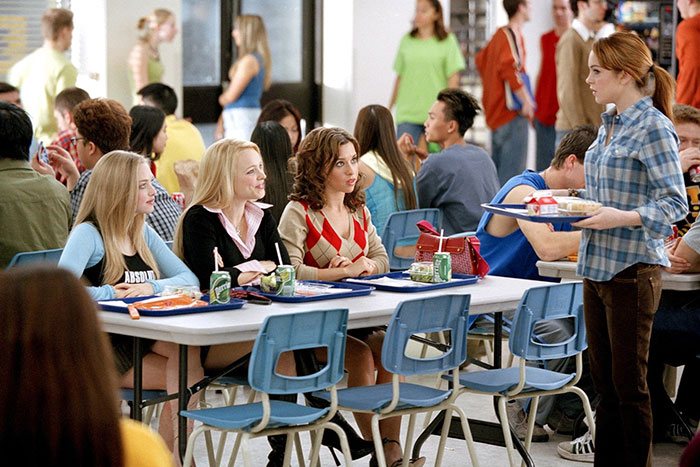
Identify the main text structure used in the passage below.
Many students in the US say that they've been bullied at school. Natalie Hampton is a high school student who was bullied a lot in middle school. She often had no one to sit with at lunch. So she created a phone app called "Sit With Us." This app lets students sign up and post when there are free seats at their lunch tables. These students have promised to be kind to those who come sit with them. Hampton hopes her app will help students find people to sit with without fear of being bullied.
description
problem/solution
compare/contrast
sequence

Identify the main text structure used in the passage below.
Robots that look like humans are called androids. But not all robots are androids. The industrial robots used in manufacturing and production look like machines and not at all like human beings. So what does an android have in common with an industrial robot? They both have computers. And they both have sensors to gather information and ways to interact with their environments, too.
description
problem/solution
compare/contrast
sequence
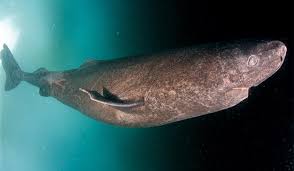
Identify the main text structure used in the passage below.
The Greenland shark can grow to be around 16 feet long. It’s an apex predator, an animal that is at the top of the food chain. No other creatures prey on apex predators. The Greenland shark can live to be about 400 years old, making it the longest-living vertebrate animal.
description
problem/solution
compare/contrast
sequence
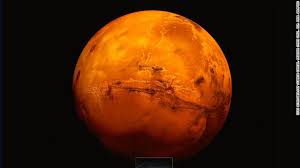
Which of the following passages has a compare and contrast text structure?
Scientists at NASA, the United States space program, think that there is liquid water on Mars. Pictures of the surface of Mars showed wet-looking spots. Researchers used these pictures to figure out that liquid water exists there.
The ExoMars 2016 mission blasted off on March 14, 2016. The spacecraft is owned by Russian and European space programs. It left from the country of Kazakhstan. The ExoMars spacecraft has special tools to help scientists learn more about Mars.
Mars is a red-orange planet in our solar system. There are eight planets in the solar system that orbit, or travel around, the Sun. Mars is the fourth planet from the Sun.
Mars is farther away from the Sun than the Earth is. It’s much colder. Mars is 142 million miles from the Sun, while Earth is 93 million miles away. Even though Mars is smaller and colder than Earth, the two planets are similar. Both have seasons, like winter and summer.
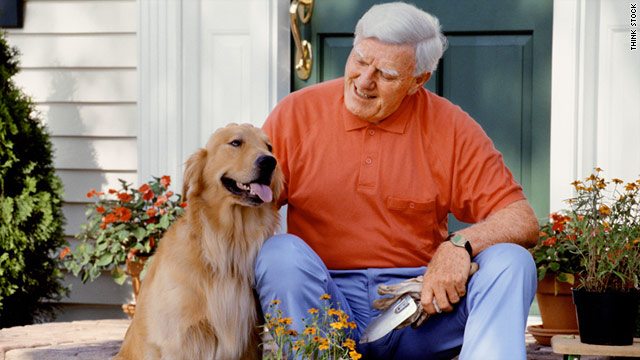
Read the following passage.
Dogs make wonderful pets because they help people to live healthier lives. Walking them leads to more exercise for the owner. Meanwhile, studies show that their companionship keeps the mind more active and sharp.
What is the role of the underlined section?
supporting detail
topic sentence
states a problem
compares dogs to other pets
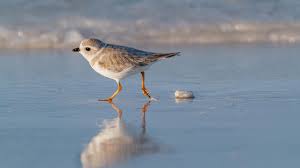
Read the following passage.
Piping plovers are losing their habitats. This is because humans are taking many of the beaches where they live to construct buildings. Humans have also changed the level of water in the piping plovers’ homes. Sometimes, there is too much water or too little water. As a result of the loss of their habitats, piping plovers have become an endangered species.
In the passage above, the underlined sentence provides
a cause that led to piping plovers losing their habitats.
an effect of humans changing the level of water in piping plovers’ homes.
a cause that led to there being too many piping plovers.
an effect of piping plovers leaving their homes.
. Read the following passage. Then state the protagonist in this situation.
“’Need a haircut, greaser? The medium-sized blond pulled a knife out of his back pocket and flipped the blade open. I finally thought of something to say. ‘No.’ I was backing up, away from that knife.” (Chapter 1, page 5)
Ponyboy
Johnny
the Soc (Bob)
the knife
. What type of characterization is used in the following passage?
“Soda is handsomer than anyone I know…Soda’s movie-star kind of handsome…He can get drunk in a drag race or dancing without ever getting near alcohol…he gets drunk on just plain living. And he understands everybody.” (Chapter 1, pages 7-8)
Direct characterization, because the author comes right out and describes Soda’s looks and personality.
Indirect Characterization, because the author makes the reader use clues to figure out Soda’s character.
Read the following passage. Then state which two methods for creating suspense the author used in this selection.
“It was a small church, real old and spooky and spiderwebby. It gave me the creeps. […] But this church gave me kind of a creepy feeling. What do you call it? Premonition?” (Chapter 4, page 66-67)
*Premonition = a strong feeling that something unpleasant is about to happen
rising tension and foreshadowing
dramatic irony and rising tension
foreshadowing and mood
pacing and mood
Which piece of textual evidence best shows that Ponyboy is a dynamic character?
“Darry doesn’t love anyone or anything, except maybe Soda.” (Chapter 1, page 18)
“You going to take Sandy to the party?” (Chapter 7, page 111)
“I liked Two-Bit’s mother. She had the same humor and easygoing ways that he did.” (Chapter 7, page 114)
“Socs were just guys after all. Things were rough all over, but it was better that way. That way you could tell the other guy was human too.” (Chapter 7, page 118)
Complete the cause and effect relationship.
Cause: ______
Effect: Johnny carried a switchblade in his back pocket.
Johnny killed Bob to save Ponyboy from drowning.
Bob jumped Johnny and badly beat him with his rings.
Johnny saved children from the burning church.
Johnny sleeps in the vacant lot to avoid his abusive parents.
Which of the following is a symbol for wealth in the novel?
Bob’s rings
Cars
The church
Sunsets
Read the excerpt below. In this part of the book, Ponyboy is talking to Cherry about Dallas.
“ ‘He’d leave you alone if he knew you,’ I said, and that was true. One time, when Steve’s cousin from Kansas came down, Dally was decent to her and watched his swearing.”
Which of the following techniques does the author of The Outsiders use in order to help the reader to better understand Dallas’s personality?
The author uses a simile to help the reader to learn more about Dallas.
The author uses flashback to help the reader to learn more about Dallas.
The author uses mood to help the reader to learn more about Dallas.
The author uses an anecdote to help the reader to learn more about Dallas.
Read the excerpt below. In this part of the book, Cherry is arguing with Bob as she and the greasers walk home from the movie theatre.
“The Soc’s voice broke into my thoughts: ‘…just because we got a little drunk last time…’ Cherry looked mad. ‘A little? You call reeling and passing out in the streets ‘a little’? Bob, I told you, I’m never going out with you while you’re drinking, and I mean it. Too many things could happen while you’re drunk. It’s me or the booze.’” (Chapter 3)
Which of the following techniques does the author use in the underlined section?
anecdote
foreshadowing
allusion
flashback
In Chapter 2 Cherry tells Ponyboy “things are rough all over”. Finally, in Chapter 7, Ponyboy figured out what she meant by that statement. What did she mean?
Everyone should watch sunsets and pay attention to the stars.
The Socs have a more difficult life than the greasers.
The greasers have a harder life than the Socs.
Everyone has problems, and suffering is a universal part of being human.
There are a number of external conflicts in The Outsiders. Identify which of the following quotes best portrays an example of a man vs. man conflict.
“But this church gave me kind of a creepy feeling. What do you call it? Premonition?”
“ 'Need a haircut, Greaser?’ ”
“I lie to myself all of the time. But I never believe me.”
“Johnny is not dead, I told myself, and I believed it.”
Which thematic topic is best supported by the following quote?
“The judge…asked Darry and Soda a little bit about Dally…was he a real good buddy of ours? Darry said, ‘Yes, sir,’ looking straight at the judge, not flinching…Dally had been one of our gang and we wouldn’t desert him.”
identity
education
violence
loyalty
Which of the following is a symbol for violence in the novel?
Bob’s rings
Cars
The church
Sunsets
What does Johnny mean when he says “Stay Gold, Ponyboy” in Chapter 9?
He means that Ponyboy should keep fighting the Socs until they learn their lesson.
He means that Ponyboy should try to write his English essay as soon as possible.
He means that Ponyboy should follow Dallas’ advice and get tough so that nothing can hurt him.
He means that Ponyboy should try to remain childlike and innocent for as long as possible.
which character is dynamic?
Dallas (starts out tough and stays that way)
Marcia (always stays cheerful)
Steve (likes to fight and stays that way)
Ponyboy (hates Socs and then realizes they have a lot in common)
Which two characters are foils of each other?
Dallas and Johnny
Ponyboy and Marcia
Two-Bit and Sodapop
Johnny and Ponyboy
Which of the following is a good theme for The Outsiders?
Friendship
Identity
Violence is always the best choice in life.
Outward appearances are often misleading, and people should be judged by their behavior rather than their looks.

