
Font size
 Worksheets
Overall Chemistry
Total questions: 159
Worksheet time: 5hrs 57mins
Read the passage about a chemical reaction that absorbs or releases thermal energy.
In 2016, over a third of the electricity used in the United States was generated from natural gas. Natural gas is made up mostly of methane (CH4). Methane reacts with oxygen (O2) to make carbon dioxide (CO2) and water (H2O). As the reaction happens, chemical energy is converted to thermal energy, which is released into the surroundings. In power plants, this thermal energy is used to produce electricity.
During this chemical reaction the air around the reaction becomes _______
colder
warmer
Read the passage about a chemical reaction that causes a change in temperature. Then, follow the instructions below.
Dynamite contains the compound nitroglycerin (C3H5N3O9). When dynamite is lit, the nitroglycerin explodes, forming nitrogen (N2), carbon monoxide (CO), water (H2O), and oxygen (O2). As the products form, the air around the reaction becomes extremely hot. The explosion is so powerful that it can blast through solid rock.
Select the true statement.
This chemical reaction is exothermic. It converts chemical energy into thermal energy, which is released into the the surroundings
This chemical reaction is endothermic. It absorbs thermal energy from the surroundings and converts that energy into chemical energy.
Read the passage about a chemical reaction that causes a change in temperature. Then, follow the instructions below.
In the hot air near a lightning strike, nitrogen (N2) and oxygen (O2) react to produce nitric oxide (NO) and nitrogen dioxide (NO2). As the products form, the air around the reaction is cooled.
Select the true statement.
This chemical reaction is exothermic. It converts chemical energy into thermal energy, which is released into the the surroundings
This chemical reaction is endothermic. It absorbs thermal energy from the surroundings and converts that energy into chemical energy.
When calcium reacts with water, the temperature changes from 18°C to 39°C. Which statement is correct?
The solution at the end is acidic
The reaction is reversible
The reaction is exothermic
The reaction is endothermic
if more heat energy is released in making bonds in the products than is taken in when breaking bonds in the reactants
Exothermic
Endothermic
Exotermic
Endotermic
if less heat energy is released in making bonds in the products than is taken in when breaking bonds in the reactants
Endothermic
Exotermic
Exothermic
Entrothermic

Is this diagram endothermic or exothermic
Endothermic
Exotermic
Exothermic
Endote

This diagram is exothermic. Why?
products are always at a lower energy compared to the reactants
Products are always at a higher energy compared to the reactants
Reactants are always the same as the products
Whaaaaattttttttt?????
What type of chemical reaction absorbs energy and requires energy for the reaction to occur?
Endothermic
Exotermic
Exothermic
Endotermic
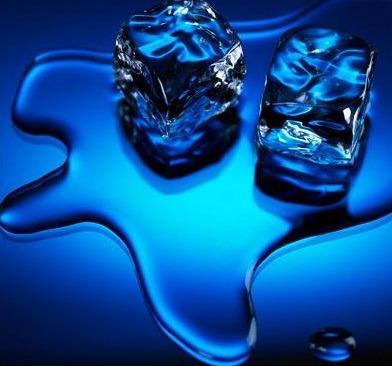
____ reactions usually feel cold.
endothermic
exothermic
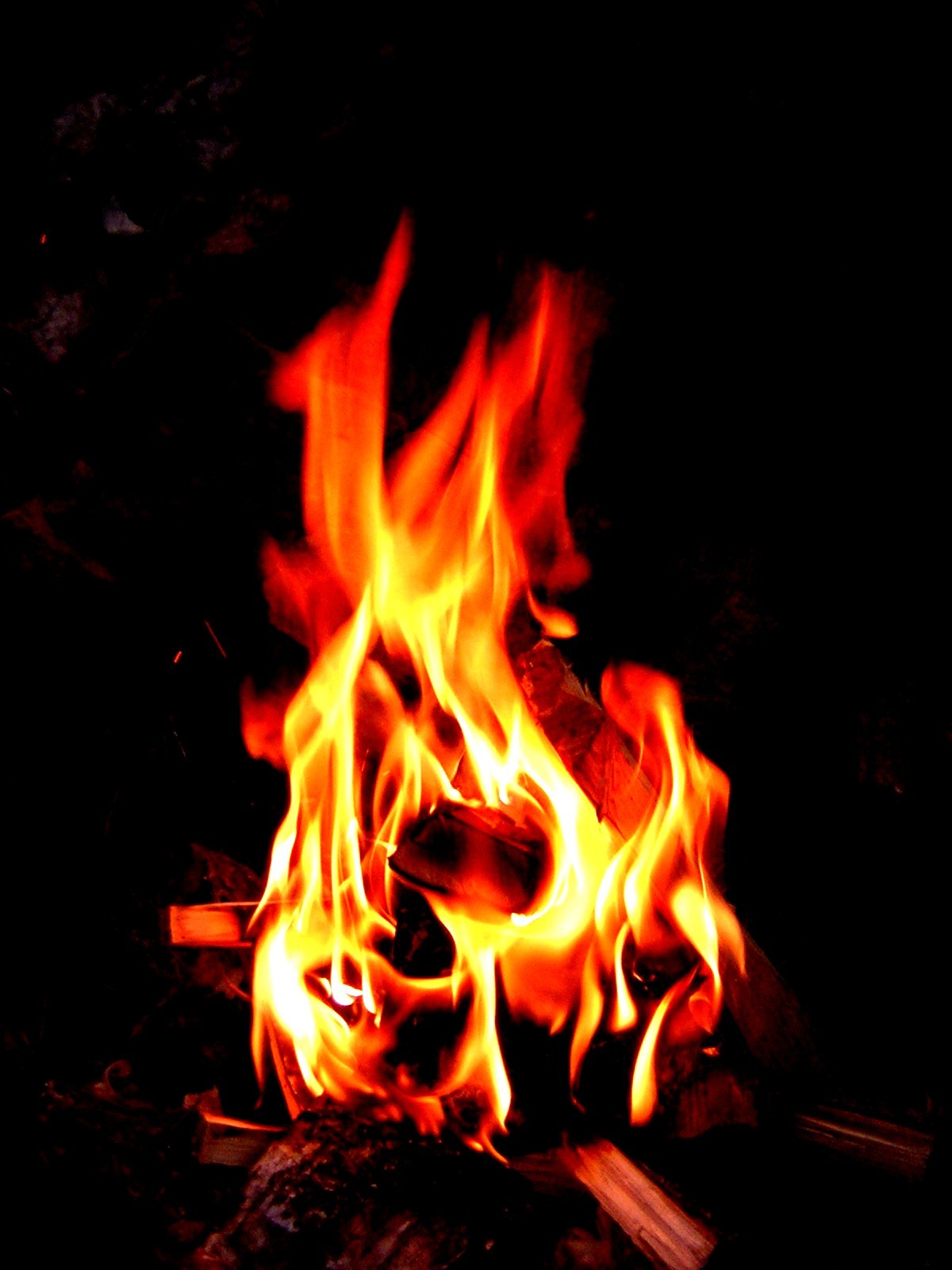
_____ reactions usually feel hot!
endothermic
exothermic
In an endothermic reaction, energy is _________.
absorbed
released
During an exothermic reaction, heat is _________ and chemical bonds __________.
released, formed
absorbed, broken
released, broken
absorbed, formed
Endo means in or _______.
absorbed
released
Exo means out or ________.
absorbed
released
When a candle is lit hydrocarbons are combusting. An exothermic reaction is occuring. Energy is being _________________ .
absorbed
frozen
destroyed
released

Releasing heat into the surrounding is an ___________________ reaction
Exothermic
Endothermic
Kinetic Energy
Thermal Energy
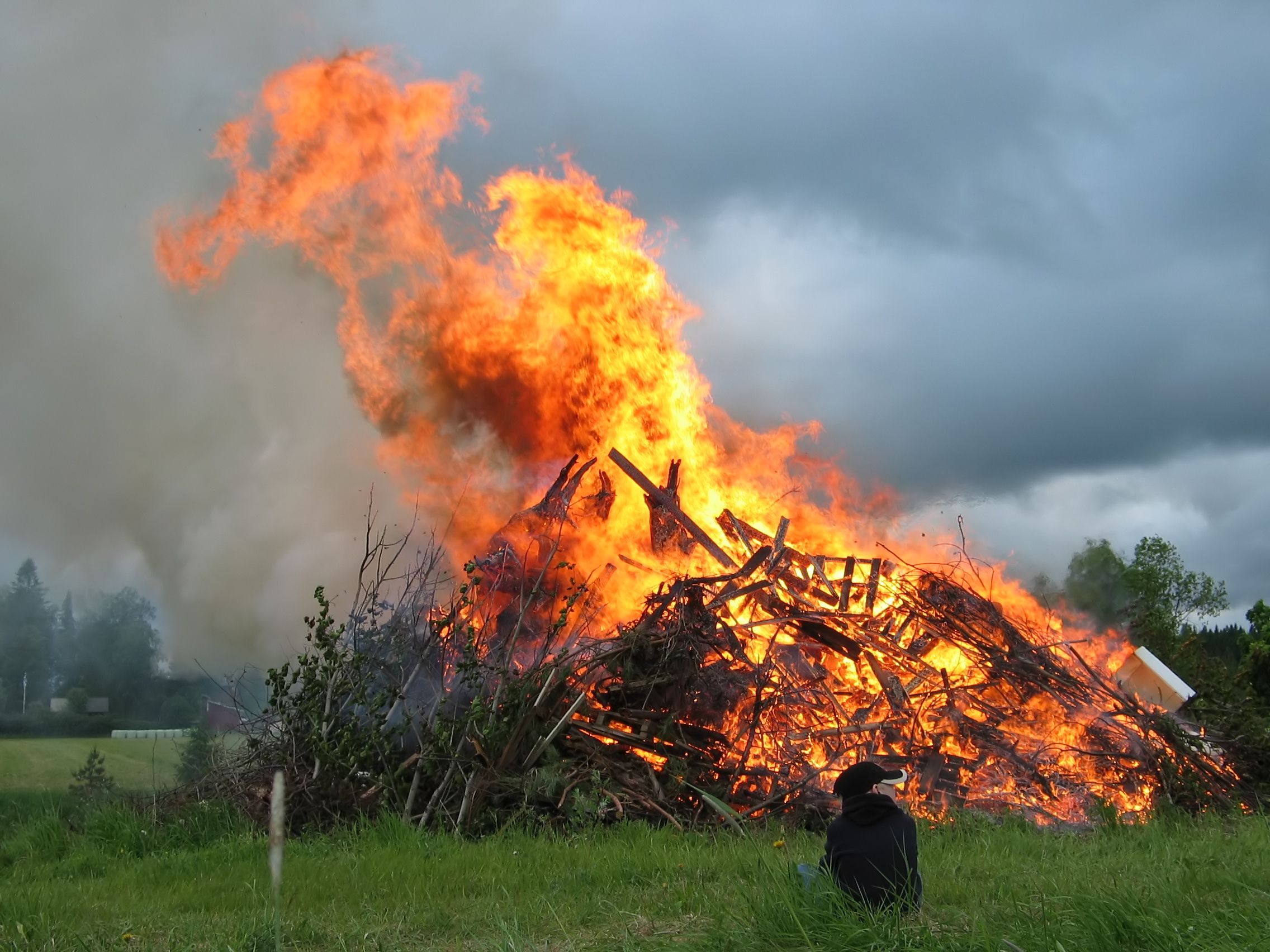
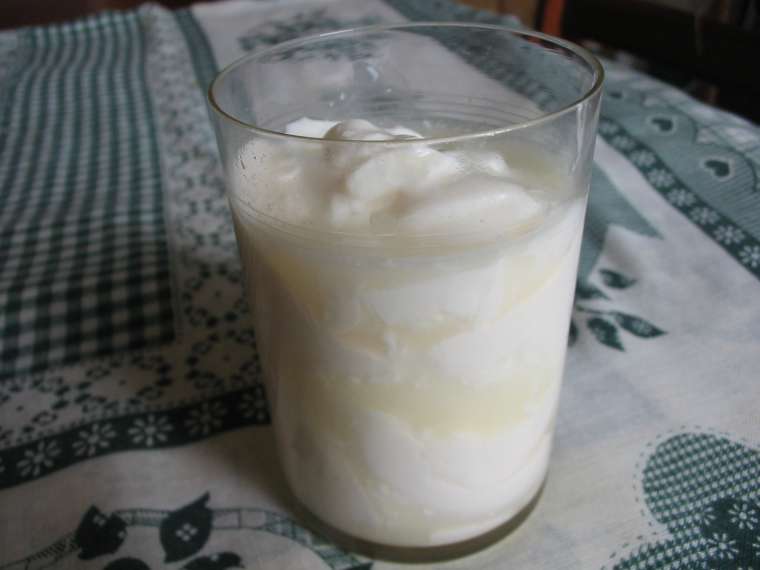


Which of the following is not a clue that a chemical reaction has taken place?
Changing size
Changing color
A gas being formed
Formation of a precipitate



During a chemical reaction, matter cannot be _______ or created.
bought
changed
destroyed
made
__________ are the substances present before the chemical reaction takes place.
products
elements
compound
reactants
The _________ are the substances present after the chemical reaction takes place.
reactants
compound
products
elements

In this chemical equation , CH4 and 2O2 are called the...
Products
Reactants
Coefficient
Subscript
The Law of Conservation of Mass States
Energy cannot be created nor destroyed, it can only change form.
Mass cannot be created nor destroyed, it can only change form.
Mass can be created or destroyed, it cannot change form.
There are 2 g worth of products in a chemical reaction. How many were needed in the reactant stage
2 g
13 g
6.5 g
8 g
What does Law of Conservation say about matter
That the amount of matter changes in a chemical reaction.
That the amount of matter doubles in a chemical reaction.
That the amount of matter stays the same in a chemical reaction.
That the amount of matter halves in a chemical reaction.
When a reaction produces a gas, does the reaction overall lose mass
No the mass is still in the solid
No the mass is conserved in the gas
Yes the mass will go down when the gas leaves
Yes the mass will go up when the gas leaves
If 45g of reactants go through a reaction how much product will be produced?
20g
15g
35g
45g
If 45g of reactants go through a reaction how much product will be produced?
20g
15g
35g
45g
If 10g of reactants go through a reaction how much product will be produced?
22g
12g
15g
10g
If 67g of products were created how much reactants were needed?
32g
67g
22g
15g
If there are 7 sodiums and 3 chlorine in the reactant side how much will be on the product side
3 sodiums, 7 chlorines
2 sodiums, 5 chlorines
11 sodiums
7 sodiums, 3 chlorine
If there are 5 Oxygens and 6 Hydrogens in the product side how many will be on the reactant side
10 Oxygens and 12 Hydrogens
5 Oxygens and 6 Hydrogens
22 Hydrogens
22 Oxygens
If there are 100g of reactants how much products will be produced
50g
25g
100g
30g
Which of the following would provide the evidence that the number of atoms present before a chemical reaction is equal to the number of atoms present after the chemical reaction?
Which is the correct definition for the law of conservation of mass?
The Law of Conservation of Mass is the scientific rule that tells us that can't be created or destroyed, but, mass, or matter, can change form. Mass is always, always, with no exception, conserved.
The law of conservation of mass is the law that explains how humans were created.
Is the law of conservation important?
Yes
No
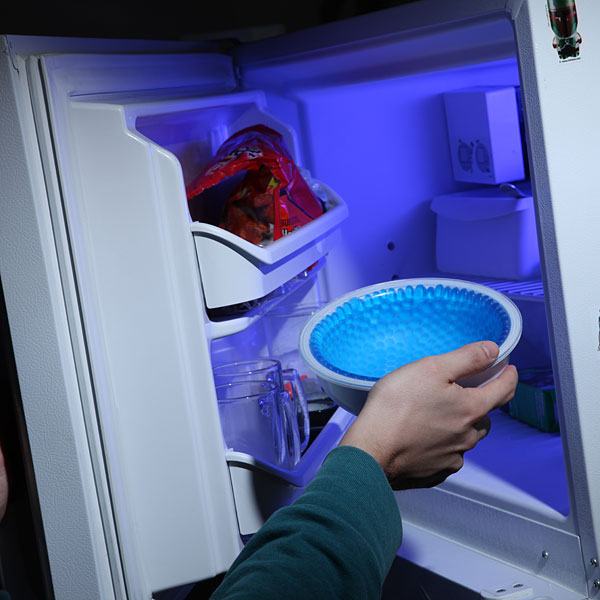
Physical Properties are
Physical properties of matter
are properties that can be observed without changing the matter's identity
are properties that can be observed that change the matter into new matter with new properties


Which of the following best describes a physical property?
a property of matter not involving a chemical change
a property of matter observed during a reaction in which the chemical composition or identity of the substance is changed
What is the best description of an intensive property?
a property of matter that does not change as the amount of matter changes
a property of matter that depends on sample size
Which of the following is an example of an intensive property?
color
mass
volume
length
Which of the following is an example of an intensive property?
length
mass
boiling point
volume
Which of the following is an example of intensive property?
volume
density
length
mass
Which of the following is an example of an extensive property?
pressure
volume
concentration
odor
Which of the following is an example of an extensive property of matter?
Density
color
temperature
length
Which of the following is an example of an extensive property?
color
odor
density
mass
Which of the following is an example of an extensive property?
weight
density
concentration
temperature

The mass of a lead cube is 64 grams. This is an example of __________.
physical intensive property
physical extensive property
chemical change
physical change

