
 Worksheets
Law and Society II
Total questions: 30
Worksheet time: 10mins

Griswold v. Connecticut (1965)
10th, 11th, 14th Amendments
The 2nd, 3rd, 4th Amendments
The 1st, 3rd, and 14th Amendment
4th, 9th and 14th Amendment
Fourth, Fifth, and Seventh Amendments

Right to a jury trial in non-criminal cases.
5th Amendment
6th Amendment
9th Amendment
7th Amendment
14th Amendment
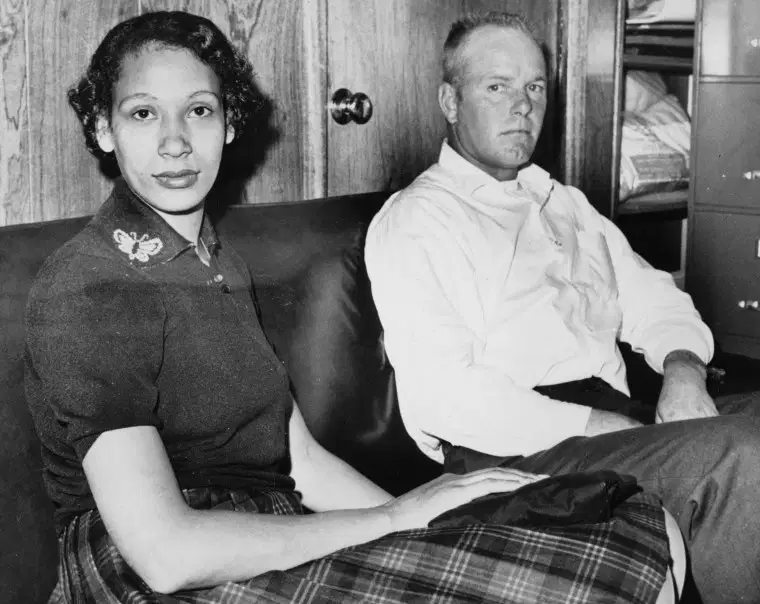
Loving v. Virginia (1967)
Equal Protection Under the Law
14th Amendment
Due Process
Life, Liberty, and Happiness
All answers are correct

Cruel and Unusual Punishment, Excessive Bail, Excessive Fines.
12th Amendment.
14th Amendment
1st Amendment.
Second Amendment
8th Amendment.
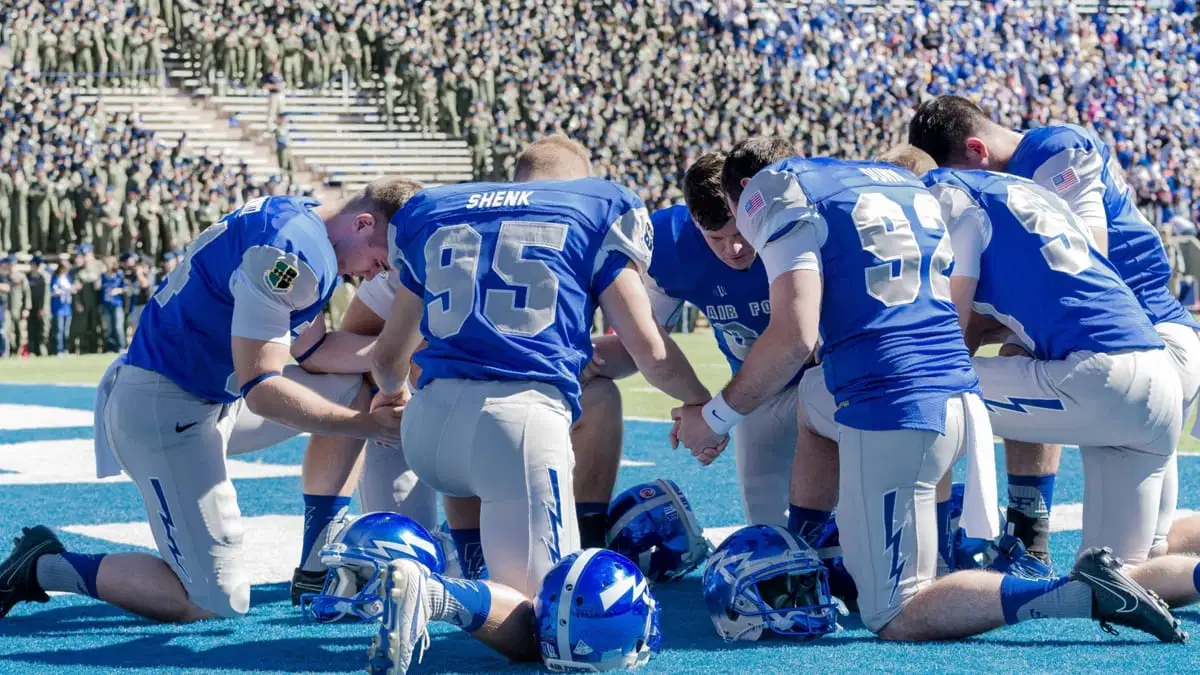
Establishment Clause.
First Amendment
Third Amendment
Fifth Amendment
Religion
Engel v. Vitale

Right to remain silent.
The Fifth Amendment
The First Amendment
Miranda Warnings
Miranda Rights
The 14th Amendment
States Rights v. Federal Government.
First Amendment
Sixth Amendment
Seventh Amendment
10 Amendment
14th Amendment
United States v. Won Kim Ark (1898) is most closely related to this US court case.
Mendez v. Westminster (1947)
Plessy v. Ferguson
(1898)
Brown v. Board of Education (1954)
Griswold v. Connecticut (1965)
All of the answers are correct.
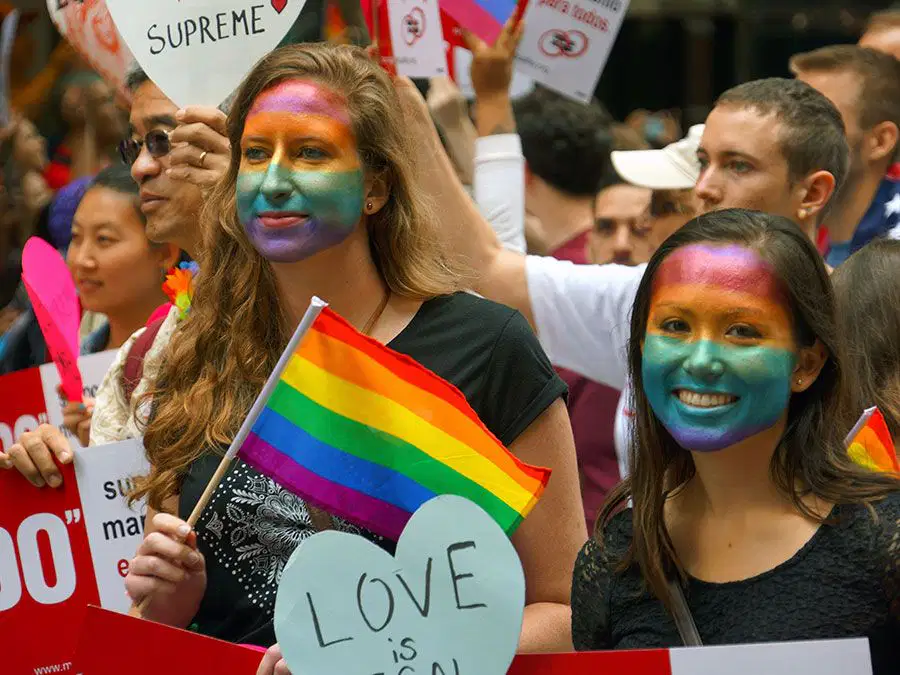
Obergefell v. Hodges, 576 U.S. 644
The First Amendment
The Second Amendment
The Fourth Amendment
The 10th Amendment
The 14th Amendment
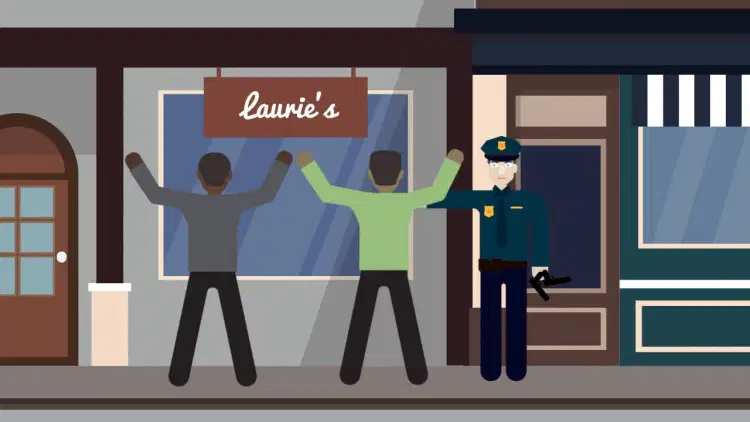
In Terry v. Ohio (1966), a "Terry Stop" allows Police to use "suspicion,", as a means for interrogation, as opposed to probable cause.
True
False
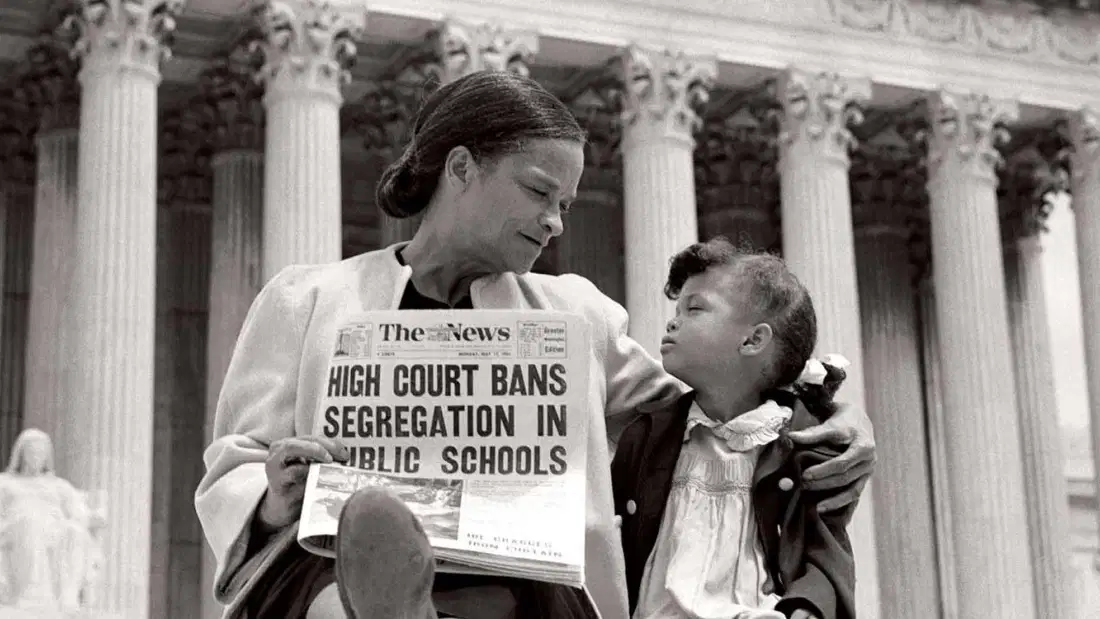
Brown v. Board of Education (1954) is most closely related to this court case.
Plessy v Ferguson
(1898)
Sweatt v. Painter
(1950)
Westminster v. Mendez (1947)
Gideon v. Wainwright (1963)
Elitism

The Right to Bear Arms.
First Amendment.
Second Amendment.
Fourth Amendment
14th Amendment
None of the Amendments are correct.
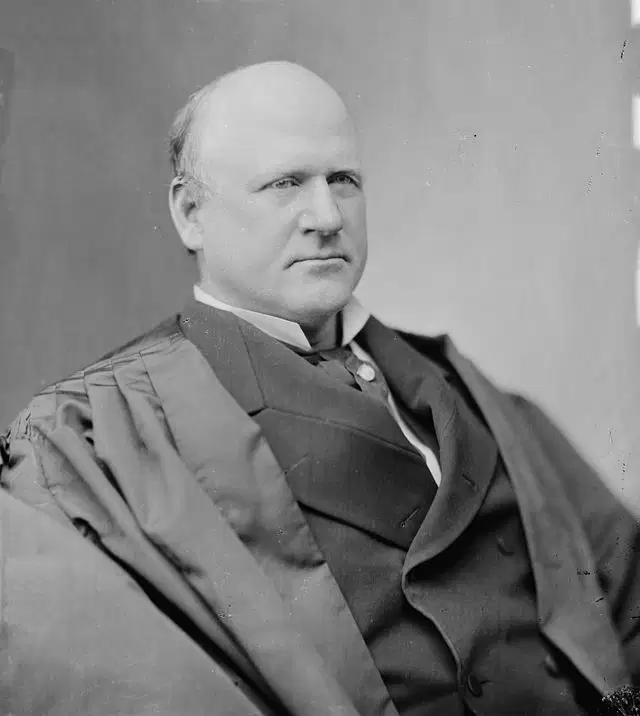
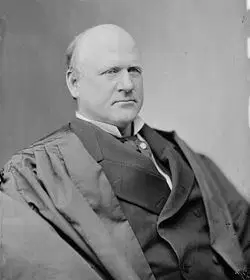
In Brown v. Board of Education, this justice's dissenting opinion in Plessy v. Ferguson was cited as influencing the court proceedings and final decision.
"Our Constitution is color-blind, and neither knows nor tolerates classes among citizens."
Associate Justice Ruth Bader Ginsberg
Associate Justice Thurgood Marshall
Associate Justice John Marshall Harlan
Associate Justice Clarence Thomas
Chief Justice Robert Taney
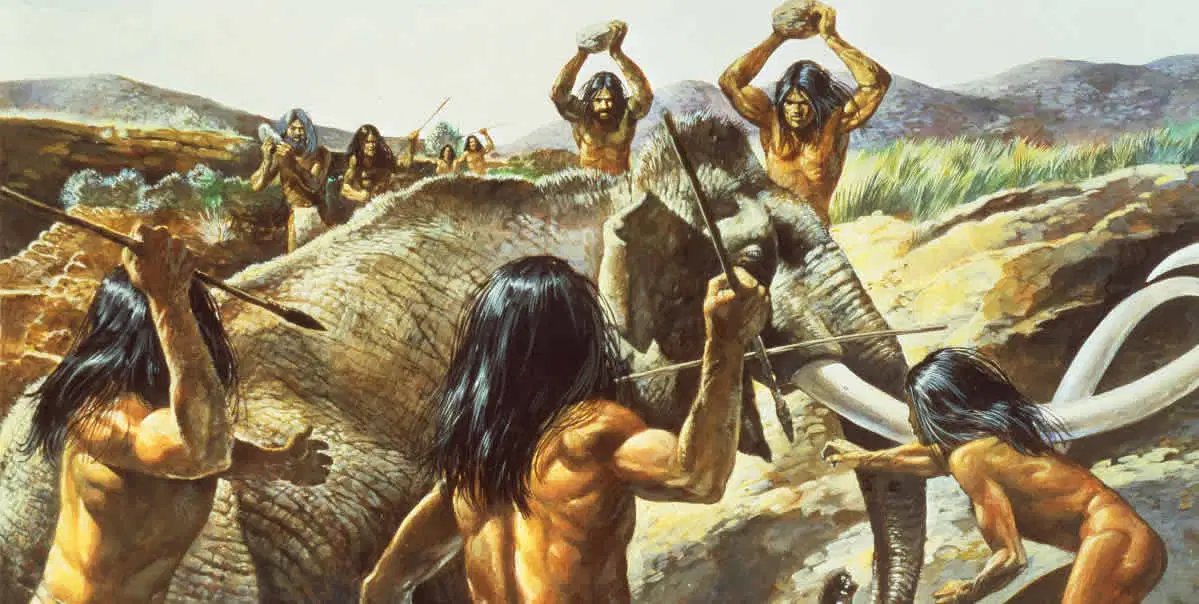
In John Locke's view of the State of Nature, this was a period of:
Harmony and Community
Peacefulness and Tranquility
A 48 hour Purge of City-States.
Mad Max
Survival of the Fittest
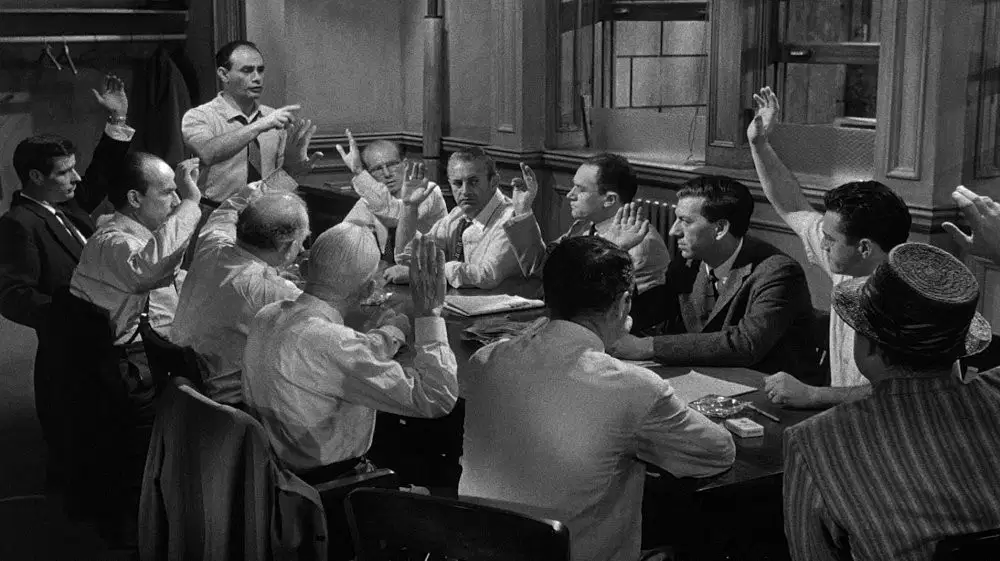
The United States of America identifies primarily as a:
Democratic-Republic
Banana Republic
Democracy
Republic
Sovereign Nation
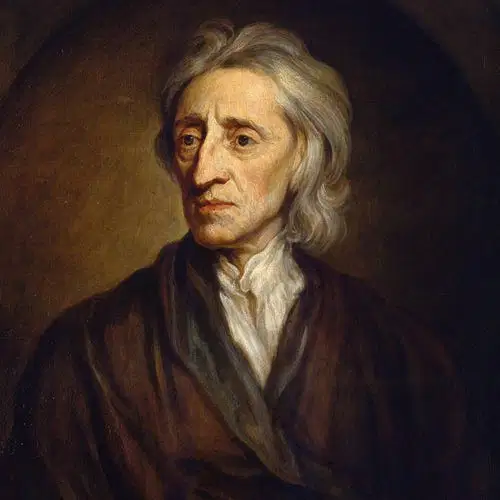
Life, Liberty and Property.
Thomas Hobbes
John Locke
Jean- Jacques Rousseau
Montesquieu
All answers are correct.,

In order to become a member of the US House of Representative, a person must be at least this minimum age:
21
25
30
35
No age requirements.
Voir Dire is a Latin term commonly used in a court of law. It means this:
All answers are correct
Interview
Jury Duty
Jury Selection
To speak the truth.

Cruel and Unusual Punishment.
First Amendment
Sixth Amendment
Eighth Amendment
10th Amendment
14th Amendment
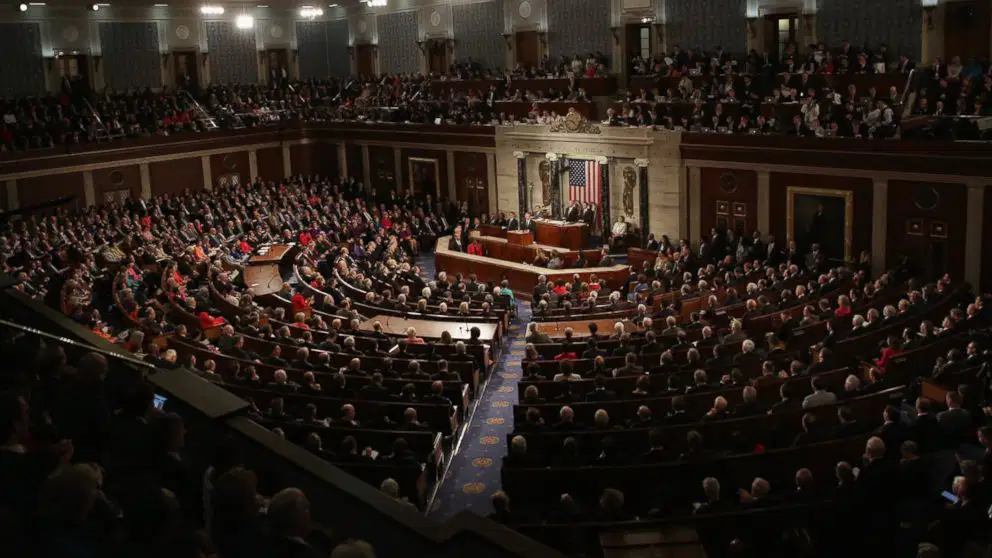
How many US Senators are in the US Senate?
200
435
50
100
535
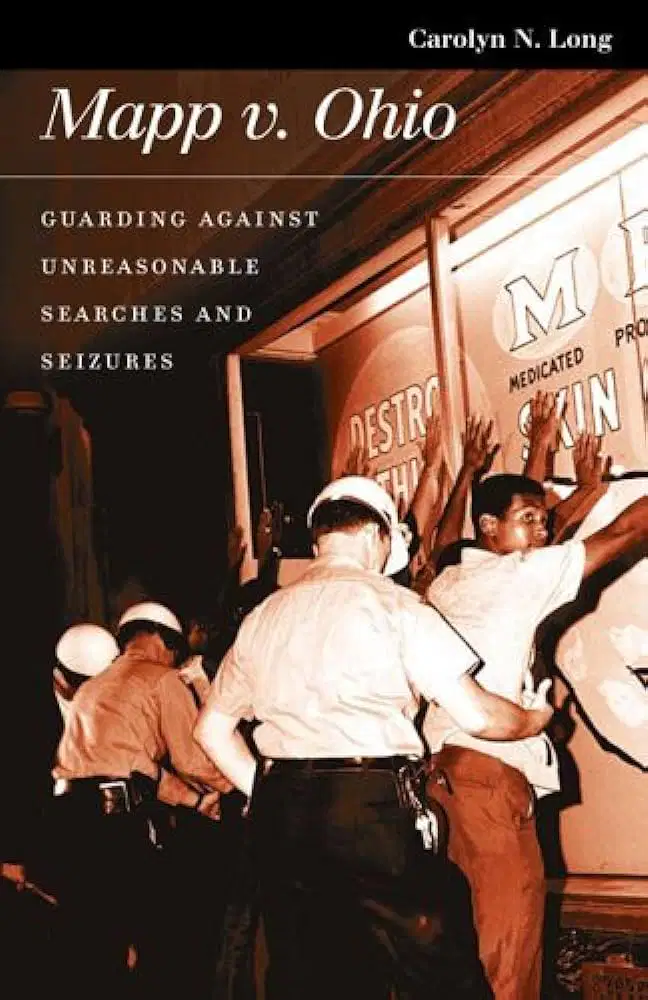
An effective tool for curbing Police misconduct during searches.
1st Amendment
4th Amendment
6th Amendment
14th Amendment
Exclusionary Rule

Linda Brown v. Board of Education (1954).
Ohio
Kansas
Georgia
Mississippi
Arkansas

Which former US Supreme Court Justice, whose Separate but Equal minority dissent, in Plessy v. Ferguson, would later serve as a blue print for Brown v. Board of Education in Topeka, Kansas some fifty years later.
Justice Thurgood Marshall
Justice John Marshall Harlan
Justice Earl Warren
Justice Sandra Day O'Connor
Justice Harry A. Blackmun

In Mendez v. Westminster (1947), the main argument for the plaintiff was:
Separation, due to race is immoral and wrong.
Segregation results in feelings of inferiority among Mexican children.
Segregation undermines one's ability to become productive Americans.
Segregation often leads to dropping out of school and working in the fields.
Segregation of races will lead to hostilities towards each other. The lack of integration and knowledge of a classmate's culture or ethnicity background and traditions creates a false sense of insecurity.

While he was Governor, and before he became Chief Justice of the Supreme Court, Earl Warren, signed a bill ending school segregation in this US State:
New York
Arkansas
Alabama
California
All answers are correct.

In Sweatt v. Painter, the US Supreme Court decided that Heman Marion Sweatt had a constitutional right to attend this University and apply for it's law school.
UCLA
Texas
Oklahoma
Texas A & M
Texas State
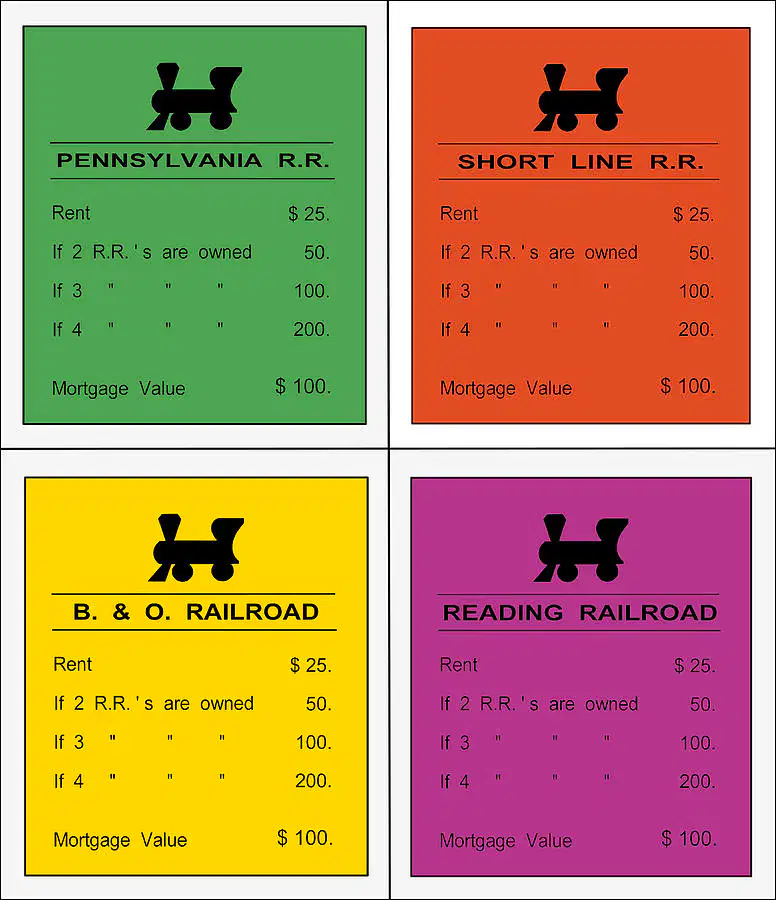
In Plessy v Ferguson, with Chief Justice Roger B. Taney writing the opinion; decided that Homer Plessy, a person of 1/8 African decent, was not "white enough" to ride coach on a train, in this US State.
Louisiana
Mississippi
Alabama
Georgia
California
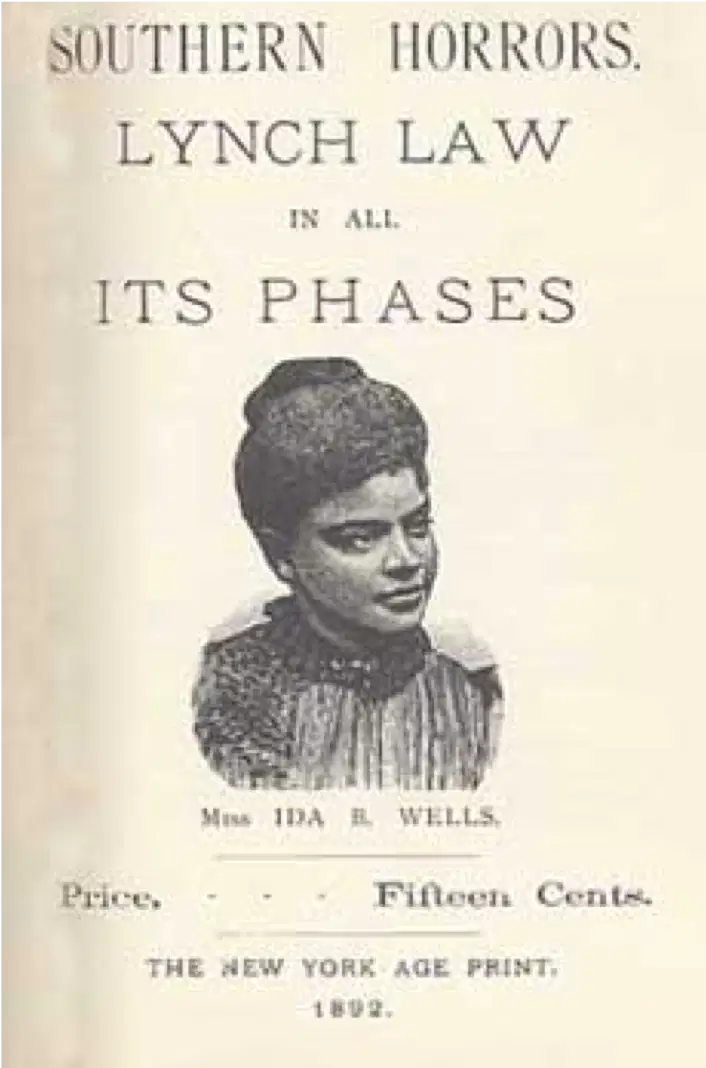
The abolition of Slavery.
14th Amendment
15th Amendment
19th Amendment
1st Amendment
13th Amendment

In United States v. Wong Kim Ark, the court decided that Wong Kim Ark was, in fact a US Citizen due his birthplace being in this US City.
San Diego
Monterey
Seattle
San Francisco
Stockton

In which group would you find the Fore-person?
Jurors #1 , #2 or #3
Jurors #4, #5, or #6
Jurors #7, #8, or #9
Jurors #10, #11, or #12
There is no fore-person on jury trials.

