
 Worksheets
Social Studys
Total questions: 57
Worksheet time: 41mins
Name
Class
Date
1.
The outermost solid layer of the Earth is called the
a)
mantle
b)
outer core
c)
inner core
d)
crust
2.
This layer of the Earth is found between the core and the crust.
a)
mantle
b)
outer core
c)
inner core
d)
crust
3.
The layer that lies beneath the mantle and surrounds the inner core.
a)
mantle
b)
outer core
c)
inner core
d)
crust
4.
Is a layer of week of soft mantle that is made of rock that flows slowly. Tectonic plates move on top of this layer.
a)
Inner Core
b)
Asthensophere
c)
Lithosphere
d)
Outer Core
5.
This is the outermost, rigid layer of the Earth, made up of two parts, is divided into pieces call tectonic plates.
a)
Inner Core
b)
Asthensophere
c)
Lithosphere
d)
Outer Core
6.
The solid, dense center of our planet that extends from the bottom of the outer core to the center of the Earth..
a)
mantle
b)
outer core
c)
inner core
d)
crust
7.

Identify the letter in the diagram. Identify letter A
a)
Lithosphere
b)
Asthenosphere
c)
Mantle
d)
Outer Core
8.
Identify the letter in the diagram. Identify letter E
a)
Lithosphere
b)
Asthenosphere
c)
Mantle
d)
Outer Core
9.
Identify the letter in the diagram. Identify letter F
a)
Lithosphere
b)
Asthenosphere
c)
Mantle
d)
Outer Core
10.
Identify the letter in the diagram. Identify letter G
a)
Crust
b)
Convection Current
c)
Inner Core
d)
Outer Core
11.
Identify the letter in the diagram. Identify letter B
a)
Crust
b)
Convection Current
c)
Inner Core
d)
Outer Core
12.
Identify the letter in the diagram. Identify letter D
a)
Lithosphere
b)
Asthenosphere
c)
Mantle
d)
Outer Core
13.
Identify the letter in the diagram. Identify letter C
a)
Lithosphere
b)
Asthenosphere
c)
Mantle
d)
Inner Core
14.
The driving force of the tectonic plates are convection currents, where can these be found?
a)
inner core
inner core
inner core
b)
crust
c)
mantle
d)
outer core
15.
The thinnest layer of the Earth is the ___________.
a)
mantle
b)
crust
c)
core
16.
Tectonic plates are made up of continental crust and ________ crust.
a)
continental
b)
oceanic
c)
plates
d)
mantle
17.
There are how many different types of crust?
a)
1
b)
2
c)
5
d)
3
18.
What is the thickest layer of the Earth?
a)
the crust
b)
the mantle
c)
the outer core
d)
the inner core
19.
What is the core made of?
a)
steel
b)
iron
c)
aluminum
d)
iron and nickel
20.
What describes the outer core?
a)
solid
b)
liquid
c)
viscous
d)
gas
21.
Why is the inner core solid?
a)
its unknown
b)
what it's made of
c)
the pressure
d)
it is colder than the outer core
22.
Which layer of the Earth is the only liquid layer?
a)
Outer Core
b)
Inner Core
c)
Mantle
d)
Lithosphere
23.
Which layer(s) of the Earth make up the asthenosphere?
a)
Part of the mantle
b)
Crust, mantle, Core
c)
Crust and upper mantle
d)
Only the crust
24.
What is the correct order (starting from the surface) of Earth's layers?
a)
crust, outer core, inner core, mantle
b)
mantle, outer core, inner core, crust
c)
crust, mantle, outer core, inner core
d)
outer core, inner core, crust, mantle
25.
What layer is a semisolid and acts like a plastic?
a)
Lithosphere
b)
Mantle
c)
Asthenosphere
d)
crust
26.
The oceanic floor is made of?
a)
Granite
b)
Basalt
c)
Cookies
d)
Water
27.
The continental floor is made up of?
a)
Flowers and grass
b)
Basalt
c)
Granite
d)
Crust
28.
What happens to pressure as we move from the crust to the inner core?
a)
Pressure Decreases
b)
Pressure Increases
c)
Nothing
29.
What happens to temperature as we move from the crust to the inner core?
a)
Decreases
b)
Increases
c)
Nothing
30.
Less dense materials rise to the top.
a)
True
b)
False
31.
Which layer of Earth has the GREATEST density?
a)
crust
b)
mantle
c)
outer core
d)
inner core
32.
Which layer of Earth is made up of tectonic plates?
a)
outer core
b)
inner core
c)
asthenosphere
d)
lithosphere
33.
What does erosion do?
a)
Break down rock
b)
changes rock chemically
c)
changes sediment in rock
d)
moves broken pieces of rock, or sediment, from one place to another
34.
Beaches that have eroded are reclaimed through____________.
a)
weathering
b)
Building of sea walls
c)
beach nourishment
d)
building of terraces
35.
Which feature forms from wind deposition?
a)
flood plains
b)
sand dunes
c)
deltas
d)
moraines
36.
A _______________ prevents flooding during heavy rainstorms and can often be seen on the sides of streets.
a)
contour plowing
b)
storm drains
c)
terracing
d)
dam
37.
A ________________________ structure is built across a river to control its flow.
a)
dam
b)
transform
c)
fault
d)
storm drain
38.
Volcanoes and earthquakes are both _______________ and ______________ processes because they can destroy AND build up the Earth.
a)
divergent and destructive
b)
constructive and destructive
c)
convergent and divergent
d)
sediment and weathering
39.
Erosion helps move ___________ from one place in order to deposit it someplace else.
a)
sediment
b)
transform
c)
erosion
d)
weathering
40.
Farmers use different methods like, ________________ and ______________________ to prevent the loss of soil on their land.
a)
transform and plates
b)
divergent and sediment
c)
contour plowing and terracing
d)
terracing and erosion
41.
An earthquake is caused by a crack in the crust called a __________.
a)
fault
b)
dam
c)
plates
d)
transform
42.
Deposition is a process that ______________.
a)
Dissolves sediment
b)
Removes sediment from landforms
c)
breaks down rock to form sediment
d)
drops sediment to form landforms
43.
Where do deltas form?
a)
in desert areas
b)
on the banks of rivers
c)
at river mouths
d)
in valleys formed by glaciers
44.
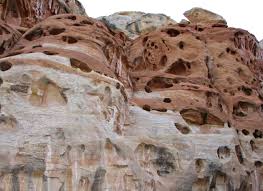
What is weathering?
a)
the break down of rock
b)
the transport of sediment
c)
a type of climate
d)
the aging of rock
45.
What is an earthquake?
a)
A sudden movement of the Earth's crust caused by a release of stress accumulated along geological faults or by volcanic activity.
b)
a. energy that builds up inside a volcanic mountain
c)
a. energy being released when erosion occurs
d)
a. molten rock pushing up through Earth's surface.
46.
How do earthquakes form?
a)
a. energy from a hurricane or tornado
b)
a. energy that builds up inside a volcanic mountain
c)
a. energy being released when crustal plates move
d)
a. the crust expands due to the heat.
47.
How are earthquakes CONSTRUCTIVE?
a)
they are only destructive!
b)
convergent boundaries build up the crust and form mountains
c)
They construct buildings
d)
The cause damage to buildings and other landforms
48.
How are earthquakes DESTRUCTIVE?
a)
Convergent boundaries cause volcanoes to form
b)
They are only constructive!
c)
They build up Earth's surface
d)
They break down Earth's surface
49.
what is deposition?
a)
volcanoes erupting
b)
water freezing into a glacier
c)
water flowing to the mouth of a river
d)
dropping off of sediment
50.
which one of the forces below is NOT constructive?
a)
volcano
b)
deposition
c)
faults
d)
earthquake
51.
what are 3 agents of depostion
a)
water, wind, ice
b)
ice, water, sand
c)
soild, liquid, and gas
d)
wind, ice, glacier
52.
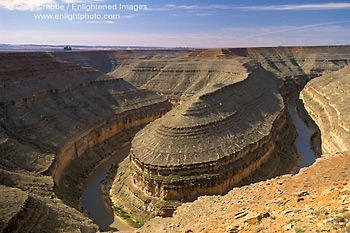
The process by which running water, wind, or ice carry away bits of broken-up rock
a)
weathering
b)
sedimentation
c)
erosion
d)
cementation
53.
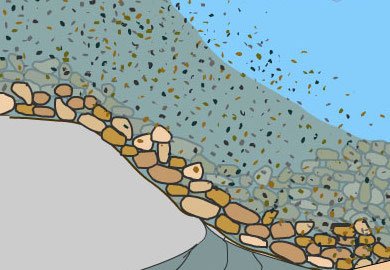
The process by which sediments settle out of water or wind
a)
deposition
b)
cementation
c)
weathering
d)
erosion
54.
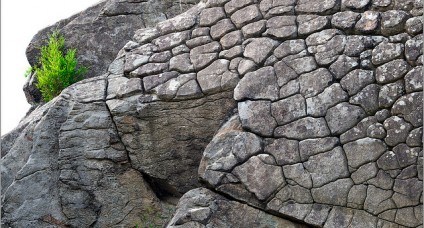
The process that breaks up rock on Earth's surface?
a)
deposition
b)
erosion
c)
compaction
d)
weathering
55.
Which landform is created by plates pushing together?
a)
Canyon
b)
Delta
c)
Mountain
d)
Sea arch
56.
Which of these things cause weathering?
a)
Wind
b)
Water
c)
Ice
d)
All of these
57.
how many atmospheres are on Earth?
a)
1
b)
7
c)
5
d)
2
100 %

