
NEW
Font size
 Worksheets
Photosynthesis Review
Total questions: 33
Worksheet time: 17mins

Which of the following is a product of photosynthesis?
water
carbon dioxide
oxygen
sunlight

Leaves look green because
Chloroplasts reflect green light and absorb the other colors
Chloroplasts absorb green light and reflect the other colors
Chloroplasts absorb the all colors
Leaves are dyed green

Cells obtain useable energy by
Breaking down an ADP into ATP to release energy
Building an ADP
Building an ATP
Breaking down an ATP into ADP to release energy

Photosynthesis takes place in the
lysosome
chloroplast
vacuole
mitochondria

Which of the following is NOT required for photosynthesis to occur?
sugar
sunlight
water
carbon dioxide

A lower energy molecule that can be converted to ATP by the addition of a phosphate group
ADP
ATP
NADP+
NADPH

The structure in the plant that contains chlorophyll and a stack of them is known as a grana
inner membrane
thylakoid
chloroplast
mitochondria

A process that captures energy from sunlight to make sugar that stores chemical energy
photosynthesis
cellular respiration
light dependent reaction
Calvin Cycle

Uses energy from a previous step and takes place in the stroma to produce sugar
Light dependent reactions
Light independent reactions
Electron transport chain
photosynthesis

A molecule that stores energy from the breakdown of food molecules and transfers it to cell processes
ADP
ATP
NADPH
NADP+

A series of reactions that uses carbon dioxide from the atmosphere to make simple sugars
Calvin cycle
ATP
chemosynthesis
Chlorophyll

Takes place in the thylakoids and captures energy from light
light dependent reaction
light independent reaction
dark cycle
Calvin cycle

A process by which some organisms use chemical energy instead of light energy to make energy storing molecules
chemosynthesis
photosynthesis
fermentation
cellular respiration

A molecule present in the chloroplast that absorbs light energy
chlorophyll
thylakoid
NADPH
ATP

An organelle found in plant and algae cells where photosynthesis occurs
chloroplast
mitochondrion
golgi body
vesicle

The tissue in a green plant where photosynthesis takes place.
Stroma
Mesophyll
Calvin Cycle
Light-Independent reactions

Fluid portion of the chloroplast; outside of the thylakoids where the light independent reaction takes place
Calvin Cycle
Thylakoid
Stroma
Stomata

Which phrase best describes the function of the ATP molecule?
store energy
carry energy
absorb energy
convert energy

Where does the chemical energy to produce ATP come from?
the conversion of ATP to ADP
the use of chemicals from the environment to build sugars
the addition of a phosphate group to ATP
the breakdown of carbon-based molecules into smaller molecules

Energy is released from an ATP molecule for cellular processes when it
has a phosphate group removed.
stores an extra phosphate group.
adds a phosphate group to ADP.
produces a sugar molecule.

Which of the following is the source of energy used in chemosynthesis?
sunlight
heat from hydrothermal vents
chemical compounds
amino acids

Is oxygen a product or reactant in photosynthesis?
Product
Reactant
Is carbon dioxide a product or reactant in photosynthesis?
Product
Reactant
Is glucose a product or reactant in photosynthesis?
Product
Reactant
Is water a product or reactant in photosynthesis?
Product
Reactant
Is energy a product or reactant in photosynthesis?
Product
Reactant

Which structure is the thylakoid?
C
D
Which structure is the stroma?
C
D
Location of the light dependent reactions?
C
D
Location of the light independent reactions?
C
D

Which statement is supported by the data in the graph?
The rate of oxygen production is lowest in section M.
The rate of oxygen production is greatest in section M.
The production of water molecules is greatest in section L.
The number of carbon dioxide molecules in the beaker is greatest in section K.
Which statement explains the effect of temperature on the rate of photosynthesis?
Oxygen molecules break down at temperatures above 25 degrees Celsius.
The rate of photosynthesis is unaffected by the temperature of the water.
The number of chloroplasts in the cell decreases as temperature increases
Enzymes involved with plant photosynthesis are denatured at temperatures above 25 degrees Celsius
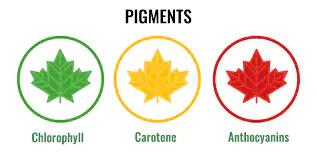
Why do leaves change color in the fall?
Chlorophyll goes into hibernation for the winter
Chlorophyll breaks down and accessory pigments can show through.
Accessory pigments break down and chlorophyll overpowers them
Accessory pigments go into hibernation for the winter

