
NEW
Font size
 Worksheets
Age of Reason - Scientific Revolution
Total questions: 30
Worksheet time: 20mins
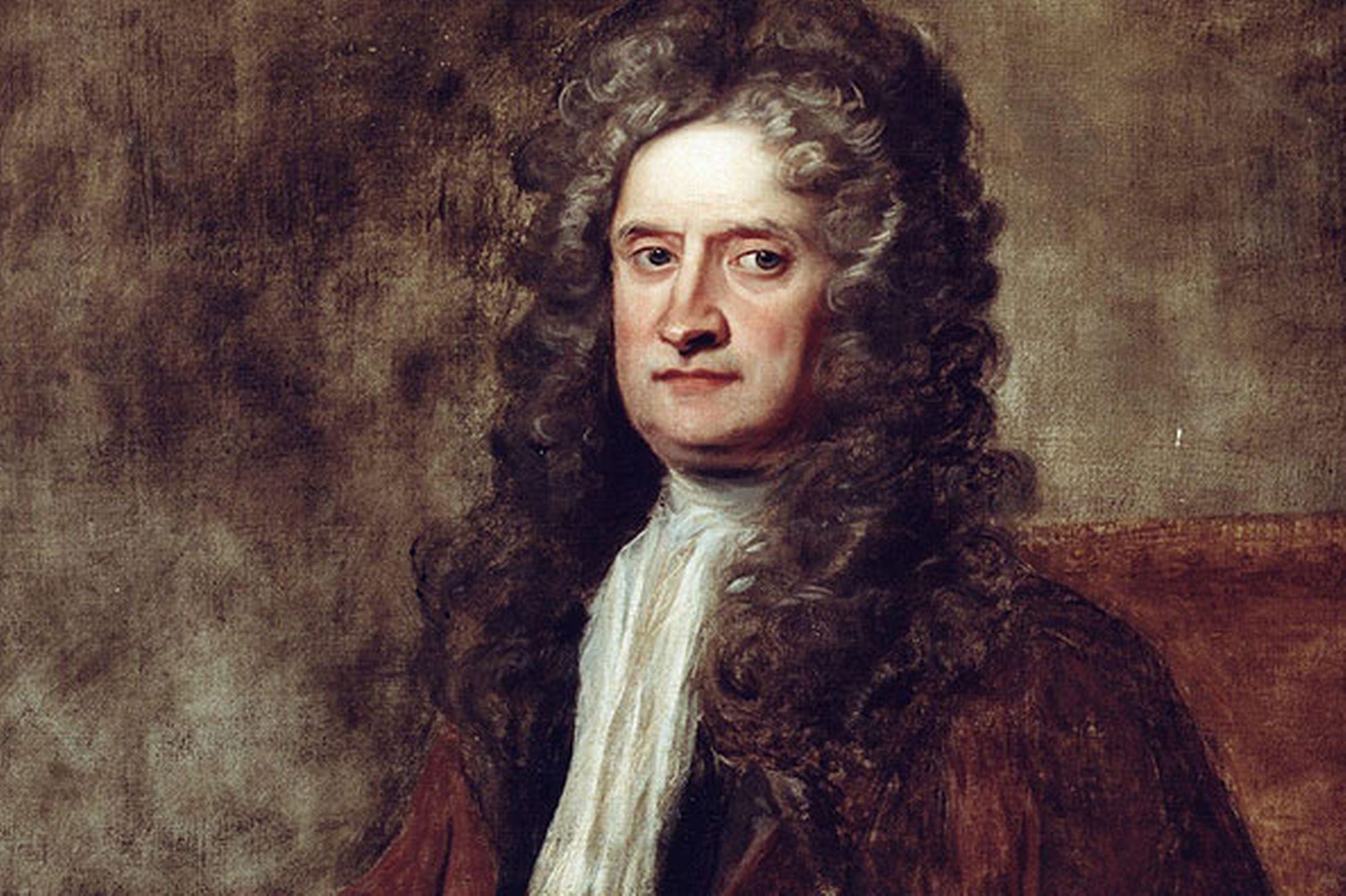

Which Enlightenment Thinker poked fun at traditional authority?
Voltaire
Montesquieu
Adam Smith
Rousseau
Who first came up with heliocentric theory?
Galileo
Copernicus
Seth Cowen
Isaac Newton
The Scientific Revolution began when people started...
writing dramas, fictions , and music.
analyzing human anatomy and scientific discoveries.
questioning the preexisting ideas stated by the church.
spending time in jail for their ideas.
What was an outcome in society as a result of the Scientific Revolution?
C.
There was an application for the scientific method to be used in society as a whole.
There was a reliance on ancient authorities/philosophers to explain the physical world to us.
There was an assumption the human body was similar to the anatomy of other animals.
There was belief that the earth was an unmoving object at the center of the universe.
What happened to Galileo after he supported the heliocentric model?
He was arrested and had to recant his beliefs.
He made Ptolemy recant his beliefs.
He published Earth and the Sun book explaining his discovery.
Nothing. The Catholic Church wiped it from record and he was forgotten.
Salons were intellectual gathering that started in Paris by ...
Mary Astell
Mary Theresa
Mary Geoffrin
Mary Wollstonecraft
The applied reason and scientific method in all aspects of society (government, religion, economics, and education) is known as ...
Scientific Revolution
Enlightenment
Bill of Rights
Social Contract
Rousseau and _______________ agreed that government should be based on the consent of the governed.
Locke
Hobbes
Beccaria
Bacon
Which philosopher believed in separation of powers and a checks and balances?
Montesquieu
Locke
Hobbes
Voltaire
Which philosopher believed in the freedom of speech?
Montesquieu
Locke
Hobbes
Voltaire
Which of the following were known for composing music?
Locke and Hobbes
Montesquieu and Voltaire
Mozart and Beethoven
Galileo and Copernicus
What was the system of knowledge that was most important during the Scientific Revolution?
Traditions and Church teachings
Observation and experimentation
Classical learning and travel
Divine wisdom and Biblical texts
Who was known for their work in chemisty?
Copernicus
Boyle
Bacon
Ptolemy
Who was known for their work for laws of gravitation?
Copernicus
Boyle
Bacon
Newton
During the Age of Reason, the contributions of _______________ challenged the religious views of the church.
Copernicus
Galileo
Newton
All of These
The grand, ornate style of the 1600s and 1700s art and architecture is known as ....
Rococo
Baroque
Classical
Gothic
When Thomas Jefferson wrote his key principles of government and natural rights, he was influenced by ...
Adam Smith
St. Augustine
Aristotle
Hobbes
The writing of John Locke contributed to the a _______________ monarchy (Magna Carta, Glorious Revolution, and English Bill of Rights).
Absolute Monarchy
Imperialist Policies
Socialism
Constitutional Monarchy
What type of government would a person want who says, "Power tends to corrupt; absolute power corrupts absolutely."
Absolute Monarchy
Representative Democracy
Which two developed the scientific method?
Galileo & Copernicus
Descartes & Bacon
Rousseau & Hobbes
Beethoven & Mozart
How did the Scientific Revolution impact people’s thinking?
People began to rely on teachings of the Church for understanding science.
People rejected the use of human reason to understand the world & its problems.
People began to question traditional Church teachings in favor of direct observation of nature.
People began to reject the idea of scientific study of any kind.
Who believes that it is the duty of government to protect our natural inalienable rights and that men are born free & have equal rights?
Locke & Rousseau
Descartes & Bacon
Galileo & Ptolemy
Voltaire & Hobbes
The Enlightenment and the Scientific Revolution are all a part of the ...
Age of Reason.
Church teachings.
Classics of Plato and Aristotle.
None of these.

