
 Worksheets
Steele HS Kingdom Classification
Total questions: 13
Worksheet time: 8mins
Name
Class
Date
1.

An illustration and a dichotomous key are given. What is the correct classification for this organism?
a)
Class Insecta
b)
Order Amblygygi
c)
Order Araneae
d)
Order Scorpiones
2.
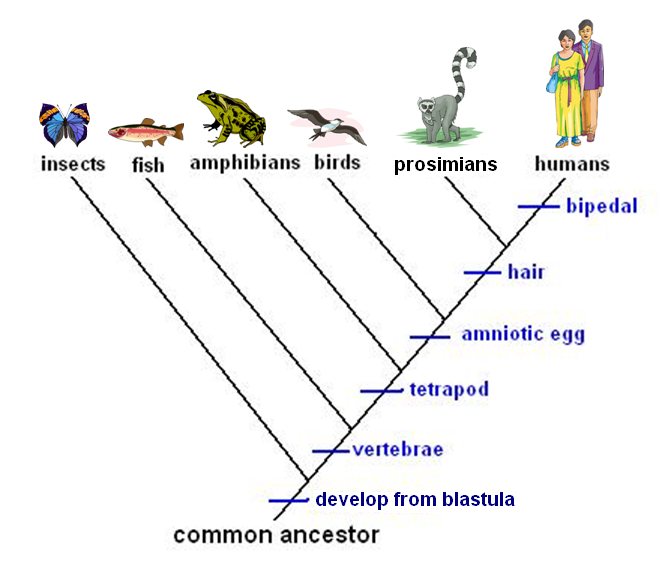
Which organisms pictured on the cladogram have hair?
a)
prosimians only
b)
prosimians and humans
c)
humans only
d)
prosimians and birds
3.

I am prokaryotic and am found everywhere. What kingdom do I belong to?
a)
Eubacteria
b)
Archaebacteria
c)
Fungi
d)
Protista
4.
What kingdom do unicellular, prokaryotic organisms that live in extreme environments?
a)
Animal
b)
Archaebacteria
c)
Eubacteria
d)
Plant
5.
I have a nuclear membrane, can do photosynthesis and am multicellular. What kingdom do I belong to?
a)
Animalia
b)
Archaebacteria
c)
Plantae
d)
Protista
6.
I'm motile and have no cell walls. What kingdom do I belong to?
a)
Animalia
b)
Archaebacteria
c)
Eubacteria
d)
Plantae
7.
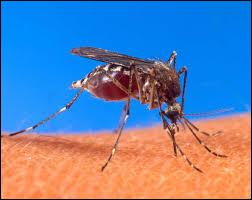
Mosquito belongs to what kingdom?
a)
Animal Kingdom
b)
Plant Kingdom
c)
Fungi Kingdom
d)
Protista Kingdom
8.
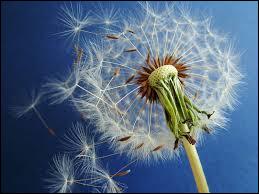
Dandelion, What kingdom does it belongs to?
a)
Plant Kingdom
b)
Animal Kingdom
c)
Fungi Kingdom
d)
Protista Kingdom
9.
Members of this kingdom are multicellular and heterotrophic.
a)
Plantae
b)
Protista
c)
Animalia
d)
Achaebacteria
10.
This organism is multicellular, heterotroph, that has a cell wall made of chitin. What kingdom does it belong in?
a)
fungi
b)
plantae
c)
animalia
d)
eubacteria
11.
An organism is microscopic, does not have a nucleus, and is known to cause strep throat in humans. What kingdom does it belong in?
a)
archaebacteria
b)
fungi
c)
eubacteria
d)
protista
12.
This organism is found in pond water. It has a nucleus, is microscopic, unicellular and can perform photosynthesis. What kingdom does it belong in?
a)
protista
b)
eubacteria
c)
archaebacteria
d)
plantae
13.
This organism is multicellular, autotroph, that has a cell wall made of cellulose.
a)
animalia
b)
plantae
c)
fungi
d)
eubacteria
100 %

