
 Worksheets
Year 7 test revision
Total questions: 50
Worksheet time: 35mins
Which of these these rhythm symbols equal one beat? Hint: There may be more than one answer.


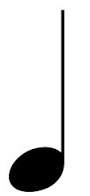


What are these notes?
Quavers
Minims
Semibreves
What is rhythm
The beat
Mix of long and short notes
The speed
How high or low

What is the name of this symbol?
Minim rest
Semibreve Rest
Crotchet rest

How many beats do two quaver notes get?
1
2
3
4

What is this Rhythm Symbol?
Minim
Crotchet
Semibreve
Semiquaver

What is this Rhythm Symbol?
Crotchet
Quaver
Semibreve
Minim

What is this Rhythm Symbol?
Crotchet Rest
Minim rest
Semibreve Note
Minim note

What is the name of this rest?
Semibreve
Minim
Crotchet
Quaver

How many beats does this rest last for?
4
2
1
1/2

What´s the name of this note?
Breve
Semibreve
Crotchet
Minim

This note is also called...
Half note
Quarte note
Whole note
Minim


What are the "open" strings on the Ukulele?
G C E A
C D A G
E A D G
D E A G

How are good sounds made on a ukulele?
hitting
striking or hammering the strings
blowing
strumming or plucking the strings

Part 2 is called the...
Body
Saddle
Nut
Neck

Part 4 is called the...
Ukulele
Sound hole
Saddle
Body

Part 5 in the ukulele image is called the...
Bridge
Nut
Saddle
Headstock

Part 6 is known as the...
Fretboard
Tuning pegs
String
Headstock

Part 8 refers to the...
Fret
String
Neck
Bridge

Part 9 is called the...
Body
Sound hole
Center
String

What Chord is this?
F
G
D
Amin

What chord is this?
C
F
Amin
D

What chord is this?
D
G
Amin
C

What chord is this?
G
Emin
C
F
What Chord is this?
F
G
D
Amin
What are the two different types of Maori Music?
Weka
Haka
Karanga
Waiata
What is the Maori name for instruments?
E te Ariki
Karanga weka
Paoro Taika
Taonga Puoro
Select all which are Maori instruments
Nguru
Putorino
Kaiwaka
Putatara
Select all which are Maori instruments
heihei
Pūkaeā
Koauau
Karanga weka
True or False, Koauau is a flute
True
False
True or false, the Karanga weka was used to welcome people and announce events or occasions of importance, and was also a war trumpet
True
False
True or false, the pūkaeā was used to welcome people and announce events or occasions of importance, and was also a war trumpet
True
False
True or false, the Karanga Weka was used for imitating bird calls
True
False
True or false, the Putorino was used for imitating bird calls
True
False
True or false, waiata is a dance that involves the entire body in vigorous rhythmic movements
True
False
True or false, haka was performed as part of the rituals of encounter when two parties met or when a visitor was welcomed into the community.
True
False
True or false, the most famous haka is “Ka Mate,” composed about 1820 by the Maori chief Te Rauparaha.
True
False
True or false, waiata can record a tribe’s past by referring to ancestors, events and places.
True
False
True or false, waiata were written to mark important events such as the birth of a child or the death of a chief.
True
False
True or false, the three main types of haka are oriori (lullabies), waiata tangi (laments) and waiata aroha (love songs)
True
False

