wayground logo

Free Printable Worksheets

NEW

Font size

S
M
L
XL
Worksheets

Grade 7 Geography Review

Total questions: 30

Worksheet time: 18mins
Name
Class
Date
1.
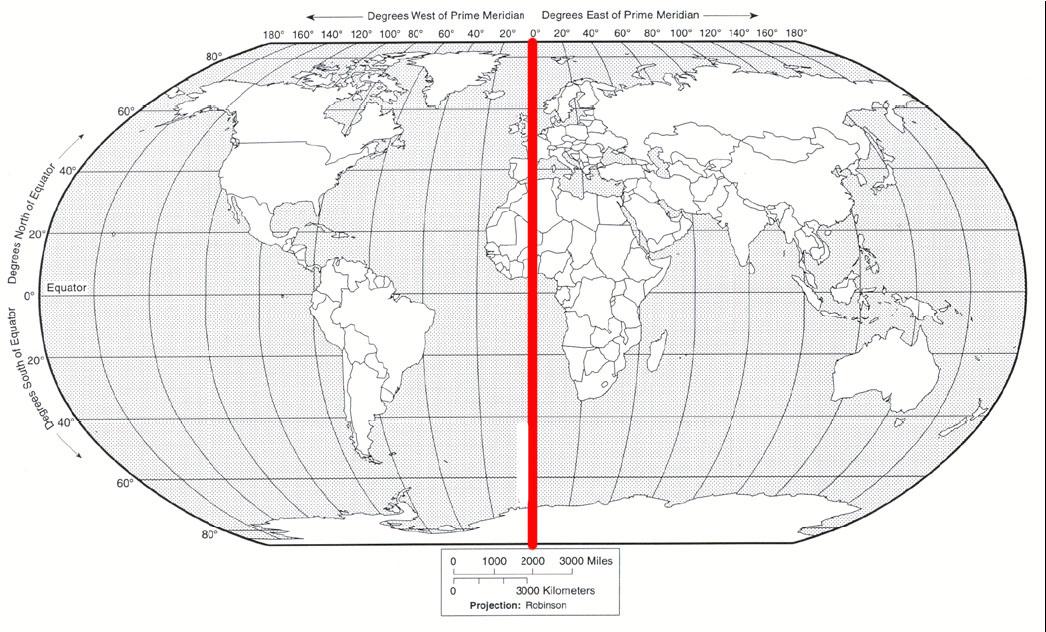
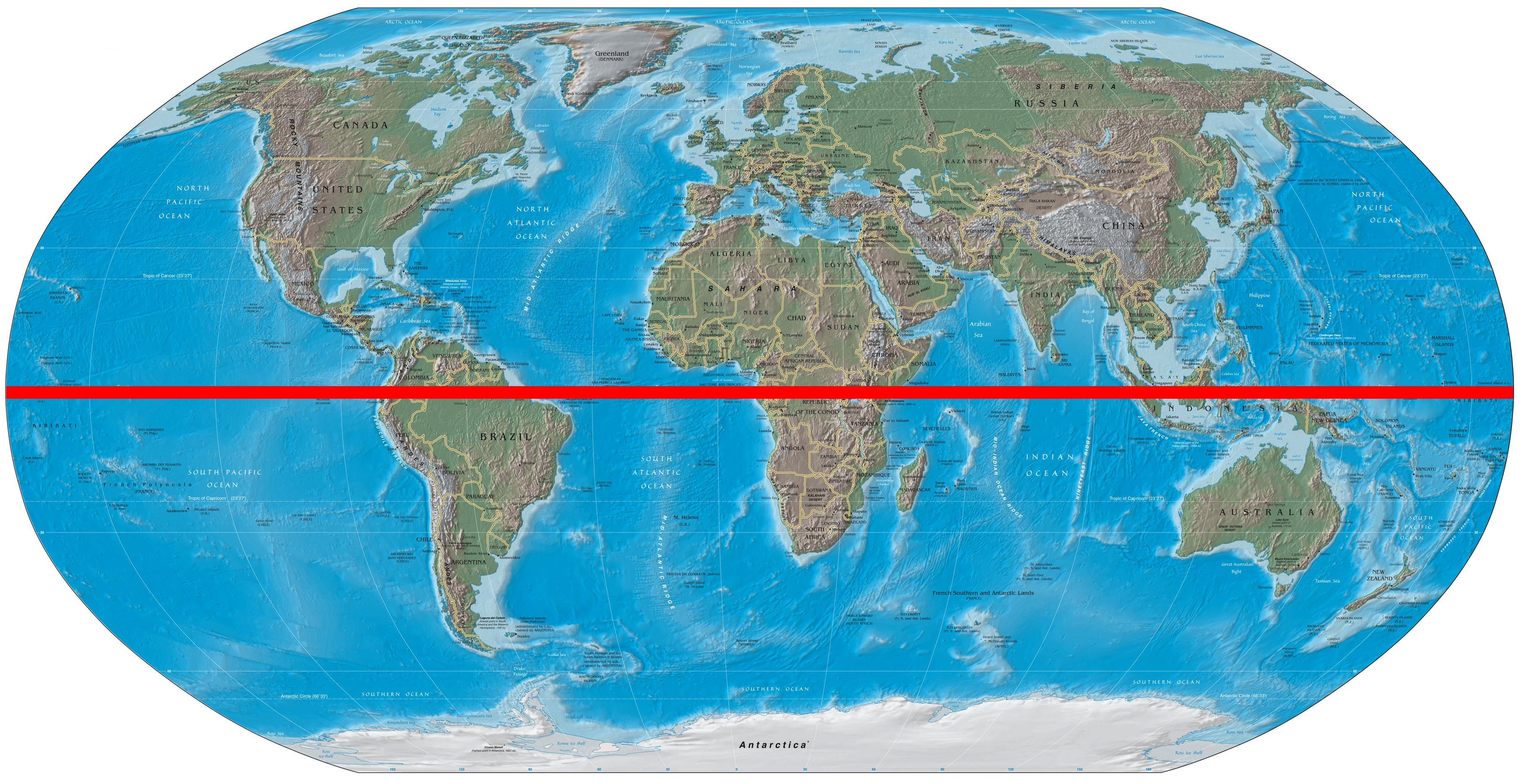
What is the name of this line at 0 degrees latitude?
a)
Prime Meridian
b)
Equator
c)
North Pole
d)
South Pole
2.

What is the name of the line at 0 degrees longitude?

a)

Equator

b)

Prime Meridian

c)

North Pole

d)

South Pole

3.
Rain washing away soil from a hillside
a)
Weathering
b)
Erosion
c)
Deposition
4.
Large flat area of land that is higher than the surrounding land.
a)
Plateau
b)
Valley
c)
Hill
5.
A piece of land surrounded by water.
a)
Island
b)
Peninsula
c)
Gulf
6.
What is this landform?
a)
valley
b)
hills
c)
river
d)
lake
7.
a)
A. Deserts
b)
B. Hills
c)
C. Mountains
d)
D. Lake
8.
a)
A. Ocean
b)
B. Hills
c)
C. Plains
d)
D. Canyon
9.
What is weathering?
a)
A type of climate
b)
A transport of sediment
c)
The breakdown of rock
d)
The aging of rock
10.

What are renewable resources? What is an example of a renewable resource?

a)

Renewable resources can be regrown or continuously used; an example is natural gas

b)

Renewable resources are used only once; an example is natural gas

c)

Renewable resources can be regrown or continuously used; an example is solar power

d)

Renewable resources are used only once; an example is solar power

11.

What are non-renewable resources? What is an example of a non-renewable resource?

a)

Non-renewable resources can be regrown or continuously used; an example is natural gas

b)

Non-renewable resources are used only once; an example is natural gas

c)

Non-renewable resources can be regrown or continuously used; an example is solar power

d)

Non-renewable resources are used only once; an example is solar power

12.

People use _______ for timber production, agriculture, and mining.

a)

land

b)

trees

c)

machines

d)

reforestation

13.

___________ are cut down to make wood and paper products, for fuel, and to clear land for agriculture, grazing, or building homes or highways.

a)

Roads

b)

Plants

c)

Trees

d)

Rocks

14.

The removal of large areas of forest for human purposes is called ______________.

a)

deforestation

b)

desertification

c)

urban sprawl

d)

mining

15.
Define tributaries
a)
small rivers or streams that flow into a large river or stream
b)
a natural stream of water of considerable volume
c)
precipitation that flows over the land to streams
d)
a continuous ridge that separates a watershed
16.
What is a watershed?
a)
Land that collects and channels water froma small body of water to a larger body of water
b)
The shape of the land determined by elevation
c)
A natural stream of water of considerable  volume
d)
A river and all its tributaries
17.

What type of water drainage pattern is this?

a)

tree

b)

dendritic

c)

trellis

d)

tributary

18.

What kind of water drainage pattern is this?

a)

trellis

b)

dendritic

c)

tributary

d)

estuary

19.
What are the 3 major climate zones in order from equator to the poles?
a)
polar, temperate, tropical
b)
tropical, temperate, polar
c)
temperate, polar, tropical
20.
The two main factors that determine the climate of a region are _____________ and ______________.
a)
altitude and pressure
b)
pressure and temperature
c)
temperature and precipitation
d)
altitude and pressure
21.
Which climate zone would be hot and rainy with dense forests?
a)
Polar Climate Zone
b)
Cold Temperate Climate Zone
c)
Tropical Climate Zone
d)
High Mountain Climate Zone
22.

Which climate zone is very cold all year and the ground is covered in ice and snow?

a)

Polar Climate Zone

b)

Tropical Climate Zone

c)

Humid Temperate Climate Zone

d)

Desert Climate Zone

23.
Which climate zone do we live in?
a)
Temperate
b)
Tropical
c)
Polar
d)
Savannas
24.
What is weather?
a)
The average weather conditions over a long period of time.
b)
The minute by minute conditions outside.
25.
What is climate?
a)
The average weather conditions over a long period of time.
b)
The minute by minute conditions outside.
26.
Which of the following natural resources are nonrenewable?
a)
Water
b)
Animals
c)
Natural gas
d)
Wind
27.
Can be replaced within a human lifetime
a)
Nonrenewable resource
b)
Renewable resource
28.
Which group includes ALL renewable resources?
a)
Coal, trees, water, oil
b)
Water, wind, sun, plants
c)
Minerals, sun, natural gas, water
29.

The process of using resources wisely is called:

a)

overuse

b)

sustainability

c)

pollution

d)

burning

30.

What is Canada's most plentiful natural resource?

a)

Beaver Tails

b)

timber

c)

oil

d)

gold