Wayground logo

Free Printable Worksheets

Font size

S
M
L
XL
Worksheets

Final Exam Review

Total questions: 65

Worksheet time: 1hrs 25mins

Name
Class
Date
1.
How many PRIMARY colors are there?
a)
4
b)
3
c)
11
2.
What are the three PRIMARY colors?
a)
green, yellow, red
b)
blue, red, green
c)
yellow, red, blue
3.
PRIMARY colors can be defined as:
a)
any of a group of colors from which all other colors can be made by mixing
b)
colors made by mixing a primary and secondary color
c)
colors formed by mixing secondary colors
4.
Which of the following are ALL SECONDARY colors.
a)
yellow, purple, orange
b)
yellow, red, blue
c)
purple, orange, green
5.
SECONDARY colors are formed by:
a)
mixing tertiary colors.
b)
mixing secondary colors.
c)
mixing primary colors.
6.
what does red and yellow make?
a)
green
b)
purple
c)
orange
7.
what does red and blue make?
a)
purple
b)
orange
c)
green
8.
What does yellow and blue make?
a)
purple
b)
green
c)
orange
9.
What are these called?
a)
Tertiary Colors
b)
Primary Colors
c)
Monochromatic Colors
d)
Complementary Colors
10.
Answer the color equation:
Red + Blue=
a)
Purple
b)
Green
c)
Yellow
d)
Orange
11.
Which one is NOT a primary color?
a)
green
b)
red
c)
yellow
d)
blue
12.

Starting with Red, and going to the right what's the correct order of the colors on the color wheel?

a)

Red, Orange, Green, Violet, Blue, Yellow

b)

Red, Orange, Yellow, Green, Blue, Violet

c)

Red, Violet, Blue, Green, Yellow, Orange

d)

Red, Orange, Blue, Green, Orange, Yellow

13.

Why are certain colors secondary colors?

a)

Because they are less important

b)

Because they can be made by mixing two primary colors

c)

Because they are usually darker

14.

What colors can you mix to make Violet?

a)

Blue and Yellow

b)

Orange and Green

c)

Blue and Red

d)

Yellow and Green

15.
What substance is necessary to join two pieces of clay together?
a)
glue
b)
slip
c)
epoxy
d)
water
16.
What is a kiln used for?
a)
To dry the clay
b)
To fire the clay
17.
What are four basic techniques for forming clay?
a)
glazing, drying, decorating and burnishing
b)
forming, shaping, molding and contrast
c)
pinching, coiling, slab building and molding 
18.
What are some techniques of creating hand-built forms out of clay?
a)
kneading, wedging and spiraling
b)
pinching, coiling and slab building
c)
handling clay
19.
Clay that has been fired once is called
a)
leather hard
b)
bone dry
c)
glazeware
d)
bisqueware
20.
Glaze is made out of
a)
sand
b)
plastic
c)
clay
d)
glass
21.

We score, slip and smooth to

a)

attach pieces of clay together

b)

soften clay

c)

rework clay

d)

make a mess

22.

Which of these is not a method we used for hand-building with clay?

a)

Coils

b)

Pinch-pots

c)

Slabs

d)

Blocks

23.

What is clay called before it is fired?

a)

Greenware

b)

Bisqueware

c)

Adaware

d)

Spyware

24.

What do your hands do the more you touch clay?

a)

Dry out

b)

Get sticky

c)

Turn Green

d)

Get cold

25.

What do you cook your clay in?

a)

Oven

b)

Piroclayoven

c)

Clay Oven

d)

Kiln

26.

Keith Haring was know for doing graffiti where?

a)

Playgrounds

b)

Trains

c)

Subways in New York

d)

Sidewalks

27.

Primary colors are important because?

a)

They are pretty

b)

They look cool

c)

They make new colors

d)

They are on the color wheel

28.

What type of artist was Keith Haring?

a)

Pop artist

b)

Realistic artist

c)

Abstract artist

d)

Cave artist

29.

Keith Haring added lines around his figures to create __________?

a)

To make them funny

b)

Hair

c)

Crazy line designs

d)

Movement or motion

30.

Which images are created by Keith Haring?

a)
b)
c)
d)
31.

A primary color + a primary color = A _____________ color.

a)

Primary

b)

Secondary

c)

Shade

d)

Tint

32.

Pick the details that are the most used in Keith Haring's artworks.

a)

Cartoon figures

b)

Dull colors

c)

Thick black lines

d)

Figures showing movement

e)

Realistic

33.

What are the different types of figures Keith Haring creates?

a)

Cats

b)

Dogs

c)

Babies

d)

Dancing people

34.

What did Keith Haring use to create artworks in the subway?

a)

Pencils

b)

Markers

c)

Spray Paint

d)

Chalk

35.
What is the definition of Rhythm in Art ?
a)
something a person has when they sing 
b)
A Repeated element but with variations in most artwork.
c)
when someone has "beat"
d)
when something in the painting is moving 
36.
Principle of art used to create the look and feeling of action and to guide the viewer's eyes throughout the work of art.
a)
Rhythm
b)
Emphasis
c)
Movement
d)
Unity
37.
The principle of art that indicates movement by the repetition of elements.
a)
Balance
b)
Variety
c)
Rhythm
d)
Unity
38.
What are the subjects of a portrait?
a)
Animals
b)
Humans
c)
Insects
d)
Places
39.
Portraits can be made of:
a)
Paint
b)
Clay
c)
Bubble Gum
d)
All of the Above
40.
When a portrait painting is made with color and portions that are true to life it is described as being painted in a 
a)
abstract style
b)
realistic style
c)
water color technique
d)
modern representation
41.
Any art representing yourself or the artist is called what? 
a)
Self-Portrait
b)
Picture 
c)
Modeling
d)
Painting 
42.
A Self-Portrait is a picture of
a)
You
b)
Your friend
c)
Your mom
d)
A person
43.
Symmetry is ...
a)
-when one shape is exactly opposite of another shape 
b)
-when one shape becomes exactly like another if you flip it
c)
-when one shape becomes exactly like another if you slide it
d)
reflectional symmetry
44.

In 1872 when impressionism started did people support there art work??

a)

No people criticized them.

b)

No one really cared.

c)

yes they were everyone loved them.

45.

Impressionists painters were trying to capture what?

a)

The light and everyday subjects

b)

The unconscious mind and dreams.

c)

Popular culture of the time.

d)

Morals and stories from the bible.

46.
What does the word "Renaissance" mean?
a)
Renewed
b)
Rebuilt
c)
Remade
d)
Rebirth
47.
Title...
a)
Madonna
b)
Mona Lisa
c)
Margaret
d)
da Vinci
48.
The revolutionary art technique that made art look more realistic is called what?
a)
prospect
b)
perception
c)
perspective
d)
procursor
49.

What art period would this image belong to?

a)

Pop Art

b)

Impressionism

c)

Renaissance

d)

Op art

50.

What art period would this image belong to?

a)

Pop Art

b)

Impressionism

c)

Renaissance

d)

Op Art

51.

What art period would this image belong to?

a)

Pop Art

b)

Impressionism

c)

Renaissance

d)

Op Art

52.

What art period would this image belong to?

a)

Pop Art

b)

Impressionism

c)

Renaissance

d)

Op Art

53.

What art period would this image belong to?

a)

Pop Art

b)

Impressionism

c)

Renaissance

d)

Op Art

54.
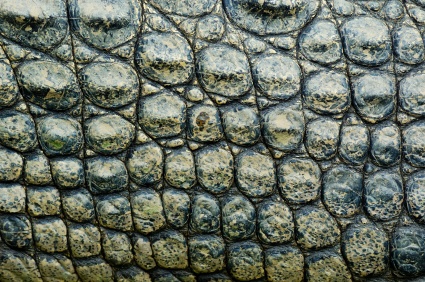
The image is a good example of which element?
a)
pattern
b)
texture
c)
shape
d)
emphasis
55.
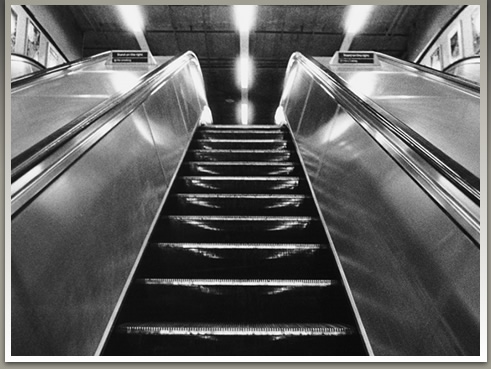
This image is a good example of which element?
a)
movement
b)
pattern
c)
line
d)
form
56.
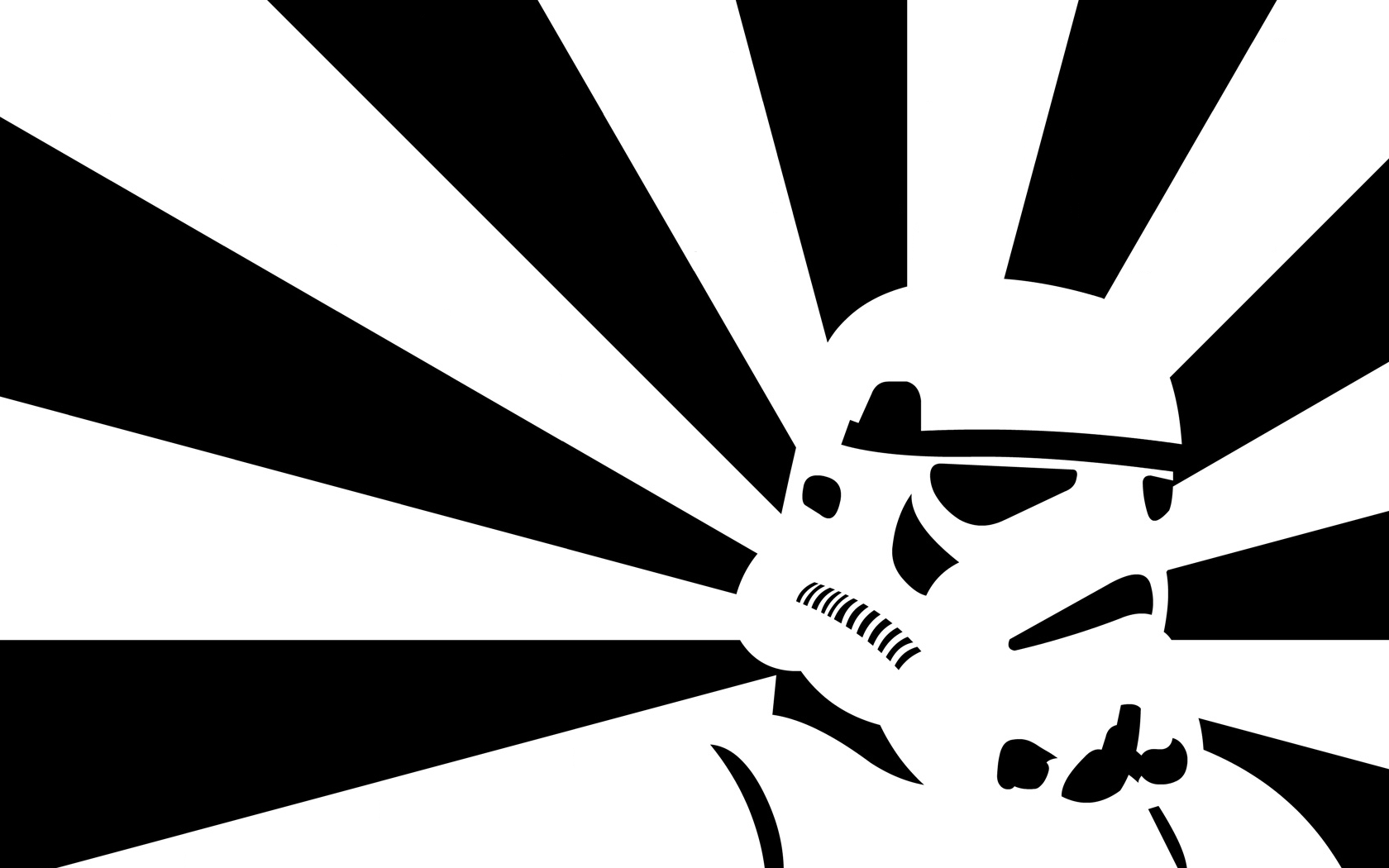
This image is a good example of which principle?
a)
value
b)
space
c)
movement
d)
contrast
57.
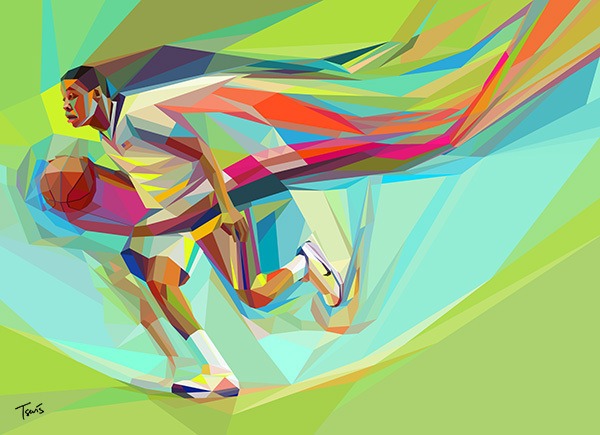
This image is a good example of which principle?
a)
space
b)
movement
c)
form
d)
value
58.
This image is a good example of what principle?
a)
space
b)
emphasis
c)
line
d)
texture
59.
What kind of color scheme is the image? 
a)
Complimentary
b)
Analogous
60.
What is the color scheme?
a)
Complimentary
b)
Analogous
61.
What colors can be mixed to create all other colors?
a)
Primary colors
b)
Secondary colors
c)
Warm colors
d)
Cool colors
62.
A color scheme that uses different values of a single hue/color by showing tints and shades of the same color.
a)
monochromatic
b)
analogous
c)
complementary pairs
63.
a)
monochromatic
b)
analogous
c)
complementary 
64.
a)
analogous
b)
monochromatic
c)
complementary
65.
a)
monochromatic
b)
analogous
c)
complementary