wayground logo

Free Printable Worksheets

NEW

Font size

S
M
L
XL
Worksheets

Chapter 12 Islam

Total questions: 60

Worksheet time: 41mins

Name
Class
Date
1.

A building for muslim prayer

a)

mosque

b)

pilgrimage

c)

temple

d)

church

2.

A journey to a sacred place

a)

pilgrimage

b)

Muslim

c)

caravan

d)

hike

3.

A follower of Islam

a)

Muslim

b)

Islam

c)

Judaism

d)

Christianity

4.

A group of traders that travel together.

a)

Caravan

b)

pilgrimage

c)

journey

d)

koran

5.

A religion based on the messages Muhammad is believed to have received from God

a)

Islam

b)

Muslim

c)

Jewish

d)

Christian

6.

A wet fertile area within a desert

a)

oasis

b)

mirage

c)

temple

d)

heaven

7.

He was the founder of Islam. He spread Islam beliefs to the people of Arabia. These beliefs and teachings made up the Koran.

a)

Muhammad

b)

Jesus

c)

Moses

d)

Obama

8.

believed Caliph must be related to Muhammad, sometimes spelled Shi'ites

a)

Sunni

b)

Caliph

c)

Shia

d)

Government

9.

Belief in one God

a)

Country

b)

Religion

c)

Mosque

d)

Monotheism

10.

Chief Muslim ruler

a)

Government

b)

Shia

c)

Caliph

d)

Sunni

11.

Legal system based on Islam

a)

Government

b)

Caliph

c)

Sharia Law

d)

Al Qaeda

12.

believed Caliph should be the best qualified, unrelated to Muhammad

a)

Sunni

b)

Caliph

c)

Shia

d)

Government

13.
Someone who lives by traveling from place to place
a)
caravan
b)
5 pillars
c)
nomads
d)
musliums
14.
What are the core beliefs of Islamic faith?
a)
5 pillars
b)
8 pillars
c)
2 pillars
15.
What contains the sacred writings of Islam
a)
Bible
b)
Qur'an
16.
Birthplace of Muhammad and the holiest city for Musliums.
a)
Medina
b)
Charlotte
c)
Mecca
17.
What do the Islam, Judaism, and Christianity have in common?
a)
They all believe in one god
b)
The belief that Jesus is the Messiah
c)
The believe that Muhammad is the main prophet of God
d)
The belief in multiple gods
18.
What type of climate does the Arabian Peninsula have?
a)
Rainy
b)
Snowy
c)
Tropical-wet and hot
d)
Desert-hot and dry
19.
How did people adapt to the conditions of the Arabian Peninsula?
a)
They used camels to travel, and they settles near oases
b)
They traveled to other countries
c)
They were not able to adapt and slowly began dying
d)
None of the above
20.
What are the two groups of Muslims called?
a)
Romulus and Remus
b)
Sunni and Shiite
c)
Allah and God
d)
Moses and Muhammad
21.
What geographical feature was located in the middle of the Arabian peninsula?
a)
water
b)
beach
c)
desert
d)
plains
22.

What inspired Muhammad to preach Islam?

a)

Poor people

b)

His family

c)

An angel

23.

What is the meaning of Islam?

a)

"surrendering to the will of Allah"

b)

"living a life of good works"

c)

"everyone is equal in the eyes of Allah"

24.
How many times do you have to do the ritual of prayer?
a)
3
b)
1
c)
2
d)
5
25.
Which of these is NOT one of the five pillars of Islam?
a)
There is no god but god.
b)
The pilgrimage to Mecca must be made.
c)
Fasting must be done every day.
d)
Donations to charity must be made annually.
26.
What is the pilgrimage to Mecca called?
a)
Kaaba
b)
Tajj
c)
Hajj
d)
Medina
27.
What is a major holiday in Muslim culture?
a)
Ramadan
b)
Christmas
c)
Kwanzaa
d)
Hannukah
28.
What is the body of law for Islam?
a)
Talmud
b)
Sawm
c)
Qu'ran
d)
Sharia
29.
What is an oasis?
a)
A dry area with water and vegetation
b)
A fertile area in Arabia that has water and vegetation
c)
A fertile area in a desert that has water and vegetation
d)
A desert that has water
30.
According to the Five Pillars of Islam, every Muslim must:
a)
Read the bible
b)
Give alms
c)
Believe in many gods
d)
Obey official priests
31.
One obligation of a Muslim is to make at least one pilgrimage to:
a)
Medina    
b)
Mt Arafat    
c)
Baghdad
d)
Mecca
32.
During Ramadan Muslims are expected to:
a)
Refrain from almsgiving
b)
Make a pilgrimage to Mecca
c)
Fast from sunrise to sunset
d)
All of the above
33.

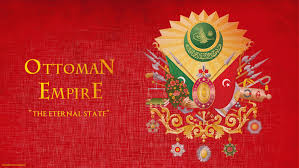
This Empire was responsible for creating the Taj mahal?

a)

Ottoman

b)

Safavid

c)

Muhgal

34.

Janissaries were Christian Fighters for this empire?

a)

Ottoman

b)

Safavid

c)

Muhgal

35.
The Safavid Empire is MOST associated with which modern-day country?
a)
India
b)
Iran
c)
Saudi Arabia
d)
Turkey
36.
Who were the supreme authority in the Ottoman Empire?
a)
sultans
b)
grand vizier
c)
pashas
d)
ulema
37.

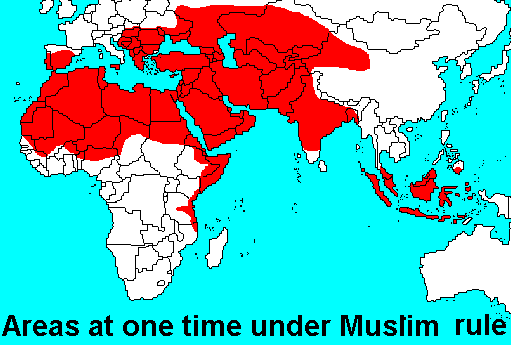
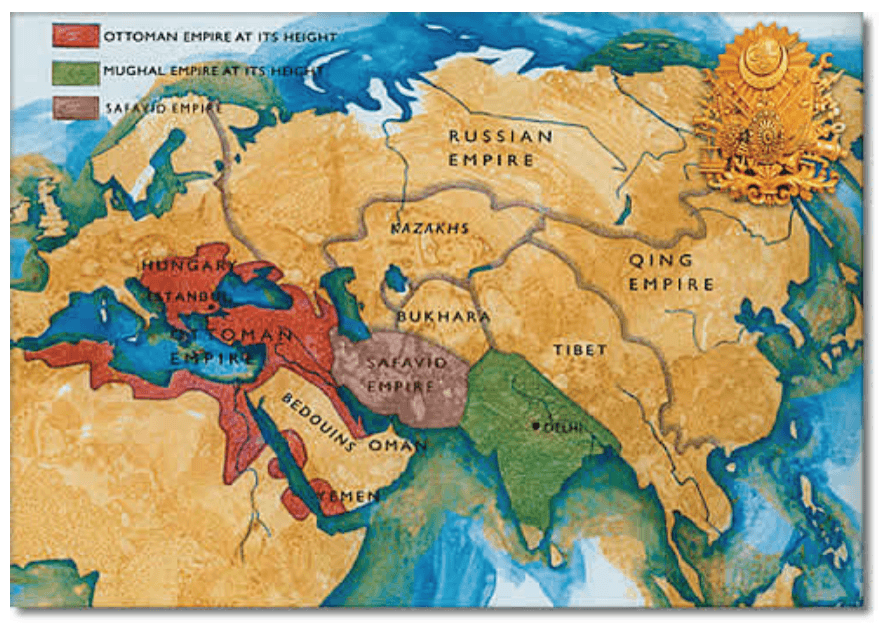
Which empire was once located across this piece of land?

a)

Ottoman

b)

Safavid

c)

Mughal

d)

Russian

38.

True or False: The Caliph was purely a religious leader and no political power whatsoever.

a)

True

b)

False

39.
Muslim empires were characterized by all of the following EXCEPT:
a)
New military technology
b)
Strong armies
c)
Cultural diffusion
d)
Democratic governments
40.
Which of the following empires did the Ottoman Empire follow?
a)
Roman Empire
b)
Anglo-Saxon Empire
c)
Greek Empire
d)
Byzantine Empire
41.
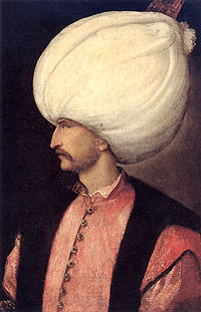
Why was Suleyman the Magnificent so magnificent?
a)
He created a new law code.
b)
He reduced taxes.
c)
He gave religious freedom.
d)
All of the other answers are correct.
42.
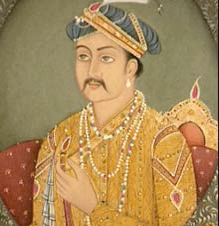
Which Mughal Emperor took the throne at age 13 and supported aggressive military power?
a)
Babur
b)
Akbar
c)
Abbas
d)
Suleyman
43.
What primarily led to the decline of the Ottoman and Safavid Empires?
a)
massive droughts
b)
incompetent leadership
c)
invading armies
d)
religious wars
44.
The Mughal Empire was able to rule over a society that was predominantly
a)
Buddhist
b)
Christian
c)
Hindu
d)
Muslim
45.

This is an image of a _______________ from which people are called to prayer.

a)

pillar

b)

minaret

c)

obelisk

d)

spire

46.

What town did Muhammad and his followers escape to, in order to escape persecution?

a)

Mecca

b)

Medina

c)

Mali

d)

Cairo

47.

Which map is associated with the origin of Islam?

a)
b)
c)
d)
48.
What city do Muslims need to face when they pray?
a)
Timbuktu
b)
Mecca
c)
Rome
d)
Sumer
49.

The Arabic word for "God" is..

a)

God

b)

Buddah

c)

Allah

d)

Muhammad

50.
In the Middle East, during the Golden Age of Islamic culture, scholars were encouraged to --
a)
reject all knowledge that was Western in origin.
b)
ignore the achievements of Chinese culture.
c)
preserve and expand ancient Greek & Roman learning. 
d)
accept medieval European religious traditions.
51.
Which factor helps explain the scientific and literary achievements of the Muslims during their Golden Age?
a)
expansion of trans-Atlantic trade
b)
innovations introduced by Europeans during the Renaissance
c)
cultural diversity accepted by Islamic Caliphates
d)
legal equality of all people in the Islamic Empire
52.
A major contribution of the Golden Age of Islam was the --
a)
development of mercantilism.
b)
creation of the first polytheistic religion.
c)
spread of democratic ideals.
d)
advancements in mathematics & science.
53.
This form of record keeping is an example of
a)
Hieroglyphics
b)
Arabic Calligraphy
c)
Cyrillic
d)
Cuneiform
54.
The art of beautiful handwriting; used to write the Qur'an and considered highly beautiful in the Islamic world.
a)
calligraphy
b)
cursive
c)
idk
d)
all of the above
55.

{Where?} Before its destruction by the Mongol Empire, what city was the capital of the Islamic Caliphate and the center of learning in Arabia & Persia?

a)

Baghdad

b)

Mecca

c)

Constantinople

d)

Kabul

56.

Mathematics: The word ______________ has an Arabic word root.

a)

Algebra

b)

Mathematics

c)

Geometry

d)

Optometry

57.
Which of these was not present in Islamic art?
a)
calligraphy
b)
images of humans
c)
geometric designs
58.
Muslims contributed to Education by _________
a)
creating mosques
b)
building palaces
c)
creating schools and libraries
d)
inventing the compass
59.
Which of the following was an important piece of literature written by a Muslim author?
a)
The Princess and the Pea
b)
Romeo and Juliet
c)
Arabian Nights
d)
The Land Before Time
60.
What is the best definition of a golden age?
a)
a period of great prosperity
b)
a time when gold was used to make weapons and tools
c)
a peaceful, happy time in history
d)
a time during which a society or culture is at its peak