
 Worksheets
Friday Quiz 2/8
Total questions: 20
Worksheet time: 17mins
Name
Class
Date
1.
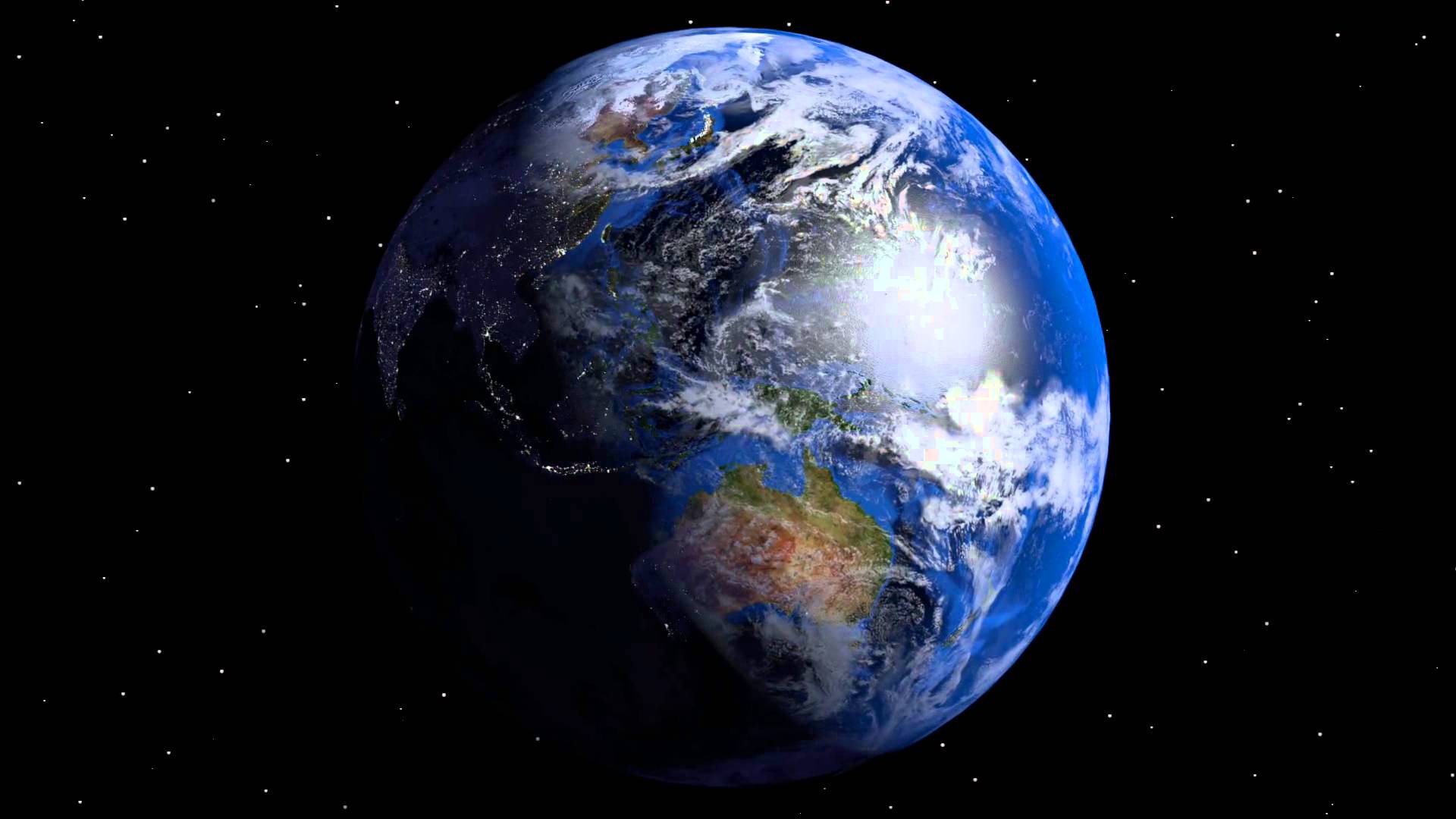
Spinning of the Earth on its axis is called...
a)
rotation
b)
revolution
c)
orbit
d)
double axis
2.
The EARTH REVOLVES around the:
a)
Sun
b)
Moon
c)
The Earth doesn't revolve
d)
The sun rotates
3.
Day and night is caused by the _____________ of earth on its axis.
a)
revolution
b)
orbit
c)
rotation
d)
space
4.
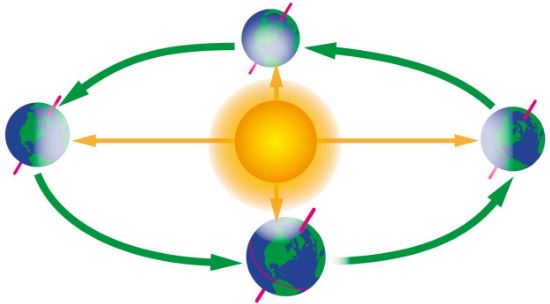
Why is it warmer in the summer?
a)
Closer to the sun
b)
More direct light from Earth's tilt
c)
Stronger light from the sun
d)
Earth spins slower
5.
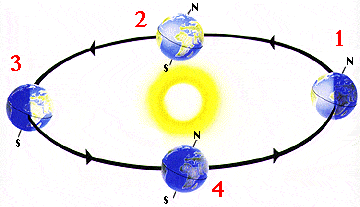
Which season is taking place in the Northern Hemisphere in Position 1?
a)
Winter
b)
Spring
c)
Summer
d)
Fall
6.
If its ____ in the Northern hemisphere, then its summer in the Southern hemisphere.
a)
spring
b)
summer
c)
fall
d)
winter
7.
What causes the season to happen on earth?
a)
the sun
b)
the moon
c)
tilt of the earth on its axis
d)
the rotation around the sun
8.
What degree is the earth tilted?
a)
23
b)
25
c)
23.5
d)
25.5
9.
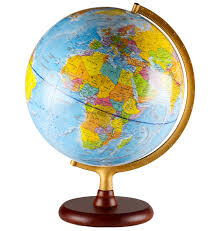
Why do globes lean sideways?
a)
To allow them to spin easier.
b)
To demonstrate the tilt of Earth's axis.
c)
To demonstrate the effects of gravity.
d)
To demonstrate day and night.
10.
According to Kepler, the paths of planets about the Sun are
a)
parabolas.
b)
circles.
c)
straight lines.
d)
ellipses
11.
Planets orbit the Sun in a shape called a(n)
a)
circle
b)
ellipse
c)
focus
d)
perihelion
12.
The place where a planet is closest to the Sun as it orbits the Sun is called the
a)
perihelion
b)
aphelion
13.
The place where a planet is farthest away from the Sun in its orbit around the Sun is called the
a)
aphelion
b)
perihelion
14.
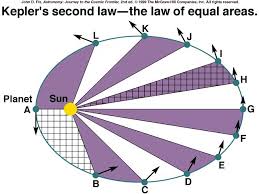
Where is the planet moving faster
a)
Position A to B
b)
Position B to C
c)
Position H to I
d)
Position I to J
15.

What is true about the area between points A, B and the Sun, and the area between points H, I and the Sun?
a)
The area between A, B and the Sun is the largest.
b)
The area between H, I and the Sun is the largest
c)
Both areas are equal in size
d)
There is not enough information to determine the areas
16.
Kepler's 2nd Law deals with
a)
the shape of the planets' orbits
b)
the speed/area the planet travels
c)
the length of time it takes the planet to orbit the sun
17.
A planet moves __________ when it is farthest from the sun.
a)
faster
b)
slower
18.
What did Kepler discover about planets and their orbital speed?
a)
Planets closest to the Sun will orbit with the fastest orbital speed.
b)
Planets with the greatest mass will orbit the Sun with the fastest orbital speed.
c)
Planets furthest from the Sun will orbit with the fastest orbital speed.
d)
Planets with the least mass will orbit the Sun with the fastest orbital speed.
19.
In simplest terms, what does Kepler's 3rd law state?
a)
planets take a long time to orbit the sun
b)
there is no relationship between the distance of planet from the sun and the time it takes to orbit the sun
c)
there is a mathematical relationship between the distance of a planet from the sun and the time it takes to orbit the sun
d)
every planet has the same orbital period
20.
As distance between two objects increase the pull of gravity
a)
Increases
b)
Decreases
c)
Stays the same
100 %

