
NEW
Font size
S
M
L
XL
 Worksheets
Atomic Structure
Total questions: 32
Worksheet time: 22mins
Name
Class
Date
1.
What subatomic particles would you find in the nucleus of an atom?
a)
Protons only
b)
Protons and Neutrons
c)
Neutrons and Electrons
d)
Protons and Electrons
2.
Which subatomic particles contribute the most to the mass of an atom?
a)
Protons, Neutrons, Electrons
b)
Protons only
c)
Protons and Electrons
d)
Protons and Neutrons
3.

What is the number of protons that the element in this image contain?
a)
14
b)
7
c)
15
d)
18
4.
Protons and Electrons balance the charge of an atom.
a)
True
b)
False
5.
If an atom has 12 positively charged subatomic particles, which of the following must it also have to be considered a neutral atom?
a)
12 neutrons
b)
12 electrons
c)
12 protons
d)
24 protons and neutrons
6.
An atom has 10 protons, 15 neutrons and 10 electrons what is its mass number.
a)
20
b)
10
c)
5
d)
25
7.
An element with a mass number of 11 and an atomic number of 5 has how many neutrons?
a)
11
b)
5
c)
6
d)
16
8.
The particles of the atom you can find by knowing the atomic number.
a)
neutrons
b)
protons and electrons
c)
protons and neutrons
d)
atomic mass
9.

Which letter represents a proton?
a)
A
b)
B
c)
C
d)
D
10.
Which letter represents a neutron?
a)
A
b)
B
c)
C
d)
D
11.
Which letter represents an electron?
a)
A
b)
B
c)
C
d)
D
12.
Which letter represents the nucleus?
a)
A
b)
B
c)
D
d)
E
13.

What is the atomic mass of the atom pictured?
a)
9
b)
10
c)
18
d)
19
14.
What is the atomic number of the atom pictured?
a)
9
b)
10
c)
18
d)
19
15.
Which subatomic particle has a positive (+) charge?
a)
Neutron
b)
Proton
c)
Electron
16.
Which subatomic particle has a negative (-) charge?
a)
Proton
b)
Electron
c)
Neutron
17.
Which subatomic particle has a neutral or no charge?
a)
Proton
b)
Electron
c)
Neutron
18.

Where are the Electrons found in the structure of an atom?
a)
In the nucleus
b)
In spaces around the nucleus
19.

In this picture, the Electrons are found in which color?
a)
Blue
b)
Red
c)
Green
20.
This particle determines what element you have - the elements identity.
a)
electron
b)
proton
c)
neutron
d)
valence shell
21.
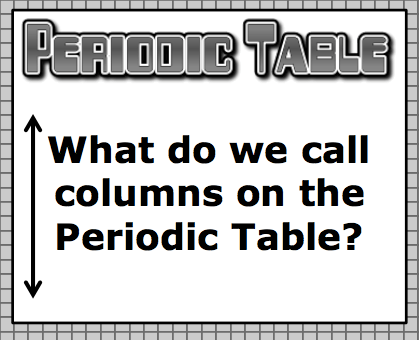
a)
Periods
b)
Groups
22.
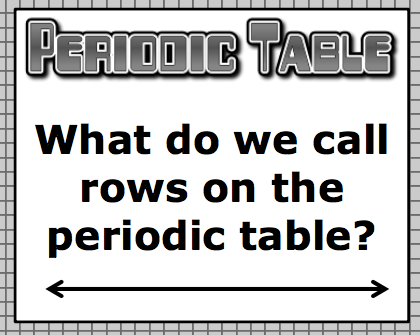
a)
Periods
b)
Groups
23.

How did Mendeleev arrange the elements?
a)
alphabetical
b)
density
c)
melting point
d)
atomic mass
24.
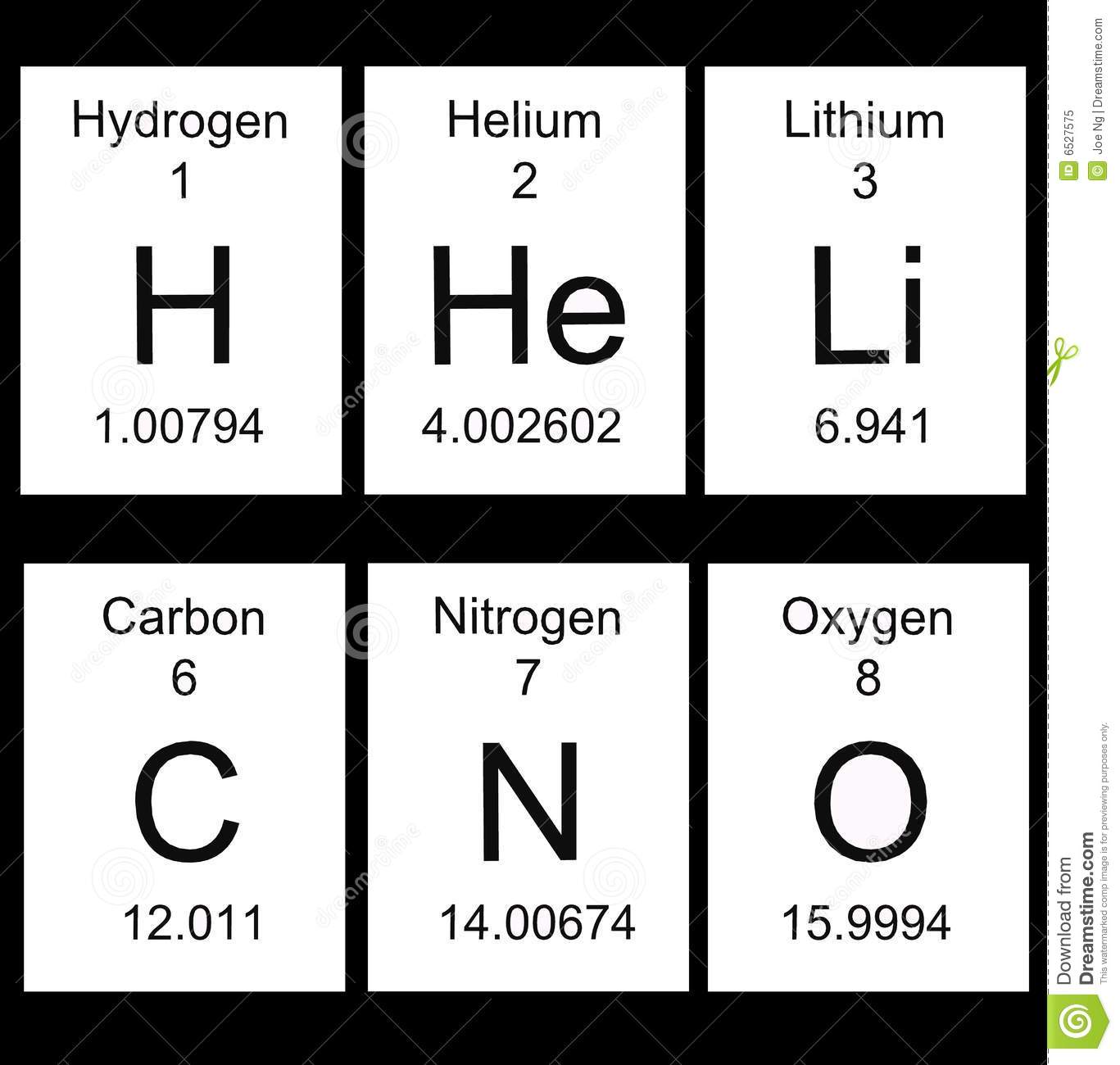
The number at the bottom of each square on the periodic table is the ...
a)
atomic number
b)
atomic mass
c)
chemical symbol
d)
element name
25.
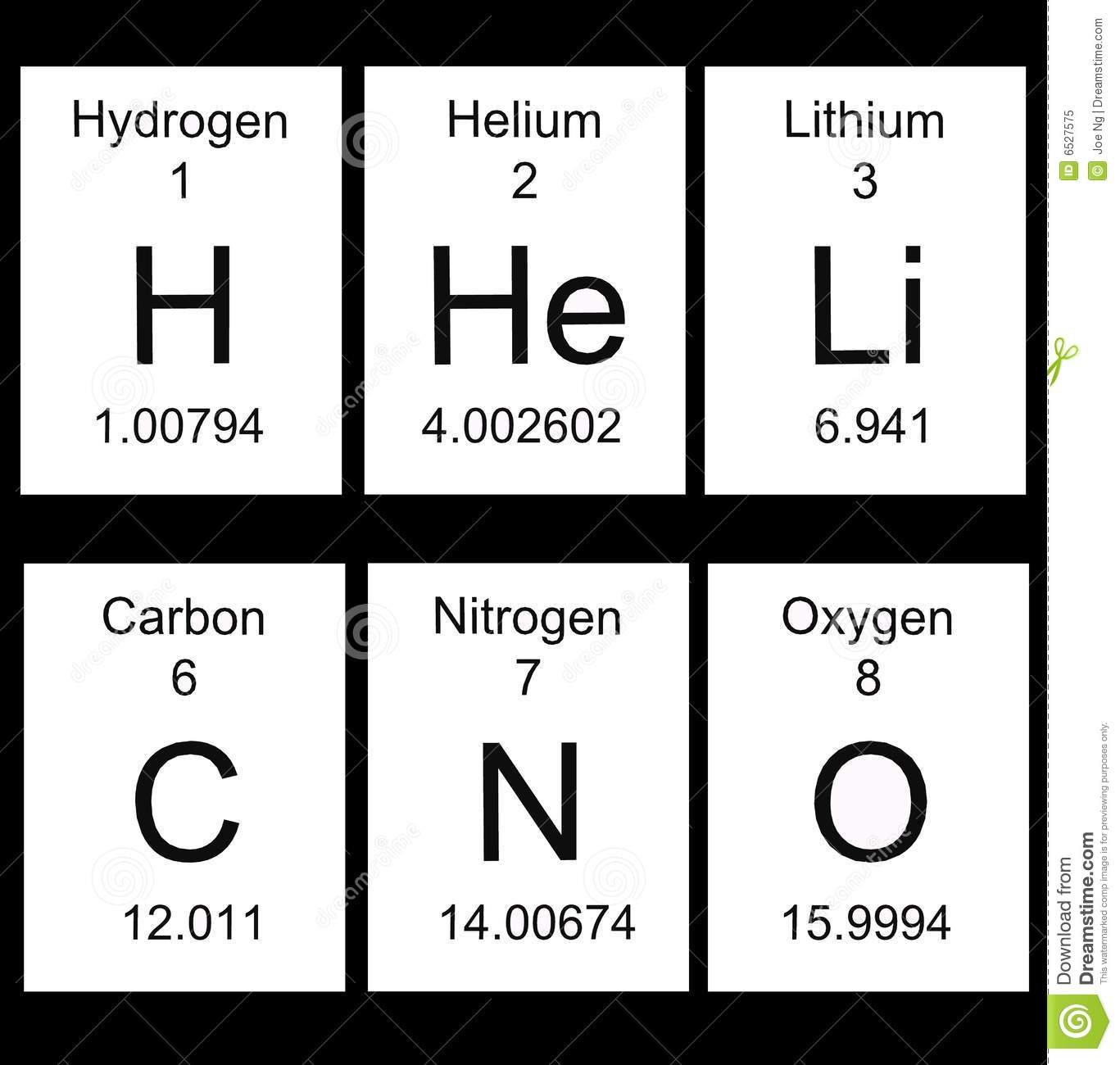
The number at the top of each square on the periodic table is the ...
a)
atomic number
b)
atomic mass
c)
Chemical Symbol
d)
Element Name
26.
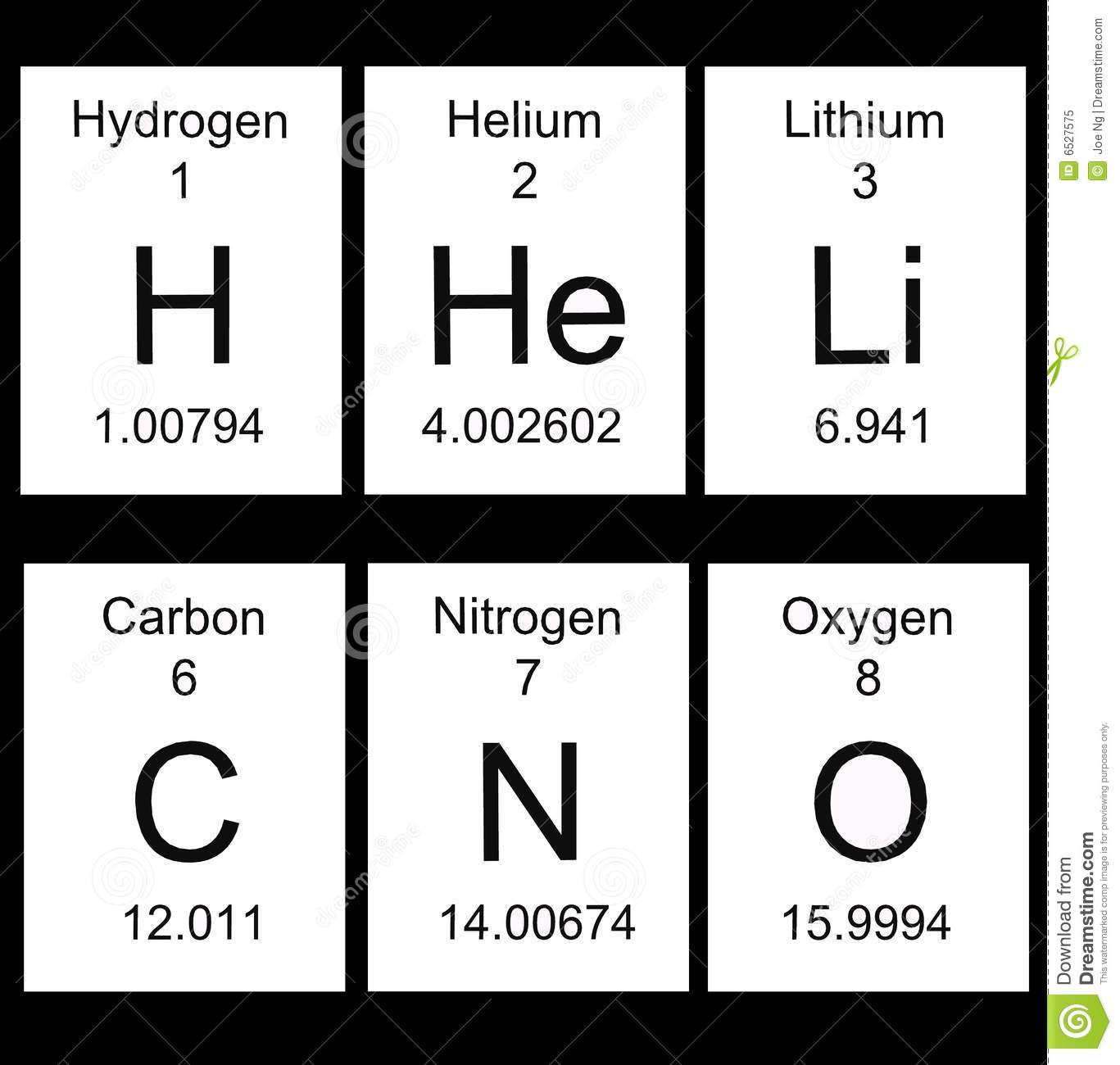
What is the chemical symbol for Lithium?
a)
H
b)
He
c)
Li
d)
N
27.
Why do bonds form?
a)
To fill the valence shell of electrons for the elements involved
b)
to release energy stored in the bonds
c)
because whenever you mix two chemicals, there will be a reaction
d)
because of attraction
28.

What's a valence electron?
a)
electrons in the second energy level
b)
electrons in the outermost energy level
c)
the atomic number
d)
electrons in the first level
29.
How many valence electrons does Beryllium have?
a)
1
b)
2
c)
3
d)
4
30.
How many valence electrons does carbon have?
a)
1
b)
3
c)
4
d)
5
31.
Atoms are most stable when their outer shell is filled with electrons.
a)
true
b)
false
32.

Atoms want
a)
A full outer shell of electrons
b)
One electron short of a full shell
c)
kit kats
Reset

