Wayground logo

Free Printable Worksheets

Font size

S
M
L
XL
Worksheets

Moon Phases

Total questions: 46

Worksheet time: 37mins

Name
Class
Date
1.
During the phases of the Moon, the Moon appears to change shape.  This change in appearance is due to the Moon...
a)
physically changing size and shape.
b)
moving closer and then farther away from Earth.
c)
reflecting a different amount of light due to alignment with Earth and the Sun.
d)
having craters on its surface.
2.
What part of the moon do we see from Earth?
a)
all of it
b)
the same side
c)
none of it
d)
only one quarter
3.
The moon seems to change shape from day to day in a cycle that lasts about a month as it goes through _.
a)
revolutions
b)
phases
c)
rotations
d)
eclipses
4.
As the moon's shape appears to get smaller, we say that the moon is _.
a)
swelling
b)
waxing
c)
waning
d)
disappearing
5.
About how long does it take the moon to make one complete cycle around the earth?
a)
65 days
b)
8 days
c)
365 days
d)
28 days
6.
Which moon phase is when you can't see the moon at all?
a)
Waning crescent
b)
Full moon
c)
Waxing gibbous
d)
New moon
7.
What causes the phase of the Moon to change each night?
a)
The Moon changes its acutal shape throughout the course of the month.
b)
The alignment between the Earth, Moon, and Sun determines the amount of light reflected by the Moon.
c)
The season of the year determines the phase of the Moon.
d)
The closer the Moon is to Earth, the more light the Moon reflects.
8.
The cycle of the moon lasts about a _.
a)
day
b)
year
c)
week
d)
month
9.
Phases of the moon in which the moon appears to be getting larger are referred to as _.
a)
waxing
b)
waning
c)
new
d)
eclipse
10.
Which of the following words describe the phases of the moon?
a)
none, quarter, half, three quarters, full
b)
new, crescent, quarter, gibbous, full
c)
dark, light, half, quarter, blue
d)
first quarter, second quarter, third quarter, fourth quarter
11.
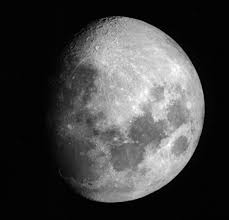
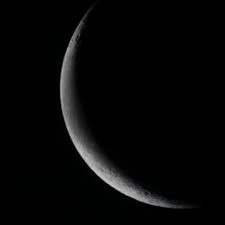
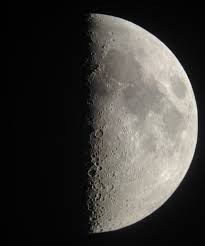
Name the moon phase
a)
waning crescent
b)
waxing crescent
c)
waning gibbous
d)
waxing gibbous
12.
Name the moon phase
a)
waning crescent
b)
waxing crescent
c)
waning gibbous
d)
waxing gibbous
13.
Name the moon phase
a)
waning crescent
b)
waxing crescent
c)
waning gibbous
d)
waxing gibbous
14.
Name the moon phase
a)
waning crescent
b)
waxing crescent
c)
waning gibbous
d)
waxing gibbous
15.
Name the moon phase
a)
waning crescent
b)
waxing crescent
c)
waning gibbous
d)
waxing gibbous
16.
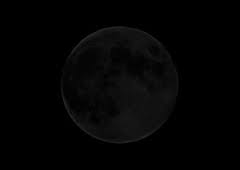
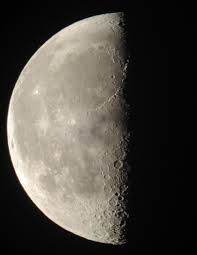
Name the moon phase
a)
First Quarter
b)
Last Quarter
c)
New Moon
d)
Full Moon
17.
Name the moon phase
a)
First Quarter
b)
Last Quarter
c)
New Moon
d)
Full Moon
18.
Name the moon phase
a)
First Quarter
b)
Last Quarter or (third quarter)
c)
New Moon
d)
Full Moon
19.
Name the moon phase
a)
First Quarter
b)
Last Quarter
c)
New Moon
d)
Full Moon
20.
How much of the moon is always lit?
a)
can't tell
b)
always changes
c)
half
d)
3/4
21.
Name the moon phase that would come AFTER this moon.
a)
waning crescent
b)
waxing crescent
c)
waning gibbous
d)
waxing gibbous
22.
What moon phase came right BEFORE this one?
a)
First Quarter
b)
Last Quarter
c)
New Moon
d)
Full Moon
23.
What is the difference between a gibbous moon and a crescent moon?
a)
The gibbous shows more than half of the bright side of the moon.
b)
The crescent shows more than half of the bright side of the moon.
c)
The gibbous shows less than half of the bright side of the moon. 
24.
How many phases does the moon go through?
a)
4
b)
8
c)
10
d)
16
25.
As the moon's shape appears to get smaller, we say that the moon is _.
a)
swelling
b)
waxing
c)
waning
d)
disappearing
26.
Phases of the moon in which the moon appears to be getting larger are referred to as _.
a)
waxing
b)
waning
c)
new
d)
eclipse
27.
The cycle of the moon lasts about a _.
a)
day
b)
year
c)
week
d)
month
28.
Name the moon phase that would come AFTER this moon.
a)
waning crescent
b)
waxing crescent
c)
waning gibbous
d)
waxing gibbous
29.
The moon ____________ around the Earth.
a)
revoloves
b)
rotates
c)
up
d)
down
30.
The moon ____________ around the Earth.
a)
revoloves
b)
rotates
c)
up
d)
down
31.

Which of these best compares the conditions at Location X and Location Y?

a)

The moon is brighter when viewed from Location X than when viewed from Location Y

b)

There are more hours of daylight at Location X than at Location Y.

c)

It is winter at Location X and summer at Location Y

d)

It is day at Location X and night at Location Y

32.

In which position is it winter in North America?

a)

Position 1, because North America receives the most direct sun

b)

Position 2, because North America is tilted toward the sun

c)

Position 3, because North America is parallel to the sun

d)

Position 4, because North America is tilted away from the sun

33.

Which model shows the positions of the sun, the moon, and Earth that have the greatest effect on ocean tides?

a)

A

b)

B

c)

C

d)

D

34.
As the moon's shape appears to get smaller, we say that the moon is _.
a)
swelling
b)
waxing
c)
waning
d)
disappearing
35.
About how long does it take the moon to make one complete cycle around the earth?
a)
65 days
b)
8 days
c)
365 days
d)
28 days
36.
Which moon phase is when you can't see the moon at all?
a)
Waning crescent
b)
Full moon
c)
Waxing gibbous
d)
New moon
37.
Waxing means...
a)
Growing
b)
Dying
c)
Losing light
d)
Moving
38.
ROTATE vs REVOLVE
What causes the seasons? 
a)
The Earth spinning or rotating
b)
The Earth revolving around the Sun on its tilted axis.
39.

During the moon phase shown in the image Earth will experience a -

a)

Spring Tide

b)

Neap Tide

40.

During the moon phase shown in the image Earth will experience a -

a)

Spring Tide

b)

Neap Tide

41.

During the moon phase shown in the image Earth will experience a -

a)

Spring Tide

b)

Neap Tide

42.

During the moon phase shown in the image Earth will experience a -

a)

Spring Tide

b)

Neap Tide

43.
The hemisphere where you live 
a)
equator
b)
southern
c)
northern
d)
eastern
44.

Which diagram shows the objects arranged so that a new moon would be visible from Earth? G

a)

F

b)

G

c)

H

d)

J

45.

Which of the following diagrams best represents a Spring tide?

a)

Picture 1

b)

Picture 2

c)

Picture 3

d)

Picture

46.

The graph illustrates the amount of moonlight measured

over a period of time. What moon phase is occurring at point B on the graph?

a)

Waning crescent

b)

First quarter moon

c)

Waxing crescent

d)

Third quarter