wayground logo

Free Printable Worksheets

NEW

Font size

S
M
L
XL
Worksheets

YBTC Stuff you def need to know part deux

Total questions: 40

Worksheet time: 17mins
Name
Class
Date
1.
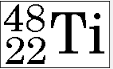
How many protons does this isotope of titanium have?
a)
48
b)
22
c)
26
d)
70
2.
which explanation of this notation is correct?
a)
 12 is proton #
b)
6 tells you there are 6 neutrons
c)
6 tells you there are 6 protons
d)
12 is not a mass # here
3.
Isotopes have different numbers of
a)
protons
b)
neutrons
c)
electron
d)
properties
4.
The atomic number of an element that has 9 protons, 9 electrons, and 10 neutrons is _____.
a)
9
b)
10
c)
19
d)
28
5.
How many neutrons does a Sodium 24 isotope have?
a)
12
b)
13
c)
14
d)
15
6.
Which one of these is a chemical property?
a)
melting point
b)
boiling point
c)
color
d)
flammability
7.
Which of the following is not a chemical property? 
a)
rusting 
b)
boiling 
c)
rotting 
d)
burning 
8.
Which of the following is a chemical property of water?
a)
Reacts with pure sodium
b)
Boils at 100 oC
c)
Is liquid at room temperature
d)
Has a density of 1 gm/mL
9.
Which of these is a result of a chemical change?
a)
A mixture
b)
A solution
c)
A new substance
d)
Melting or freezing
10.
Lighter gases have a ________________ rate of effusion.
a)
faster 
b)
slower
c)
rate of effusion does not depend on mass.
11.

The unit of measure for pressure is the

a)

gram

b)

pascal

c)

newton

d)

pounds

12.
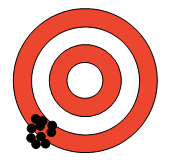
This bullseye demonstrates...
a)
High Accuracy & High Precision
b)
High Accuracy & Low Precision
c)
Low Accuracy & High Precision
d)
Low Accuracy & Low Precision
13.
It is a measure of how close measurements come to each other when they are made in the same way
a)
Accuracy
b)
Precision
c)
Error
d)
Extrapolation
14.
Ms. S set up an experiment to see how the mass of a ball affects the distance it rolls off a ramp. What is the dependent variable?
a)
Distance traveled by the ball
b)
Height of the ramp
c)
Mass of the ball
d)
Where the experiment took place.
15.
 In a controlled experiment, the variable that is changed to test the hypothesis is called the –
a)
Controlled Variable
b)
Responsive Variable
c)
Dependent Variable
d)
Independent Variable
16.
What is a substance that is dissolved in another substance? 
a)
solution
b)
solute
c)
solvent
d)
compound
17.
Combination of two or more pure substances that are not chemically combined
a)
compound          
b)
atom
c)
mixture 
d)
element
18.
This diagram represents a _____.
a)
pure substance that is a compound
b)
mixture of elements
c)
pure substance that is an element
d)
mixture of compounds
19.
This is made up of one or more of the SAME kind of atom
a)
Element
b)
Mixture
c)
Compound
d)
Matter
20.

The mass per unit volume of a material is its _____________.

a)

Density

b)

Elasticity

c)

Hardness

d)

Strength

21.

A solid having randomly arranged atoms or molecules is called __________________.

a)

Amorphous

b)

Ductility

c)

Crystalline

d)

Strength

22.
Filtration can be used to separate...
a)
an insoluble solid from a solution
b)
a soluble solid from a solution
c)
a dissolved solid from a solution
23.

What is a cation's charge?

a)

positive

b)

negative

c)

neutral

d)

depends on the element

24.

What is an anion's charge?

a)

positive

b)

negative

c)

neutral

d)

depends on the element's charge

25.
If an atom of oxygen has a charge of -2, how many electrons does the atom have?
a)
18
b)
6
c)
8
d)
10
26.
What are oxidation numbers?
a)
Number of electrons in the outer most energy level
b)
Number of protons
c)
Electrons gained or lost in chemical bonding
d)
Number of neutrons gained or lost
27.
How would you write 564,000,000 in scientific notation?
a)
5.64 x 10⁻⁷
b)
5.64 x 10⁶
c)
5.64 x 10⁸
d)
56.4 x 10⁷
28.
How would you write 0.0005 in scientific notation?
a)
50 x 105
b)
5 x 10⁻⁴
c)
5 x 10³
d)
.5 x 10-3
29.

Identify the extrinsic property listed below.

a)

length

b)

taste

c)

density

d)

boiling point

30.
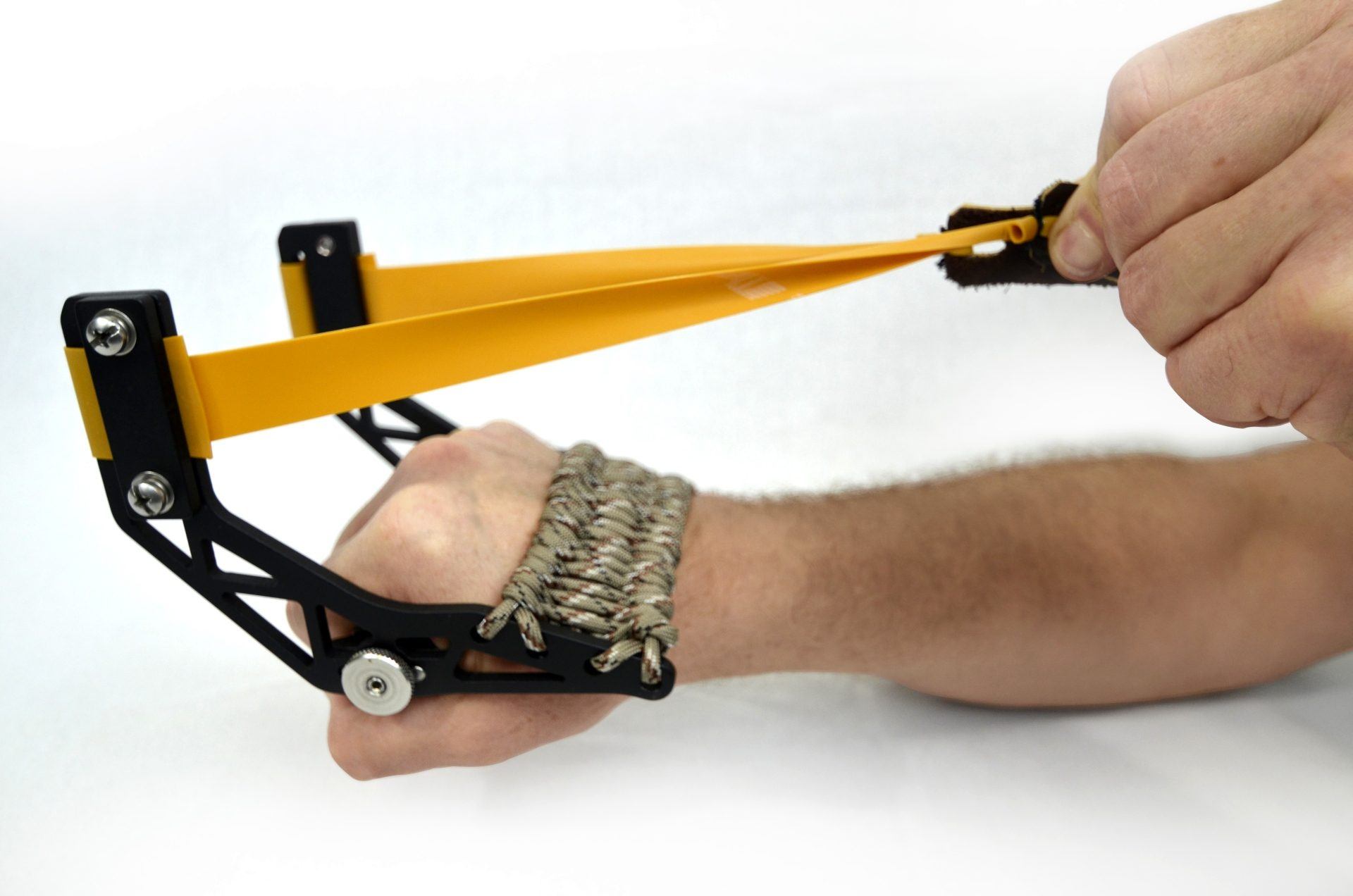
What type of energy is in this picture?
a)
Kinetic
b)
Potential
c)
Chemical
d)
Sound
31.
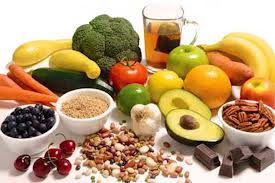
What kind of energy is represented in the picture?
a)
Thermal
b)
Chemical
c)
Sound
d)
Nuclear
32.

What are different forms of the same element in the same physical state of matter?

a)

Isotopes

b)

Ions

c)

Elements

d)

Allotropes

e)

Allons

33.

An emulsion consists of liquids spread throughout other liquids. An example of an emulsion is

a)

Mayonnaise

b)

Pigmented Plastics

c)

Muddy River Water

d)

Smoke

34.

When small droplets recombine to form bigger ones

a)

Emulsions

b)

Gels

c)

Sols

d)

Coalescence

35.

Which of the following occurs when water is heated?

a)

It dissociates into oxygen and hydrogen B

b)

Its molecules become more attracted to one another

c)

Its molecules form a crystalline structure

d)

Its molecules move at a faster rate

36.

Scientific inquiry usually begins with

a)

a question

b)

an idea

c)

an observation

d)

a theory

37.

The measure of the quantity of material in a substance

a)

volume

b)

distance

c)

mass

d)

density

38.

When temperature decreases, substances becomes more dense. What is an exception to this rule?

a)

air

b)

water

c)

gas

d)

none of the answers

39.

A compound made of two different elements is called a

a)

bicentennial compound

b)

ternary compound

c)

binary compound

d)

quaternary compound

40.

Colloid that consists of gases finely spread throughout solids or liquids (marshmallows, whipped cream)

a)

foams

b)

aerosols

c)

gels

d)

emulsions