
 Worksheets
TIMSS - CHEM 1 - Composition of Matter
Total questions: 20
Worksheet time: 8mins
Name
Class
Date
1.

The particles with no charge in an atom are the _______.
a)
electrons
b)
neutrons
c)
protons
d)
protons and neutrons
2.

The positively charged particles of an atom are the ________.
a)
electrons
b)
protons
c)
neutrons
d)
protons & neutrons
3.

The negatively charged particles of an atom are the ______.
a)
electrons
b)
protons
c)
neutrons
d)
protons & neutrons
4.
The center of an atom that holds protons and neutrons?
a)
model
b)
electron
c)
nucleus
d)
neutron
5.
What is the tiniest particle in the entire universe?
a)
cells
b)
gases
c)
atoms
d)
liquids
6.
What is the term for combining 2 or more DIFFERENT atoms together?
a)
atoms
b)
elements
c)
molecules
d)
compounds
7.
What is the term for combining 2 or more atoms together?
a)
atoms
b)
elements
c)
molecules
d)
compounds
8.

What is the picture displayed?
a)
atom
b)
element
c)
molecule
d)
compound
9.
The chemical symbol for Oxygen is
a)
Ox
b)
Og
c)
O
d)
On
10.
Water compound
a)
NaCl
b)
H2O
c)
Protein
d)
CaCO
11.
What is a homogeneous mixture?
a)
a mixture that is the same throughout.
b)
a mixture that is made up of one type of atom.
c)
a mixture that is made up of one type of compound
d)
a mixture that cannot be separated through physical changes
12.

What does this picture represent?
a)
element
b)
compound
c)
mixture
13.
You are eating a pizza. What type of mixture are you consuming?
a)
homogeneous
b)
heterogeneous
c)
pure substance
d)
The Periodic Table
14.
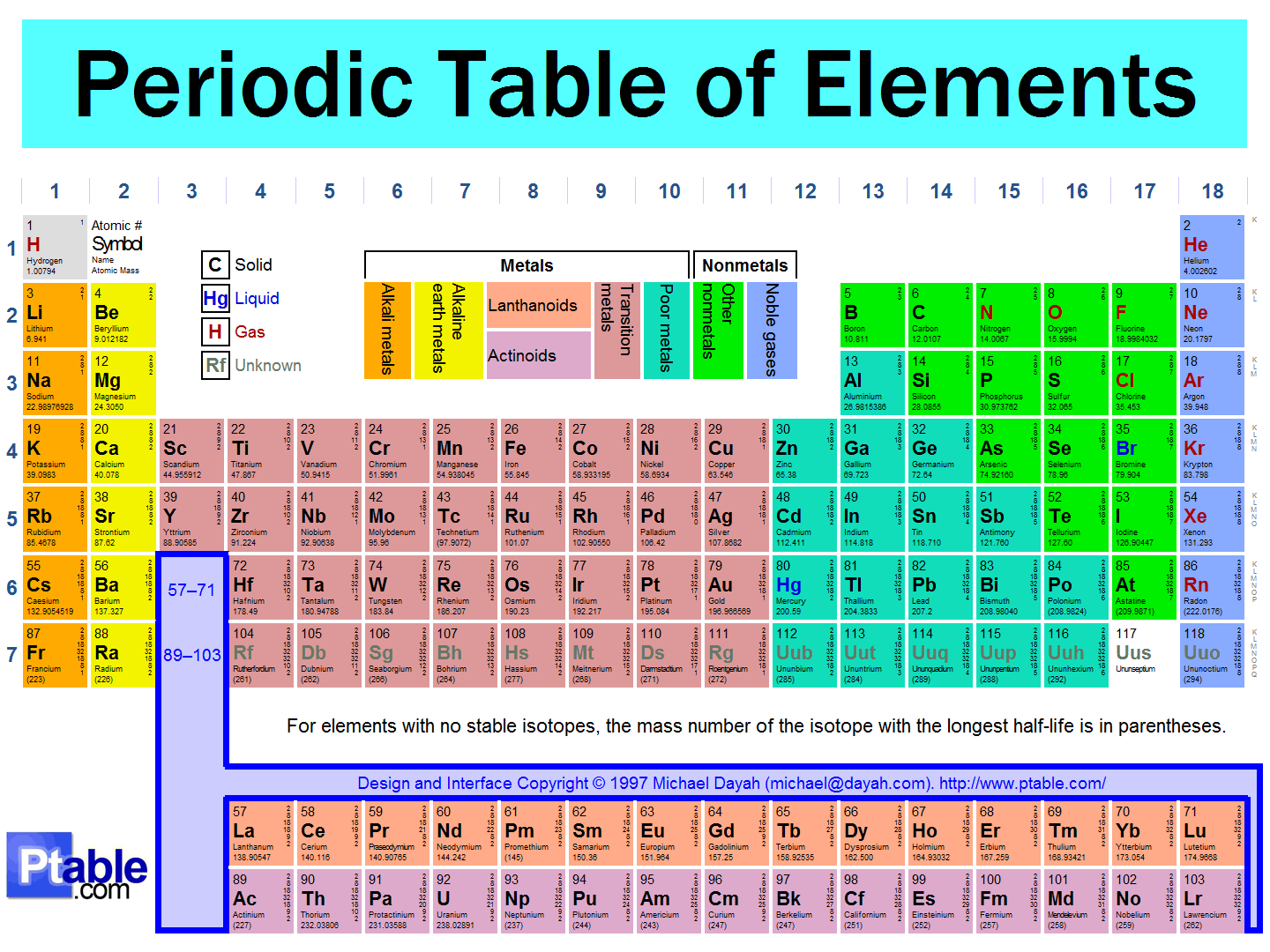
The horizontal row on the periodic table is called a
a)
group
b)
family
c)
period
d)
atomic number
15.
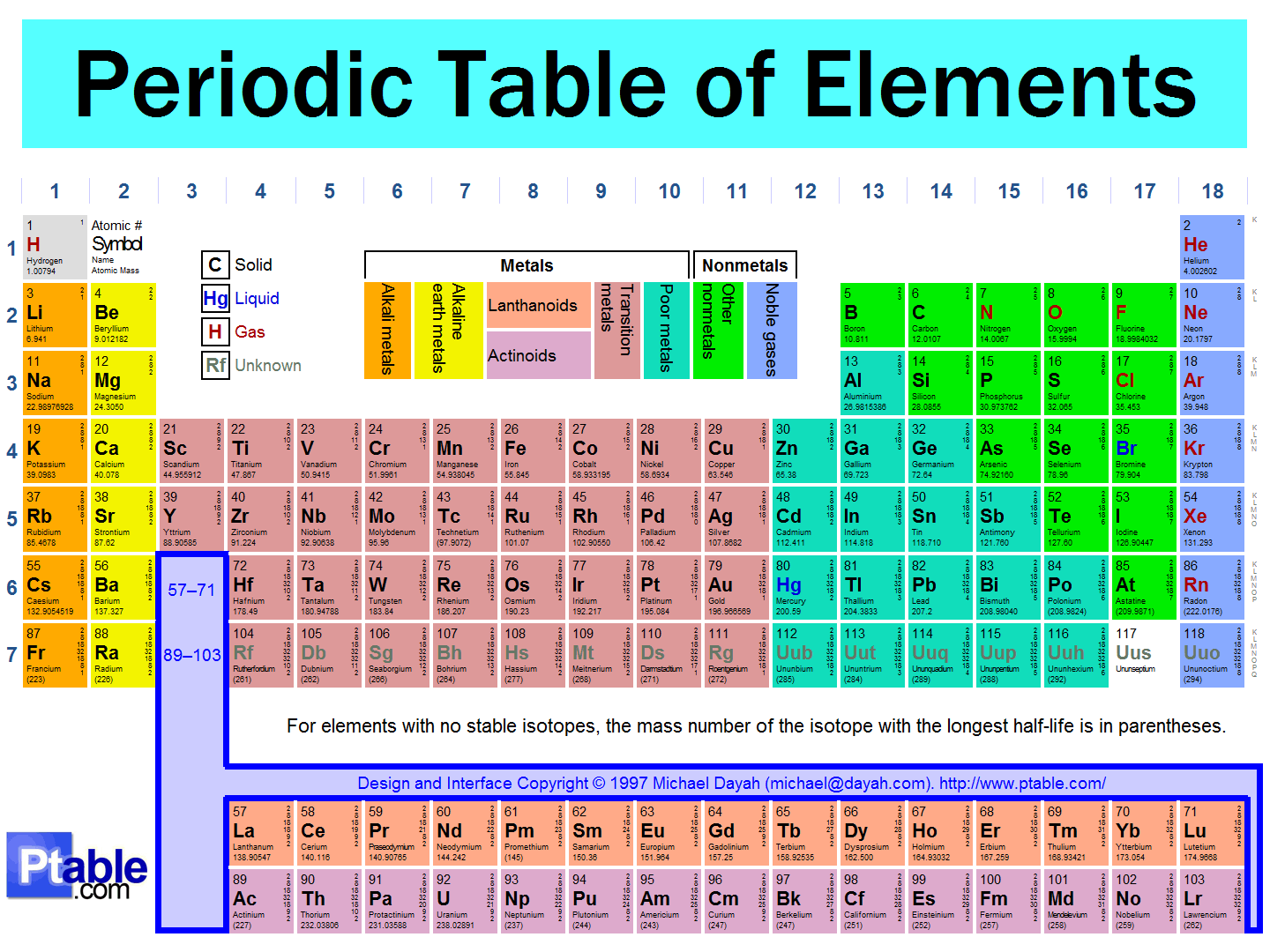
A vertical column is called...
a)
group
b)
tower
c)
period
d)
crew
16.

Most of the elements on the periodic table are classified as _____.
a)
Metals
b)
Nonmetals
c)
Metalloids
d)
Periods
17.
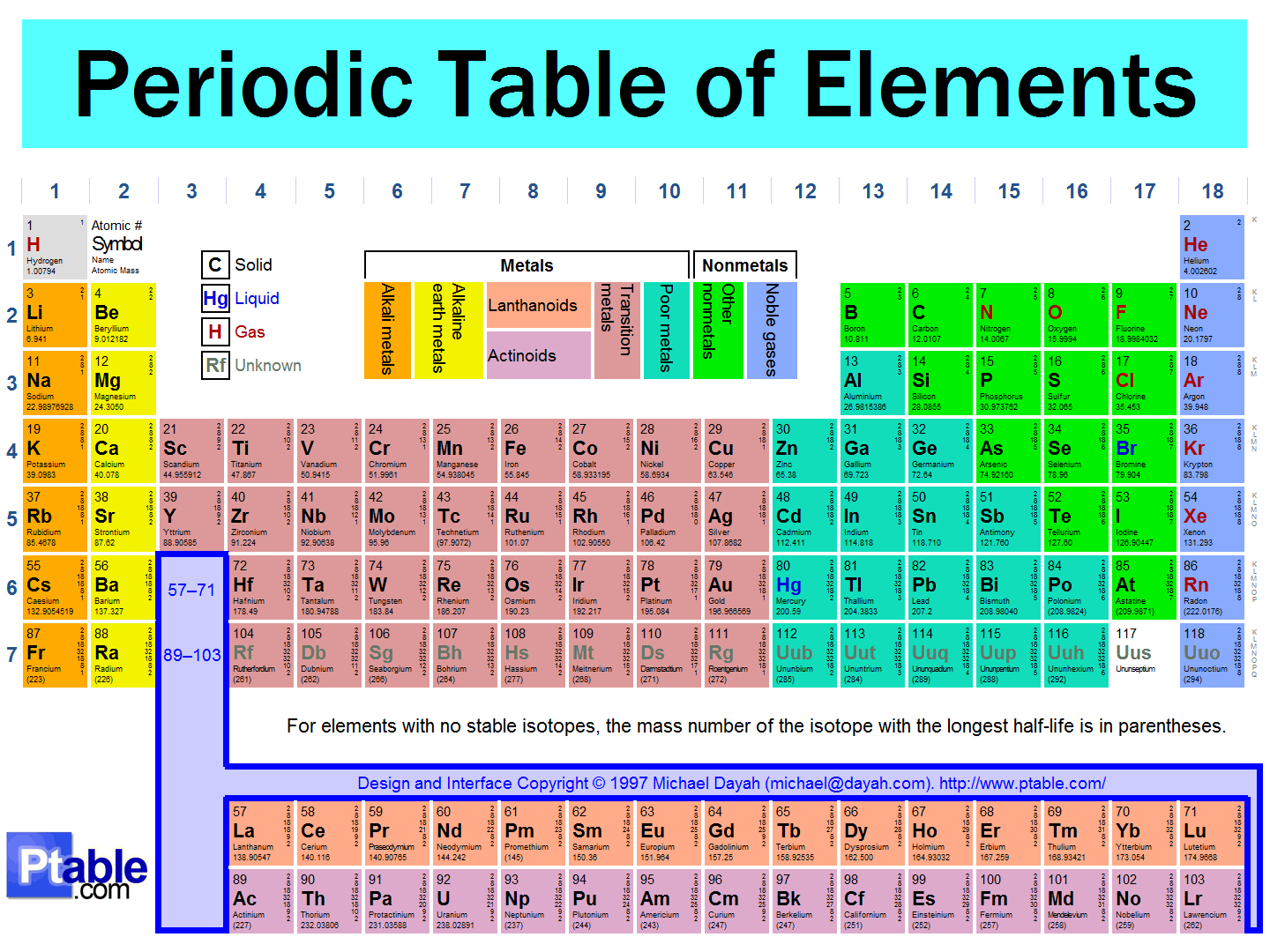
This class of elements are sometimes called "semiconductors."
a)
Metals
b)
Nonmetals
c)
Metalloids
d)
Groups
18.
Why is water NOT on the periodic table?
a)
It is naturally occuring
b)
It is a compound, not an element
c)
It exists as a solid, a liquid, and a gas
d)
Its chemical formula doesn't fit
19.
Atoms with similar properties are most likely located...
a)
in the same period.
b)
in the same group.
c)
in different periods.
d)
to the right and left of each other.
20.
The symbol for each element consists of the first letter (or two) of the element's name.
a)
True
b)
False
100 %

