
NEW
Font size
S
M
L
XL
 Worksheets
Industrial Revolution
Total questions: 22
Worksheet time: 17mins
Name
Class
Date
1.
In which country did the Industrial Revolution begin?
a)
The United States
b)
England
c)
France
d)
Germany
2.
What product was first made using machines in factories?
a)
Steel
b)
textiles
c)
locomotives
d)
flying shuttles
3.
What are identical components that can be used in place of each other?
a)
Interchangeable parts
b)
Factories
c)
Dynamos
d)
Assembly Lines
4.
Which of the following was NOT associated with early factory working conditions?
a)
Low wages
b)
Safe working conditions
c)
Dangerous working conditions
d)
Widespread pollution
5.
A place where people and machines join together to mass produce goods.
a)
Cartel
b)
Corporation
c)
Factory
d)
Urbanization
6.
Interchangeable parts is making different parts of products look ___.
a)
identical
b)
interchange
c)
opposite
d)
cheaper
7.
Mass production led to:
a)
Products being more superior in quality
b)
goods became less expensive
c)
laborers received higher wages
d)
industries moved to rural areas
8.
Before the Industrial Revolution all products were created by
a)
Factories
b)
Hand
c)
Slaves
d)
Royalty
9.
What is the movement from rural to urban areas called?
a)
Moving
b)
colonization
c)
inflation
d)
urbanization
10.
Why did people move to the cities during the Industrial revolution?
a)
Jobs in factories
b)
Jobs on the farm
c)
Family
d)
Friends
11.
This machine allowed factories to be built anywhere, powered by coal.
a)
flying shuttle
b)
steam engine
c)
spinning jenny
d)
cotton gin
13.
Which statement is true?
a)
Children were not allowed to work in the mines during the Industrial Revolution
b)
Work conditions were closely regulated
c)
There were no labor laws that prevented children from working
d)
Children were allowed to work but they were treated fairly.
13.
Which statement is true?
a)
Children were not allowed to work in the mines during the Industrial Revolution
b)
Work conditions were closely regulated
c)
There were no labor laws that prevented children from working
d)
Children were allowed to work but they were treated fairly.
14.
Which 2 natural resources were the backbone of the Industrial Revolution?
a)
wood and peat
b)
oil and natural gas
c)
coal and iron
d)
cotton and tobacco
15.
What is the movement of people from rural to urban areas called?
a)
ruralization
b)
colonization
c)
inflation
d)
urbanization
16.
The Industrial Revolution happening during the _____ and the ____.
a)
1700s, 1800s
b)
1800s, 1900s
c)
1900s, 2000s
d)
1500s, 1600s
17.
Which of the following was NOT associated with early factory working conditions?
a)
Low wages
b)
Widespread pollution
c)
Dangerous working conditions
d)
Safe working conditions
18.
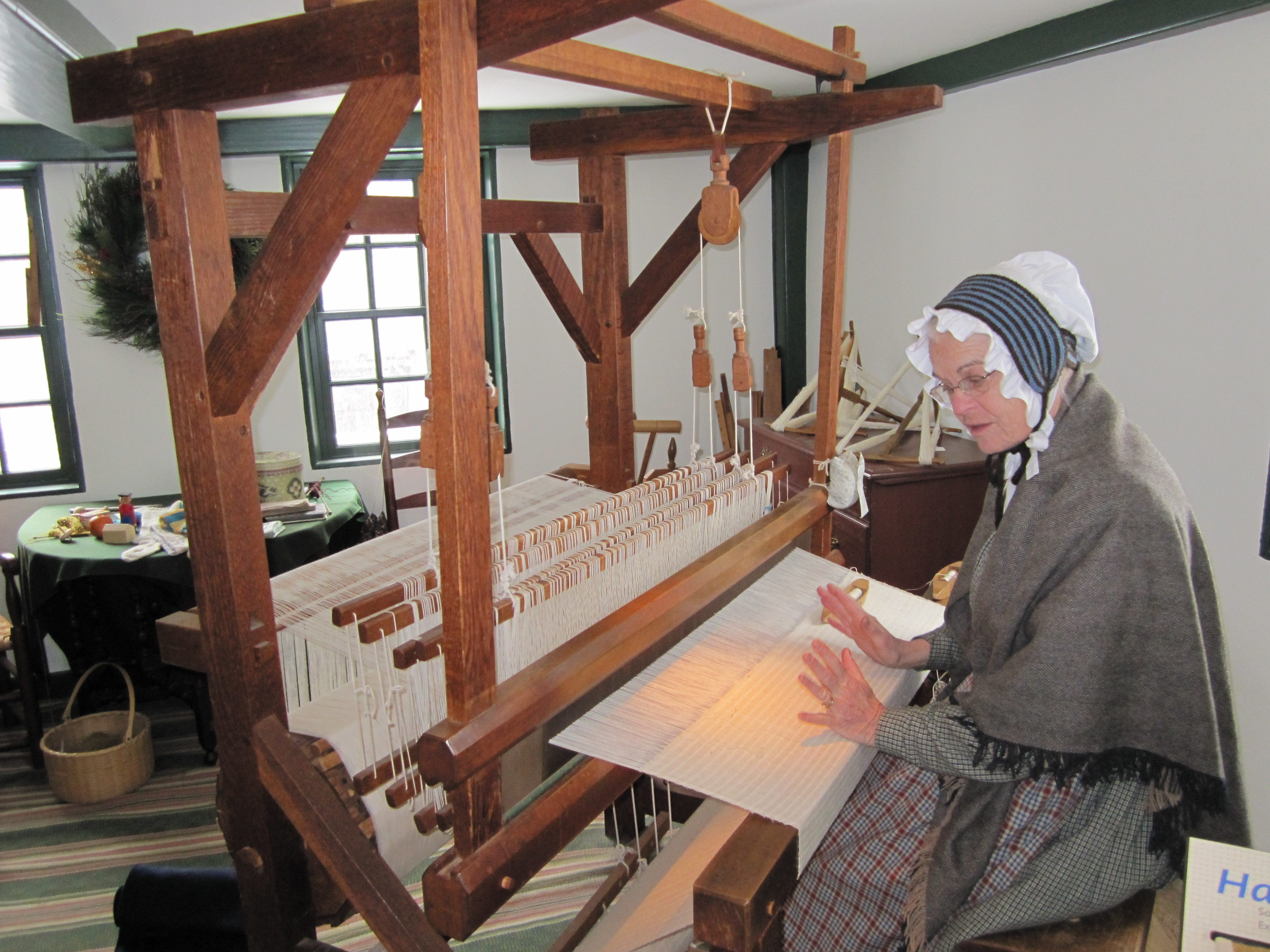
Any fabric that is woven (by machine or hand) is called -
a)
technology
b)
textile
c)
economy
d)
industrialization
19.
A place where people and machines join together to mass produce goods.
a)
School
b)
Corporation
c)
Factory
d)
Urbanization
20.
This machine separated the seed from cotton fibers.
a)
Spinning Mule
b)
Spinning Jenny
c)
Steam Engine
d)
Cotton Gin
21.
How did the Industrial Revolution affect the cities?
a)
Made the crime rate decrease
b)
Led to an increase in farm workers
c)
Make the cities cleaner and safer
d)
Led to an increase in population in the cities
22.

Who invented the cotton gin?
a)
Eli Whitney
b)
Jim Morse
c)
James Watt
d)
the guy that delivers your pizza
Reset

