
 Worksheets
Reflexives
Total questions: 38
Worksheet time: 1hrs 17mins

Raúl (cepillarse) los dientes.
(a)

Nosotros (ponerse) la ropa.
(a)
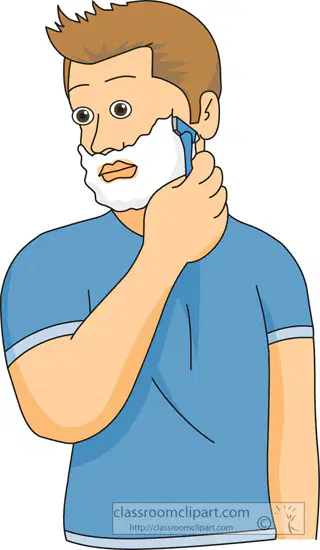
Yo (afeitarse) la cara cada semana.
(a)

Luisa (bañarse) en la tarde.
Don't worry about the accent mark.
(a)
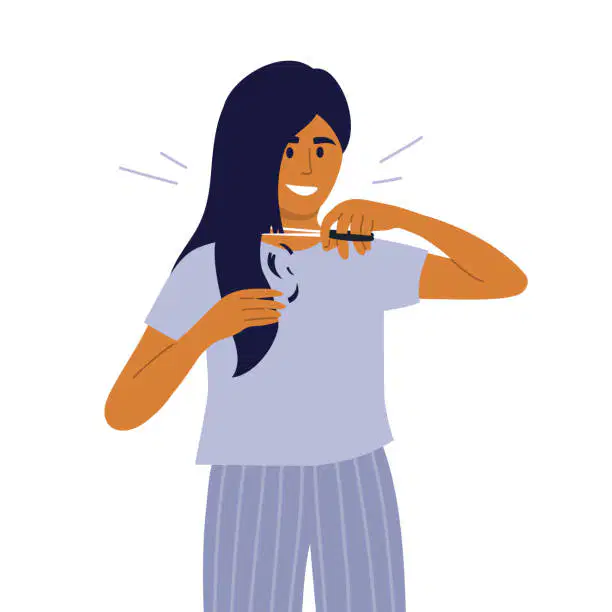
Eva y tú (cortarse) el pelo.
Don't worry about the accent mark.
(a)

Tú (ponerse) la chaqueta.
(a)
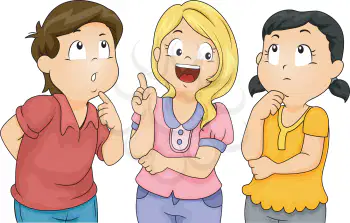
Mila, Sam y yo (acordarse) la informacion.
(a)

Kevin y Kalvin (vestirse) en la misma ropa.
Remember to stem change! e --> i
(a)
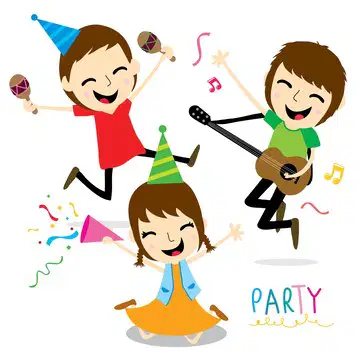
Vosotros (divertirse) en la fiesta.
Don't worry about the accent mark.
(a)

Nathaniel (romperse) el brazo.
(a)

Yo (llamarse) Slim Shady.
(a)
Organize these options into the right categories.
cepillarse
ducharse
afeitarse
bañarse
ponerse
divertirse
sentirse
vestirse
moverse
caerse
romperse
dormirse
What does “stem change” mean?
change some letters in the beginning or middle of a verb
drop the ending and add new one
use a reflexive pronoun in place of the “se”
nosotros and vosotros
Organize these options into the right categories.
Yo me miro en la vanidad.
Ella mira a su hija.
Tú te afeitas la cara.
Nosotros afeitamos el perro.
Ustedes se cortan el pelo.
Vosotros cortáis vuestro pelo.
Match the following reflexive pronouns to their subject pronouns.
yo
me
él, ella, usted, ellos, ellas, ustedes
se
tú
te
nosotros
nos
vosotros
os
Match the following stem changes to their types.
e --> ie
me despierto
no change (nosotros)
nos dormimos
e --> i
se visten
o --> ue
te acuestas
no change (vosotros)
os dormís
Match the following stem changes to their types.
e --> ie
se siente
no change (nosotros)
nos acordamos
e --> i
te vistes
o --> ue
me muevo
no change (vosotros)
os acostáis
Choose the image that illustrates the action you hear.


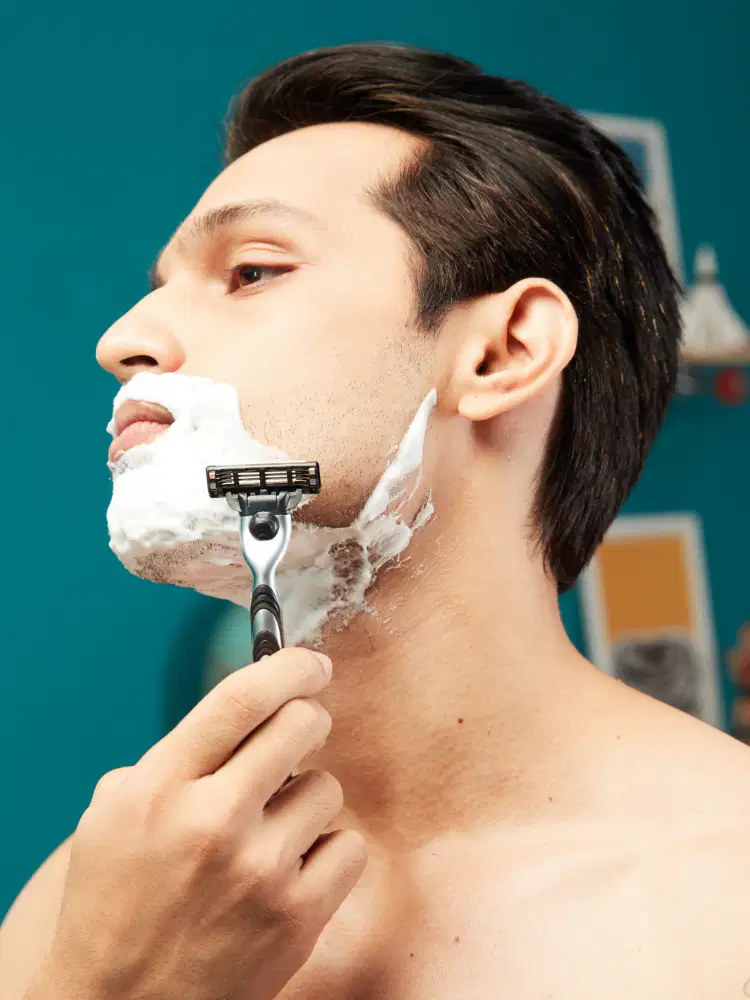

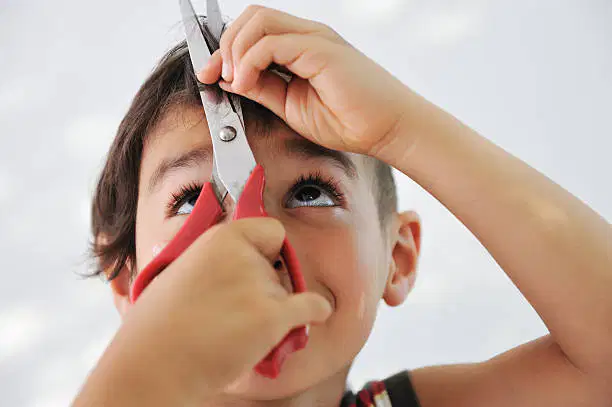
Choose the image that illustrates the action you hear.
Choose the image that illustrates the action you hear.
Choose the image that illustrates the action you hear.
Choose the image that illustrates the action you hear.
Put this into reflexive form: I take a shower
subject + pronoun + conjugation
(a)
Put this into reflexive form: You (informal) brush
subject + pronoun + conjugation
(don't add in the accent mark)
(a)
Put this into reflexive form: We move
subject + pronoun + conjugation
(a)
Put this into reflexive form: You all stretch
subject + pronoun + conjugation
(don't add in the accent mark)
(a)
Put this into reflexive form: She breaks
subject + pronoun + conjugation
(a)
Match the following images to their emotions using "sentirse".

Me siento muy contenta.

Te sientes muy enojado.

Nos sentimos enfermos hoy.
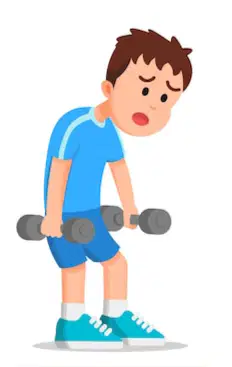
Se siente débil en el gimnasio.
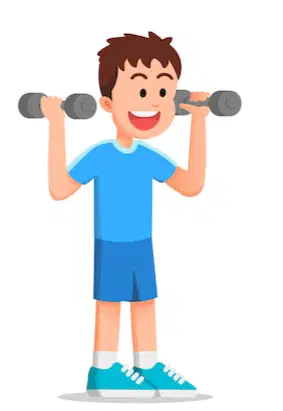
Se sienten fuertes en el gimnasio.
Translate: I feel sad
pronoun + sentirse + emotion
(a)
Translate: They (females) feel ready
pronoun + sentirse + emotion
(a)
Translate: He feels nervous
pronoun + sentirse + emotion
(a)
Translate: You (formal - female) feel tired
pronoun + sentirse + emotion
(a)
Translate: We (males + females) feel motivated
pronoun + sentirse + emotion
(a)
Translate: You all (females) feel confused
pronoun + sentirse + emotion
(don't add in the accent mark)
(a)
Translate: You (informal - male) feel proud
pronoun + sentirse + emotion
(a)
Translate: She feels bored
pronoun + sentirse + emotion
(a)
Translate: They (male + female) feel in love
pronoun + sentirse + emotion
(a)
Organize these emotions into their appropriate categories.
bien = good, mal = bad
contento
enojado
enfermo
emocionado
triste
disgustado
feliz
alegre
fuerte
débil
enérgico

