
 Worksheets
Cell Theory and history
Total questions: 14
Worksheet time: 8mins
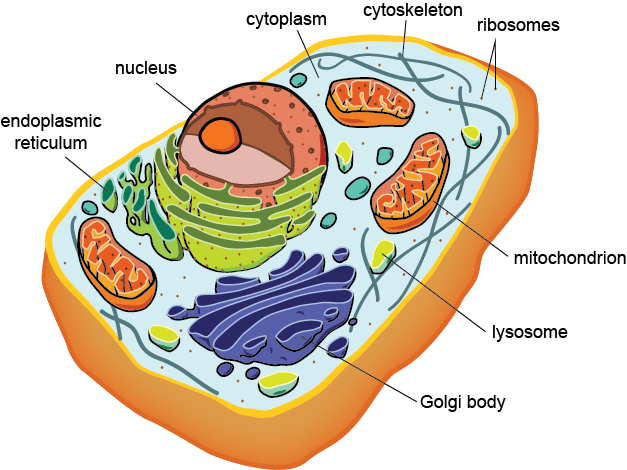

What is a cell theory
An explanation of cells
Carbohydrates
DNA
RNA

Which scientist looked at a piece of cork under the microscope and came up with the term "cells?"
Matthias Schleiden
Anton van Leeuwenhoek
Robert Hooke
Which scientist stated that all plants are made of cells
Hooke
Leewenhoek
Schleiden
Schwann
Who was the first person to see living cells?
Schleiden
Virchow
Schwann
Leewenhoek
Living cells come from ______.
Robert Hooke
the microscope
other living cells
the seller
The cell theory are made from how many parts?
1
2
3
4
Humans are ____________________ organisms.
multicellular
inorganic
unicellular
prokaryotic

All living things are made of cells.
Scientists have observed millions of bacteria, plants and animals and all of them are made of cells.
If it's moving then it's alive
If they reproduce then they are alive
The cell is the smallest unit of life
Molecules and Atoms are smaller but none but they are living
"The cell never acts, it reacts" -Ernest Haeckel
Atoms, molecules and organelles are smaller than cells, but none of them are living.

