
 Worksheets
Africa - History
Total questions: 18
Worksheet time: 15mins
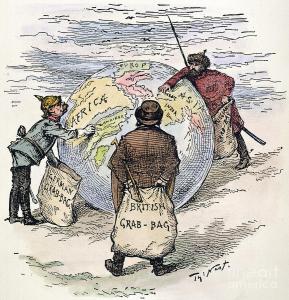
What is Imperialism?
the actions by which one nation is able to control other usually smaller or weaker nations
loyalty and devotion to a nation especially as expressed in a glorifying of one nation above all others
shared or governmental ownership and administration of the means of production and distribution of goods

The purpose of the Berlin Conference was to discuss:
World issues and conflicts
The best trade routes from Germany
America’s independence from Britain
The partitioning of Africa.

Why did Europeans set up colonies in Africa?
They wanted to help organize African schools
They wanted to solve ethnic and tribal disputes
They wanted to send European workers to Africa
They wanted raw materials found in Africa

Which European country took over the most land in Africa?
Great Britain
Germany
France
Italy

(select all that apply)
The European division of Africa caused:
Tribal conflicts
Civil war
Desire for independence
Economic inequality
Long-lasting peace

Which organization was formed to gain equal rights for black Africans in South Africa?
National Party
African National Congress
League of Nations
African Union

What is "loyalty and devotion to a nation especially as expressed in a glorifying of one nation above all others"?
Nationalism
Patriotism
Imperialism
Colonialism

This man was arrested and imprisoned for resisting apartheid. He was also the first black president of South Africa.
Nelson Mandela
F.W. de Klerk
Mohandas Gandhi
Malala Yousafzai

What was "a system of institutionalized racial segregation that existed in South Africa from 1948 until 1994"?
apartheid
Jim Crow laws
Pan-African movement
boycotts

What was the name given to the group of over 20,000 boys who were displaced or orphaned during the Second Sudanese Civil War?
Lost Boys
League of Orphans
Resettlement Union
Kakuma Boys

Apartheid in South Africa resulted mainly from which historical event?
Pan-Africanism
Creation of Israel
British colonization
the Cultural Revolution

What does partitioning mean?
to divide up
to take over
to cause conflict
to teach

What is the newest country in the world?
South Sudan
Kenya
South Africa
Nigeria

The modern day political boundaries, civil wars, and conflicts found in Africa can often be traced back to which of the following event?
European partitioning and colonization
Ancient African trading empires
European cooperation in the late 1800s
Asian invasions in the 1800s
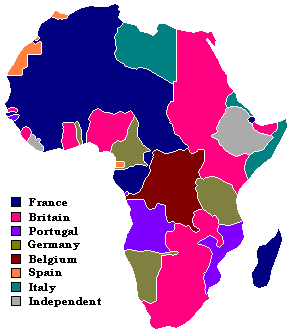

True or False?: European countries failed to consider Differences in ethnic groups, cultures, and political traditions when making artificial political borders in Africa.
True
False

In 1963, Kenya gained independence from:
Great Britain
France
Germany
Belgium

The _________ first established a colony in South Africa in the 1600s. They settled inland and developed their own language called Afrikaans.
Dutch
British
Germans
French

