
Font size
 Worksheets
Cell Structure
Total questions: 25
Worksheet time: 17mins

Check all the organelles found in an animal cell
cell wall
cell membrane
chloroplast
vacuole
lysosome

Check all the organelles found in an plant cell
mitochondria
golgi complex
ribosome
endoplasmic reticulum
lysosome
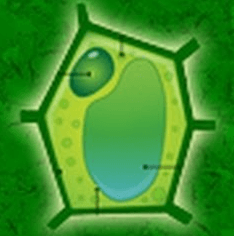
A rigid layer that lies outside the cell's membrane is...
Cytoskeleton
Cilia
Cell Wall
Flagella
What is cell? (choose the best statement)
is the basic unit of animal
the basic unit of plant
is the basic units of all living things
is the basic units of fungis
Every cell has a cell membrane, but some cells are also surrounded by a structure called?
ribosome
cell wall
cell appendages
cytoplasm
The tiny organs in a cell are called ______________
organelles
organ
organism
organization

Directs all cell activities "Brain or Control Center of cell"
Lysosomes
Nucleus
ribosomes
Mitochondria

"Storage tanks" can hold water, food, or waste for the cell
Ribosomes
Vacuole
Chloroplast
Nucleus

Makes proteins for the cell, can be found attached to the endoplasmic reticulum or free in the cytoplasm
Cell Wall
Golgi Body
Ribosome
Cytoplasm

"Gatekeeper" Separates the cell from the rest of the environment and helps control what passes in and out of the cell. Semi-permeable: allows some materials to pass through but not all
Cell Wall
Cytoplasm
Mitochondria
Cell Membrane

In plant cells, I turn light energy into food and I give these cells their color.
mitochondria
vacuole
chloroplast
ribosome


You can only find me in animal cells. I break down unwanted wastes, damaged organelles or foreign invaders, clean place up of bad stuff really well.
lysosome
ribosome
cytoplasm
mitochondria
I am the region between the cell membrane and the nucleus. In this region you will find fluid and all of the organelles.
cytoplasm
endoplasmic reticulum
mitochondria
ribosome

I am very happy packing up materials and delivering them to different parts of the cell or out of the cell.
golgi complex
vacuole
cytoplasm
cell membrane

I can do a little bit of everything: produce (make), process and transport of proteins.
endoplasmic reticulum
cytoplasm
ribosome
lysosome

The purple sphere (ball) shaped organelle in the image
nucleus
golgi complex
ribosome
mitochondria

The (lime) green organelle in the bottom right of the image
lysosome
golgi complex
chloroplast
vacuole



