
 Worksheets
Tundra and Taiga (Coniferous Forest)
Total questions: 9
Worksheet time: 2hrs 15mins
Tundra average temperatures
-110 to 50
0 to 75
-10 to 80
-200 to 0
Producers of the Tundra include:
coniferous pine, shrubs
moss, lichen, dwarf trees, small flowers
deciduous trees, grasses, shrubs
no producers due to cold temperatures
Match soil characteristics of the Tundra:
thawed top layer, acidic from decomposing pine needles
fresh top layer, nutrient rich from snow melt
permafrost in winter, complete thaw for summer, nutrient rich
permafrost year round, even under summer soil, nutrient poor
In the brief summer season in the Tundra, how does the environment change?
pioneer organisms, migratory animals, and freshwater pools
frozen permafrost, no producers or consumers
permafrost melts, large land mammals return to large trees
Land returns to bare rock and primary succession begins
Which map represents Taiga (Coniferous Forest)?
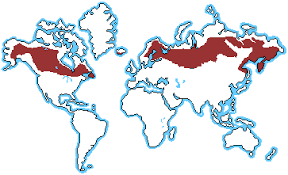
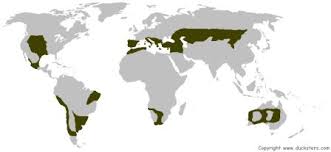
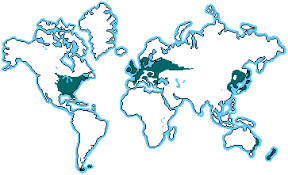
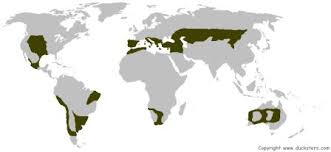
Which climate pattern matches Taiga?
cold snowy winter, cold dry summer
winter year round, no summer
longer cold winter period, mild rainy summer
temperate year roud
Why does Taiga soil harm many producers?
consumers graze the forest floor too quickly
low moisture does not allow growth
soil has no decomposition for nutrients
soil is acidic from decomposing pine needles
How are conifer trees of the Taiga (coniferous forest) different than the deciduous trees of the deciduous forest?
Coniferous trees lose leaves, deciduous trees keep leaves
Deciduous leaves fall, creating acidity in the soil limiting producers
Conifer trees keep needles and cones throughout the year
Coniferous needles fall to the ground, just as deciduous leaves do
Grizzly bear, musk ox, caribou and wolves are found in which biome?
Temperate Deciduous Forest
Tundra
Coniferous Forest
Grassland

