
 Worksheets
Water Cycle and States of Matter
Total questions: 21
Worksheet time: 18mins
Name
Class
Date
1.

What is the water cycle?
a)
the 3 forms of water
b)
the movement of water on, above, or below the surface of the Earth
c)
when water melts
d)
when clouds form
2.
Which of these is an example of precipitation?
a)
snow
b)
air
c)
clouds
d)
vapor
3.

Which best explains why runoff is important?
a)
It returns water to other locations on Earth
b)
It increases the chance of flooding
c)
It makes evaporation occur faster
d)
It increases condensation
4.

Snow, sleet, hail, and rain are all examples of ________________.
a)
evaporation
b)
condensation
c)
accumulation
d)
precipitation
5.
What is it called when water is formed from a liquid to a water vapor?
a)
EVAPORATION
b)
PRECIPITATION
c)
TRANSPIRATION
6.

What comes after evaporation during the water cycle?
How does this occur?
How does this occur?
a)
Water evaporates into water vapor
b)
Water vapor condenses and forms a cloud
c)
Water precipitates to the ground
d)
Water runs down into the hydrosphere
7.

What is it called when plants give off water vapor as a waste product?
a)
condensation
b)
evaporation
c)
sublimation
d)
transpiration
8.
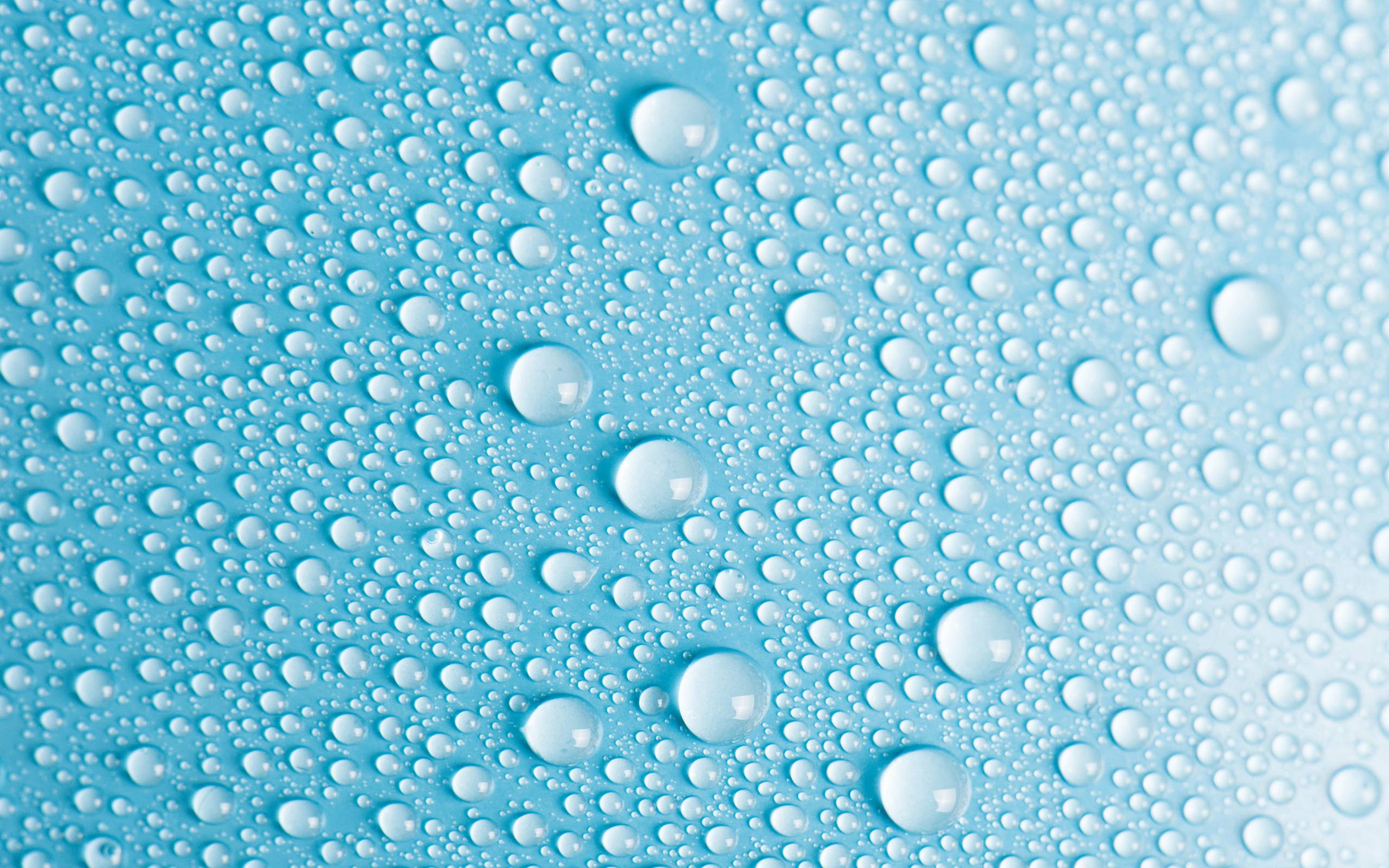
When water _________, dew forms.
a)
Melts
b)
Evaporates
c)
Condenses
d)
Precipitates
9.
How much of Earth's freshwater is available for use?
a)
97%
b)
3%
c)
2%
d)
1%
10.
What is the energy source for the water cycle?
a)
the sun
b)
the earth
c)
water
d)
the moon
11.
How much of our planet's water is saltwater?
a)
75%
b)
1%
c)
99%
d)
97%
12.
How much of our planet is estimated to be covered with water?
a)
68%
b)
50%
c)
97%
d)
75%
13.

This photo shows water molecules in which state of matter?
a)
Gas
b)
Liquid
c)
Solid
14.
What are water's unique properties?
a)
It is what humans drink.
b)
It is everywhere.
c)
It is clear.
d)
It can be all 3 states of matter.
15.
Which of the following describes water molecules in the gaseous state?
a)
Water molecules that are made of hydrogen and oxygen.
b)
Water molecules that are broken apart a little bit and moving slightly.
c)
Water molecules that are moving at an extremely rapid rate.
d)
Water molecules that are not moving at all.
16.
Why do ice cubes float in a glass of water?
a)
the ice cubes are more dense than the water
b)
the water is more dense than the ice cubes
c)
the water is more dense than the glass
d)
the ice is more dense than the glass
17.
What is the density of water?
a)
0 g/ml
b)
1 g/ml
c)
10 g/ml
d)
100 g/ml
18.

Rocks sink because they are
a)
the same density as the water
b)
less dense than the water
c)
more dense than the water
d)
because they're round
19.
Ice melts at what temperature?
a)
100 degrees Celsius
b)
0 degrees Celsius
c)
50 degrees Celsius
d)
100 degrees Fahrenheit
20.
Water boils at what temperature?
a)
100 degrees Celsius
b)
0 degrees Celsius
c)
50 degrees Celsius
d)
100 degrees Fahrenheit
21.

This picture shows a water molecule in _________ form.
a)
Solid
b)
Liquid
c)
Gas
100 %

