
 Worksheets
Respiratory System AS Level
Total questions: 18
Worksheet time: 10mins
What does the Larynx hold?
The larynx holds the whole respiratory system.
The larynx holds the lungs.
The larynx holds the vocal chords.
The larynx hold the cartilage.


Where does gas exchange occur?
in the respiratory bronchioles
in the alveoli
in the terminal bronchioles
in the bronchi
The role of cilia in the respiratory system is to....
sweep the mucus towards mouth.
warm and humidify the air.
trap the particles, dirt, and microorganisms.
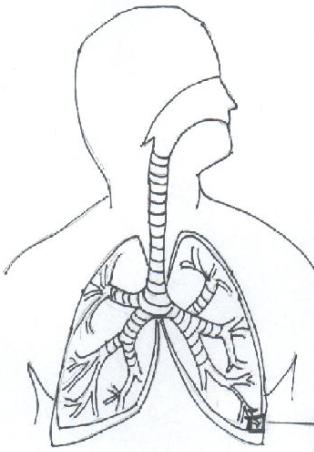
1. larynx
2. nasal cavity
3. pharynx
4. trachea
Which of the following is the correct order that air would flow during inhalation.
Why does oxygen travel through the alveoli to the blood?
There is less oxygen in the alveoli and oxygen is going from highest concentration to lowest
There is less oxygen in the alveoli and oxygen is going from lowest concentration to highest
There is more oxygen in the alveoli and oxygen is travelling from lowest concentration to highest
There is more oxygen in the alveoli and oxygen is going from highest concentration to lowest
Cartilage is found in which structure?
alveolus
broncioles
trachea
capillaries
Which of the following is not a role of elastic fibres in the gas exchange system?
contract to decrease the volume of the alveoli during expiration
recoil to force air out of the alveoli during expiration
stretch to accommodate more air in the alveoli during deep breathing
stretch to increase the surface area of the alveoli for gas exchange
The following structures are found in the walls of the gas exchange system.
1 capillaries
2 cilia
3 elastic fibres
4 goblet cells
5 smooth muscle cells
Which would be found in the lining of an alveolus?
1 and 3
1, 2, 3
2 and 5
4 and 5
Which of the following best describes the process of gas exchange in the lungs?
Air moves in and out of the alveoli during breathing.
Carbon dioxide diffuses from deoxygenated blood in capillaries into the alveolar air.
Oxygen and carbon dioxide diffuse down their concentration gradients between blood and alveolar air.
Oxygen diffuses from alveolar air into deoxygenated blood.
Which structure can produce mucus due to the presence of mucous gland and goblet cells?
trachea and bronchioles
bronchi and bronchioles
trachea and bronchi
trachea, bronchi, and bronchioles
Which structure contains cartilage tissue?
trachea and bronchi
trachea and bronchioles
bronchi and bronchioles
trachea, bronchi, and bronchioles
During asthma attack, the lumen of respiratory tract decrease in diameter.
What causes the constriction of the lumen?
smooth muscles in trachea/bronchi/bronchioles relax
smooth muscles in trachea/bronchi/bronchioles contract
ciliated cells produce too many mucus
goblet cells are swollen to sweep away excessive mucus

