
 Worksheets
Chapter 5: Events leading to the Revolution
Total questions: 31
Worksheet time: 19mins
Who became the commander in chief of the colonist army?
George Washington
Samuel Adams
Benjamin Franklin
Crispus Attucks
a formal agreement among groups or individuals
alliance
delegates
Parliament
Representation
representatives
minutemen
preamble
delegates
resolution
lawmaking branch of the British government
Representation
Boycott
Repeal
Parliament
speaking or acting for a group
blockade
monopoly
representation
treason
guilty of working against your government
revolution
quarter
commander in chief
treason
refuse to buy
boycott
repeal
monopoly
grievance
complete control of a good or service in and area to one person or group
quarter
revolution
monopoly
preamble
sudden, complete change of government
quarter
alliance
revolution
commander in chief
giving food and housing to the soldiers
commander in chief
grievance
quarter
independence
leader of all military forces
General Custer
Commander in Chief
master and commander
admiral
ancient symbol of peace
peace sign
olive branch
yin and yang
broken sword
the freedom to govern themselves
resolution
declaration
independence
first amendment
Created the Albany Plan of Union
Phillis Wheatley
Patrick Henry
Abraham Lincoln
Benjamin Franklin
Chased out tax collectors from the colonies and sometimes put tar and feathers on them.
Daughters of Liberty
Sons of Liberty
minutemen
tea partiers
Helped the boycott by making their own thread and cloth.
sons of liberty
seamstress
daughters of liberty
Mary Poppins
Set up a Committee of Correspondence in Boston and possibly planned the Boston Tea Party.
Adams family
Samuel Adams
John Adams
Samuel L Jackson
A delegate from Massachusetts that suggested George Washington as Commander in Chief.
John Hancock
John Adams
Samuel Adams
John Dickinson

April 19, 1775 is day that will be remembered for the event that signaled the beginning of the Revolutionary War it also had the "shot heard around the world". What event was it?
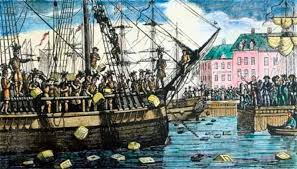
This act required colonists to pay for an official seal whenever they bought paper products.
Townshend Acts
Intolerable Acts
Stamp Act
Quartering Act
This act lowered the tax on molasses in order to stop colonial smuggling.
The Townshend Acts
The Sugar Act
The Coercive Acts
The Proclamation of 1763
This act gave an unfair advantage to a the British East India Company by allowing the British company to not pay tax on tea.
The Tea Act
The Townshend Act
The Coercive Act
The Declaratory Act
These acts placed a tax only on imported goods like paper, glass, tea, and lead.
The Intolerable Acts
The Coercive Acts
The Townshend Acts
Writs of Assistance
These very harsh acts were designed after the Boston Tea Party and included closing Boston Harbor until the colonists paid for the ruined tea.
The Townshend Acts
The Stamp Act
The Sugar Act
The Coercive Acts


