wayground logo

Free Printable Worksheets

Font size

S
M
L
XL
Worksheets

Living things quizizz

Total questions: 42

Worksheet time: 1hrs 24mins

Name
Class
Date
1.
All living things are made of 
a)
skin
b)
muscle
c)
cells
d)
legos
2.
What is an organism whose entire body is only 1 cell known as?
a)
unicellular
b)
multicellular
c)
cell
d)
Homeostasis
3.
What is a thing or event that causes a specific reaction?
a)
response
b)
stimulus
c)
cell
d)
development
4.
Which one of these is NOT one of the characteristics of living things?
a)
All living things get & use energy
b)
All living things respond to the environment
c)
All living things take in water
d)
All living things reproduce asexually
5.
Organisms that cannot make their own food and must obtain energy from external sources are called
a)
autotrophs
b)
heterotrophs
c)
thylakoids
d)
plants
6.
Autotroph or heterotroph?
a)
Autotroph
b)
Heterotroph
7.
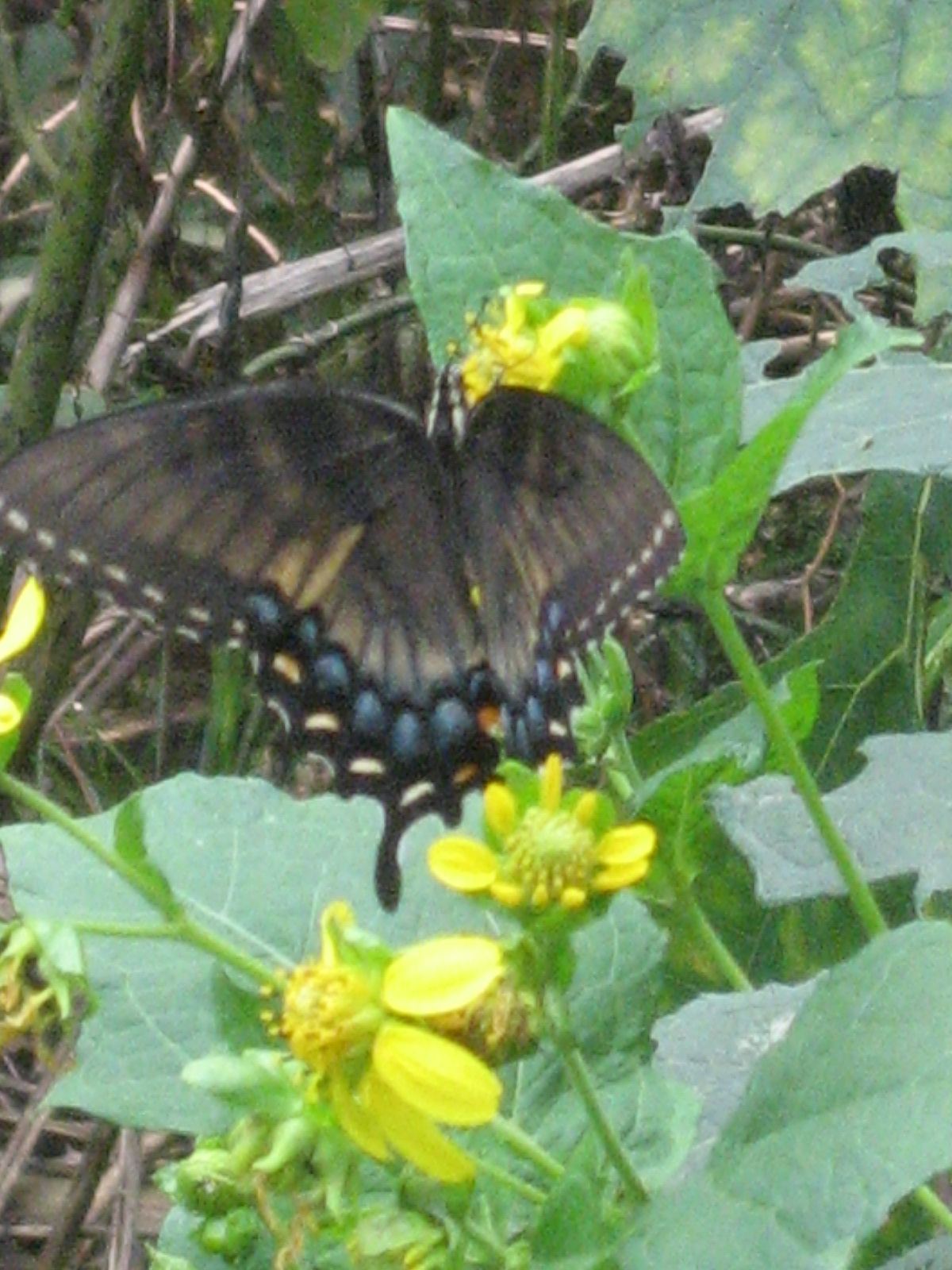
This picture is a good example of
a)
DNA
b)
Development
c)
Reproduction
d)
Movement
8.

A plant grows toward the light (a stimulus). The plant's reaction is an example of

a)

reproduction.

b)

a response.

c)

a stimulus.

d)

development.

9.
An organism that makes their own food, usually through photosynthesis
a)
autotroph
b)
heterotroph
c)
metabolism
d)
multicelluar
10.

If an organism has a baby that is identical to the parent with the same DNA, it is...

a)

Homeostasis

b)

Sexual Reproduction

c)

Asexual Reproduction

d)

None of the above

11.
An example of a unicellular organism is a...
a)
amoeba
b)
human being
c)
plant
d)
insect
12.
A scientific name consists of 
a)
Genus and Order
b)
Genus and Domain
c)
Genus and species
d)
Kingdon and Phylum
13.
The most specific of the classifications is?
a)
class 
b)
order 
c)
genus 
d)
species
14.
Binomial Nomenclature means?   
a)
classification
b)
characteristics
c)
2 name system
15.
Which term means "True Nucleus" or cell(s) with a nucleus?
a)
Eukaryotes
b)
Prokaryotes
c)
Multi-cellular
16.
The 2 kingdoms that make up Prokaryotes are?
a)
Animals and Plants 
b)
Protists and Fungi
c)
Archea and Bacteria
17.

What kingdom's organisms often live in super harsh environments?

a)

archea

b)

animalia

c)

bacteria

d)

protista

18.
Most of the organisms in this kingdom are tiny, but some examples include seaweed that can be 100 ft long. 
a)
Protista 
b)
Plants
c)
Bacteria
d)
Fungi
19.

Mushrooms are an example of this Kingdom?

a)

Plant

b)

Protista

c)

Archea

d)

Fungi

20.
All of the following are characteristics of all living things except....
a)
Have cell(s) 
b)
Need energy and water
c)
Need oxygen 
d)
Reproduce
21.
The scientific name of Humans is? 
a)
Homo Sapiens
b)
Homo Habilus 
c)
Canis Latrans
22.
Kingdom, Phylum, Class, _______
a)
Family 
b)
Order
c)
Genus 
d)
Species
23.
Which of the following organisms are LEAST closely related?
a)
organisms that share a domain
b)
organisms that share a family 
c)
organisms that share a genus 
d)
organisms that share a species 
24.
The 8 levels of classification, most broad to most specific.
a)
Domain, Genus, Family, Order, Class, Phylum, Kingdom, Species
b)
Domain, Species, Kingdom, Genus, Phylum, Family, Class, Order
c)
Domain, Kingdom, Phylum, Class, Order, Family, Genus, Species
d)
Order, Kingdom, Species, Domain, Phylum, Family, Class, Genus
25.
Term given to describe the 2 name naming system is:
a)
dichotmous key
b)
binomial nomenclature
c)
2 scientific names
d)
binomial key
26.

Who first proposed binomial nomenclature as a way of classifying organisms?

a)

Carl Linnaeus

b)

Charles Darwin

c)

Louis Pasteur

d)

Francesco Redi

27.
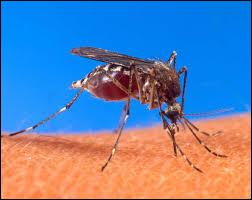
Mosquito  belongs to what kingdom?
a)
Animal Kingdom
b)
Plant Kingdom
c)
Fungi Kingdom
d)
Protista Kingdom
28.
Which organisms are most closely related?
a)
Equus caballas (Horse) & Equus burchellii (Zebra)
b)
Cyanea artica (Jellyfish) &
Ctenodiscus crispatus (Mud Starfish)
c)
Naja naja (cobra) & Glycine max (soya bean)
d)
Ophiocomina nigra (black brittle star) & Brassica nigra (black mustard)
29.
The science of describing, classifying, and naming living things is called:
a)
Geology
b)
Biology
c)
Taxonomy
d)
Chemistry
30.
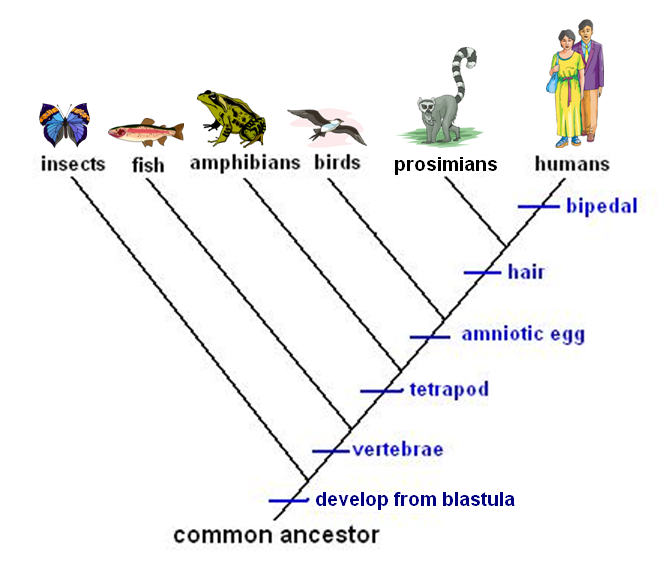
Which organisms pictured on the cladogram have hair?
a)
prosimians only
b)
prosimians and humans
c)
humans only
d)
prosimians and birds
31.
An illustration and a dichotomous key are given. What is the correct classification for this organism?
a)
Class Insecta
b)
Order Amblygygi
c)
Order Araneae
d)
Order Scorpiones
32.

Which 2 organisms would be able to reproduce and produce fertile offspring?

a)

2 organisms in the same class

b)

2 organisms in the same family

c)

2 organisms in the same genus

d)

2 organisms in the same species

33.
When using a dichotomous key to identify organisms, what do we look at?
a)
physical features
b)
weather patterns
c)
environment
d)
diet
34.

What step do we always start with when using dichotomous keys?

a)

1

b)

2

c)

3

d)

depends on the organism

35.
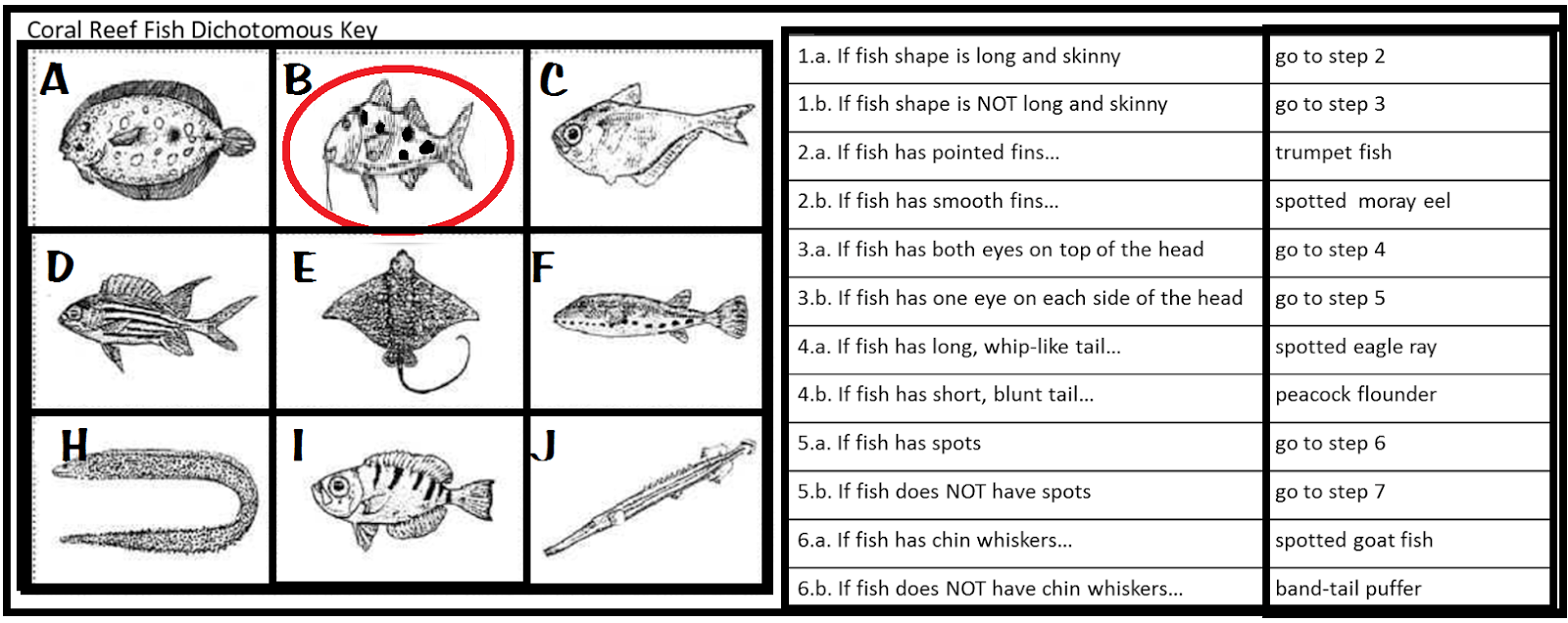
Using this dichotomous key, identity the name of the circled fish.
a)
band-tail puffer
b)
spotted goat fish
c)
peacock flounder
d)
trumpet fish
36.
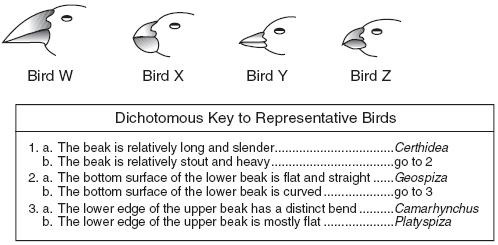
What is the name of bird W?
a)
Certhidea
b)
Geospiza
c)
Camarhynchus
d)
Platyspiza
37.
In convergent evolution, organisms share physical similarities because they 
a)
have a common ancestor
b)
live in the same enviornment
c)
develop homologous structures
d)
are closely related 
38.
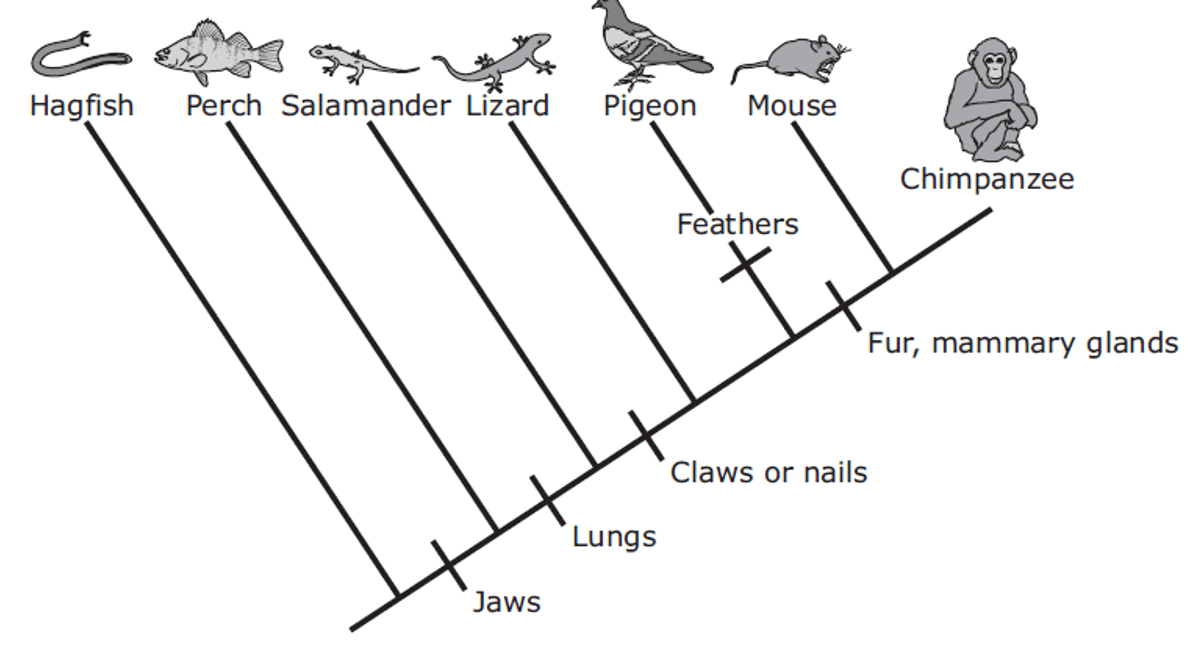
All the animals to the right of the hagfish would have the common characteristic of -
a)
Fur
b)
Claws or nails
c)
Lungs
d)
Jaws
39.
Which domain includes all animals and plants?
a)
Archaea
b)
Eukarya
c)
Bacteria
40.
True or False: All cells have DNA.
a)
True
b)
False
41.

Choose the correct way to write the scientific name for humans:

a)

homo sapiens

b)

Homosapiens

c)

Homo sapiens

d)

Homo Sapiens

42.
What is the genus name here:
Canis lupus
a)
Canis
b)
lupus