
NEW
Font size
 Worksheets
Supreme Court cases
Total questions: 13
Worksheet time: 16mins

Suspects cannot be questioned (interrogated) until they are informed of their rights (right to remain silent, right to an attorney, etc.)
Brown v Board of Education
Miranda v Arizona
Tinker v Des Moines
Bush v Gore
Established the Supreme Courts power of “Judicial Review” to see if laws are Constitutional / Unconstitutional. (Judicial Branch interprets the laws)
Marbury v Madison
Hazelwood v Kuhlmeier
In Re Gault
District of Columbia v Heller
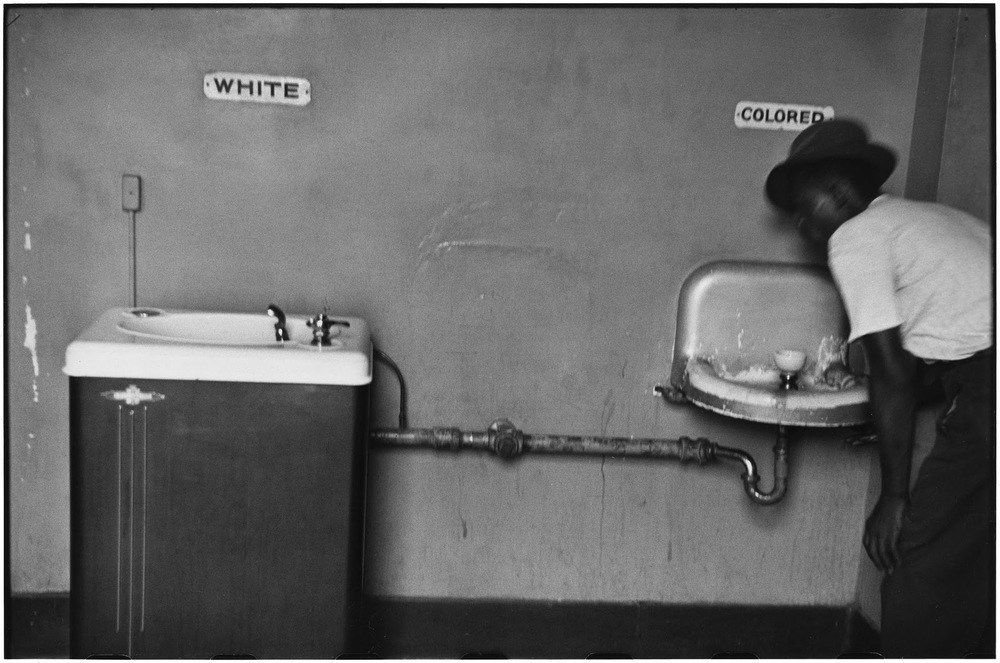
Established “Separate but Equal”, which provided separate public facilities for both whites and blacks as long as they were equal.
District of Columbia v Heller
In Re Gault
Brown v Board of Education
Plessy v Ferguson
A person accused of a crime no matter how poor has the right to an attorney during trial. Enforces the 6th Amendment.
Tinker v Des Moines
Gideon v Wainwright
Miranda v Arizona
United States v Nixon
Ruled that “Separate but Equal” was unconstitutional.
Hazelwood v Kuhlmeier
Marbury v Madison
Plessy v Ferguson
Brown v Board of Education

Juveniles are allowed to have “Due Process” rights. (right to a trial, right to an attorney, right to question witnesses, etc.)
District of Columbia v Heller
Tinker v Des Moines
In Re Gault
Miranda v Arizona

Students have the right to free speech at school as long it doesn’t disrupt school activities. (wearing black armbands in protest)
In Re Gault
District of Columbia v Heller
Hazelwood v Kuhlmeier
Tinker v Des Moines
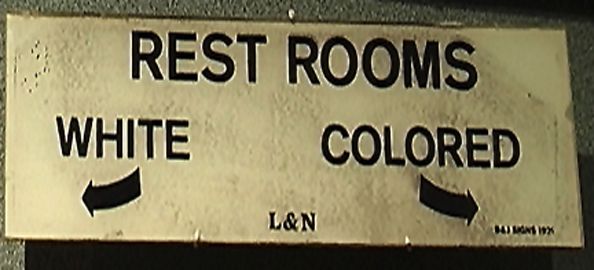
Legal or social separation of races.
Segregation
Lobbying
Boycotting

Allowed for the censorship (blocking) of materials / stories written in school newspapers.
Plessy v Ferguson
Tinker v Des Moines
Marbury v Madison
Hazelwood v Kuhlmeier
Which constitutional principle is applied when police inform suspects of their rights?
due process of law
eminent domain
double jeopardy
trial by jury
What it is called when someone is being forced to testify against oneself?
self-incrimination
reflection
self-process
judicial review
What is the impact of Korematsu v. United States?
must be told your rights
rights are limited, especially at wartime
must be given a lawyer
said separate but equal is okay
This court case established implied powers, by allowing the federal government to establish a national bank.

